Portulaca filifolia (Slender Pigweed): Morphology and Distribution
Endemic to the arid and semi-arid regions of Australia, Portulaca filifolia stands out due to its highly specialized, thread-like foliage. The species frequently colonizes sandy soils and rocky outcrops, displaying remarkable resilience against extreme heat. Botanists often encounter this plant emerging rapidly after seasonal rainfall events.
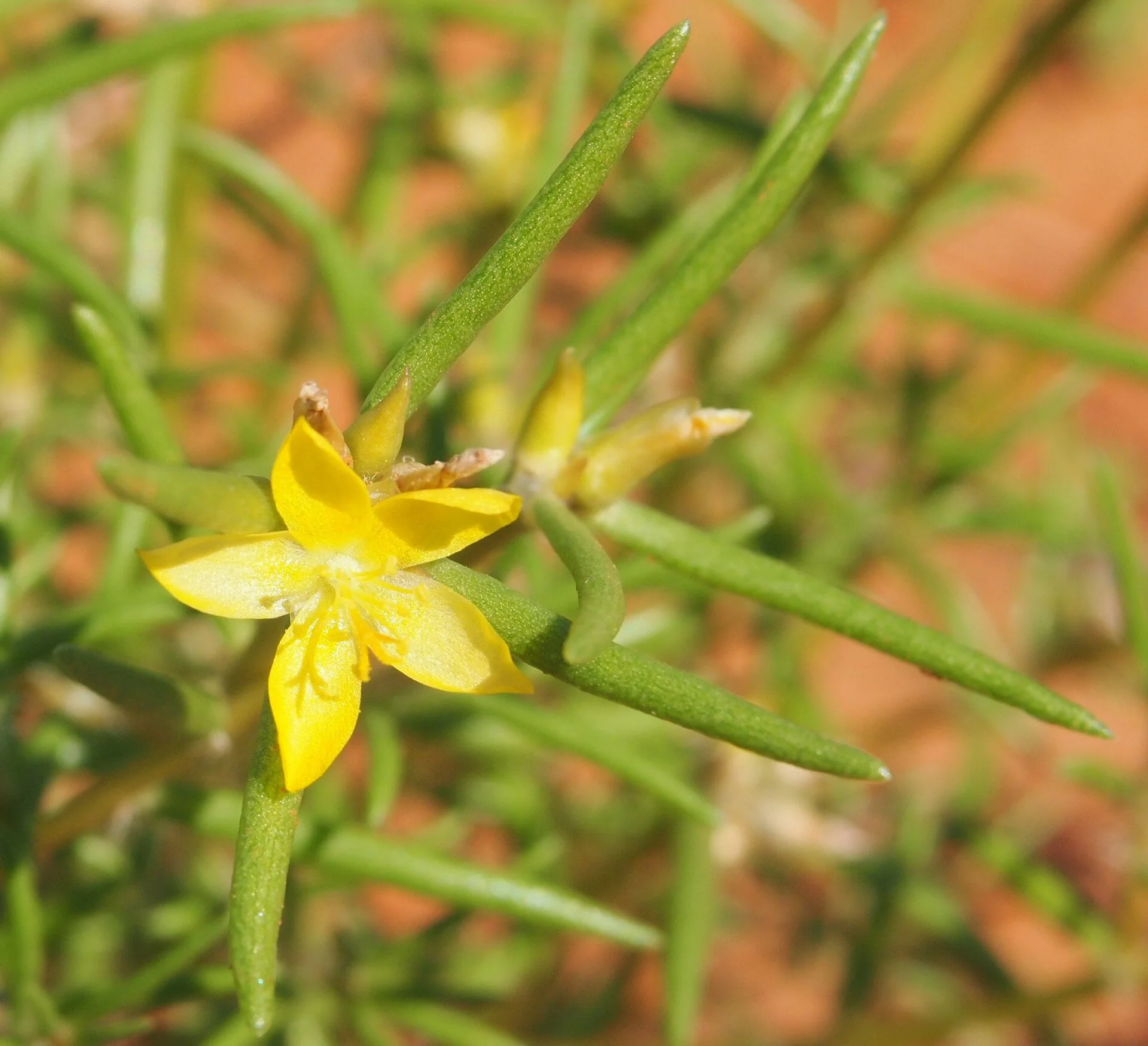
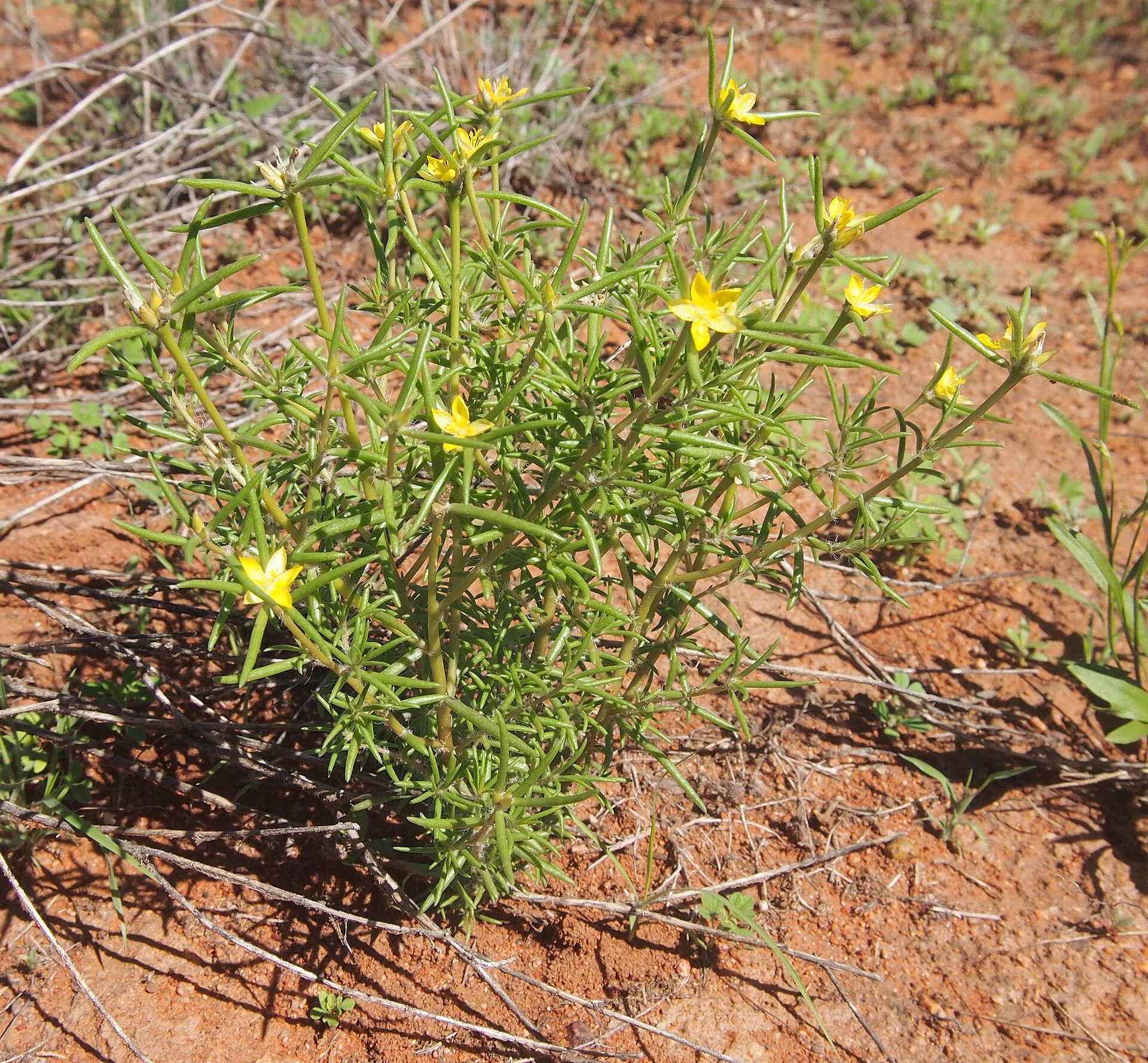
The most distinctive morphological feature of Portulaca filifolia is its long, terete leaves, which are almost entirely linear or filiform. This reduced leaf surface area significantly minimizes transpirational water loss. The stems are fleshy, typically growing upright or sprawling slightly across the arid ground.
Vibrant yellow flowers bloom predominantly during the morning hours, featuring delicate petals that respond to solar intensity. Upon successful pollination, the plant develops circumscissile capsules containing numerous textured seeds.
Flowering season
Summer to early Autumn
Jan
Feb
Mar
Apr
May
Jun
Jul
Aug
Sep
Oct
Name
Dec
Applications
While not heavily utilized in commercial agriculture, indigenous populations and local fauna sometimes interact with native purslanes.
Small desert mammals and birds often consume the seeds for energy.
The plant acts as a pioneer species, stabilizing loose sandy soils in its native habitat.
Interesting facts
The extreme narrowing of the leaves represents a fascinating evolutionary divergence within the Portulaca genus.
The specific epithet filifolia literally translates to "thread-leaved" in Latin.
Its seeds have specialized microscopic surface patterns that assist taxonomists in species identification.