
Mexican Purslane
Portulaca mexicana
Portulaca mexicana is a low-growing succulent plant native to numerous states across Mexico. First described …
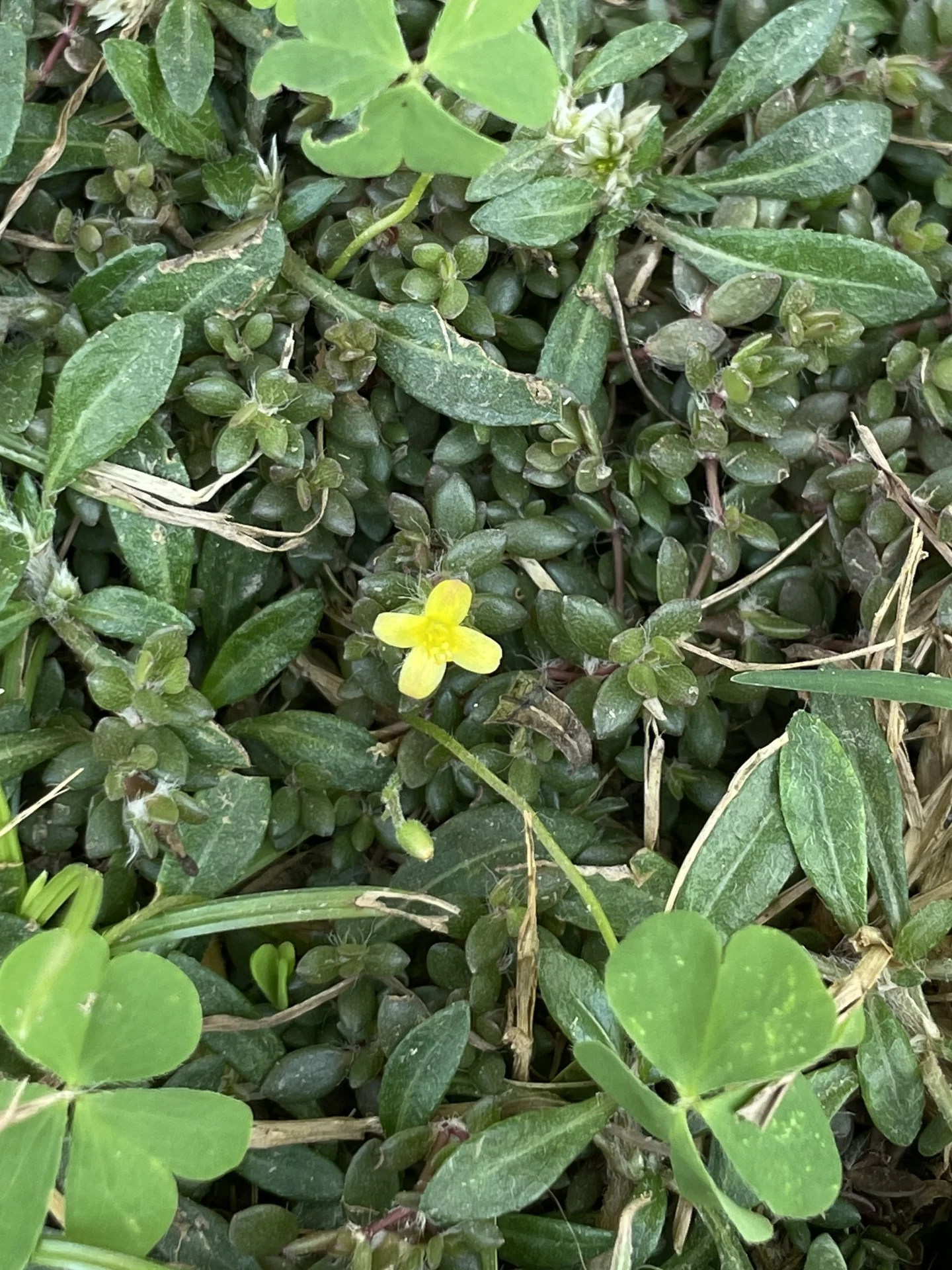
Thriving across the Old World Tropics, Portulaca quadrifida grows as a resilient succulent herb known widely as chickenweed or wild purslane. This creeping annual plant is believed to be native to Africa but has since naturalized in various tropical and subtropical regions globally. It adapts seamlessly to disturbed soils, often appearing in fields, valleys, and sandy areas.
The species belongs to the Portulacaceae family and exhibits remarkable survival traits. Its ability to regenerate rapidly makes it both a valuable foraging resource and a persistent agricultural weed, depending on the ecological context.
The physical structure of Portulaca quadrifida features fleshy, succulent stems that spread out along the ground to form dense mats. Its leaves are typically thick, oval to elongated, and relatively small, measuring approximately 3 to 6 millimeters in length. These specialized leaves store moisture efficiently, serving as a classic adaptation for survival in arid conditions.
During its blooming period, the plant produces solitary, small yellow flowers directly at the branch tips. After successful pollination, it develops a capsular fruit containing seeds. A notable chemical characteristic of the foliage is the presence of potassium oxalate, which imparts a distinct sour flavor to the leaves.
The leaves of Portulaca quadrifida are frequently collected from the wild and utilized in several ways:
In various traditional practices, the herb is also utilized for its purported medicinal properties. It has been historically applied in remedies for respiratory issues like asthma and coughs, as well as for treating urinary ailments and skin ulcers.
One of the most remarkable traits of Portulaca quadrifida is its extraordinary regenerative capacity. Even small fragments of cut stems can quickly develop new roots and grow into mature plants. Combined with seeds that germinate rapidly, this biological advantage makes the plant a highly successful colonizer of new territories.
Portulaca mexicana
Portulaca mexicana is a low-growing succulent plant native to numerous states across Mexico. First described …

Portulaca rubricaulis
An annual succulent herb characterized by distinctive reddish stems and solitary yellow flowers, found across …

Portulaca rotundifolia
An annual succulent plant species of the Portulacaceae family, native to South America.

Portulaca villosa
Portulaca villosa, commonly known as hairy purslane or 'ihi, is a rare, prostrate succulent endemic …