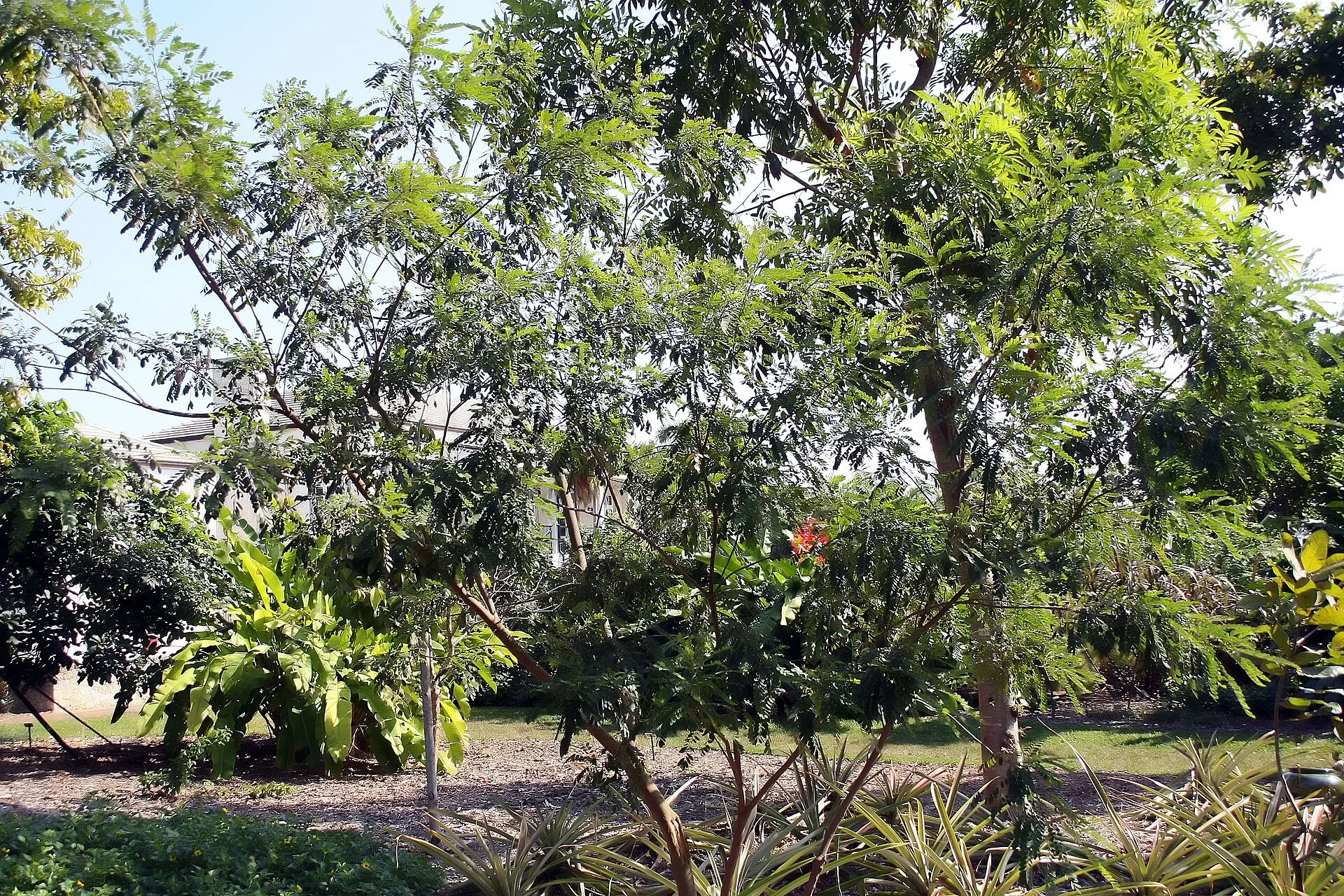
Mexican Alvaradoa (Alvaradoa amorphoides)

Ardillo Tamarindillo Palo de hormiga Pau de formiga

Alvaradoa amorphoides: The Mexican Alvaradoa

Commonly known as the Mexican alvaradoa, Alvaradoa amorphoides is an ecologically versatile shrub or small tree native to Mexico, Central America, and southern Florida. While highly abundant in its Mexican habitats, it is classified as endangered in Florida due to habitat loss.

This species plays a significant role in local ecosystems by providing light shade and stabilizing sandy, calcareous soils. It has a long history of utilization in Mesoamerican traditional medicine, particularly for dermatological conditions.

Taxonomy

  • ∟ царство Plantae
  • ∟ division Tracheophytes
  • ∟ subdivision Spermatophytes (Seed plants)
  • ∟ Angiosperms
  • ∟ mesangiosperms
  • ∟ eudicots
  • ∟ Superrosids
  • ∟ rosids
  • ∟ malvids
  • ∟ family Picramniaceae
  • ∟ genus Alvaradoa (Mexican Wingnut)
  • ∟ species Alvaradoa amorphoides (Mexican Alvaradoa)

Living Pulse

Morphology

This dioecious species reaches heights of 3 to 10 meters and possesses unique morphological features:

  • Leaves: The alternate, pinnate leaves resemble rounded feathers and consist of 20 to 50 small leaflets. Each leaflet is dark green and smooth on top, but pale and hairy underneath.
  • Flowers: Small, yellowish-green flowers are arranged in long, drooping racemes measuring 10 to 25 centimeters. Because the species is dioecious, male and female flowers grow on separate trees.
  • Fruit: The fruit is a distinctive samara with two membranous, hairy wings that enclose a single dark brown seed, facilitating wind dispersal.

Applications

Indigenous communities in Yucatan and Central America have utilized the bark and leaves of this plant for generations:

  • Medicinal Teas: A decoction of the bark is consumed as a digestive tonic and to soothe persistent coughs.
  • Skin Treatments: Topical washes made from the bark and leaves are applied to alleviate dermatitis, scabies, and general itchiness.
  • Ornamental Gardening: In Florida and Mexico, it is grown in native plant gardens as a drought-tolerant hedge or specimen tree that attracts pollinators.

Interesting facts

Recent scientific investigations have uncovered interesting details about its chemistry and ecology:

  • Active Compounds: Chemical studies of the roots have isolated active constituents including chrysophanic acid, chrysophanein, and the triterpenoid chaparrin.
  • Endangered Status: In Florida, the plant is strictly protected as an endangered species, confined to specialized pine rocklands and coastal hammocks.
  • Name Origin: The genus name honors the Spanish administrator Alonso de Alvarado, while the species epithet refers to its resemblance to the genus Amorpha.

Geography of distribution

  • Mexico
  • United States
  • Cayman Islands
  • Guatemala
  • Honduras
  • Nicaragua
  • Belize
  • Bolivia

Natural varieties

Sources

  • Plants of the World Online (POWO)
  • World Flora Online (WFO)
  • Tropicos
  • Global Biodiversity Information Facility (GBIF)

Technical Information

External Databases: GBIF, POWO, Tropicos