Alvaradoa Genus: Botanical Characteristics and Overview
Ranging from Central America and the Caribbean to parts of southern Florida and South America, the genus Alvaradoa comprises a small group of ecological specialists.
These woody plants are typically found in dry deciduous forests, pine rocklands, and scrub habitats. They play a vital role in their native ecosystems by providing shelter and food for local wildlife.
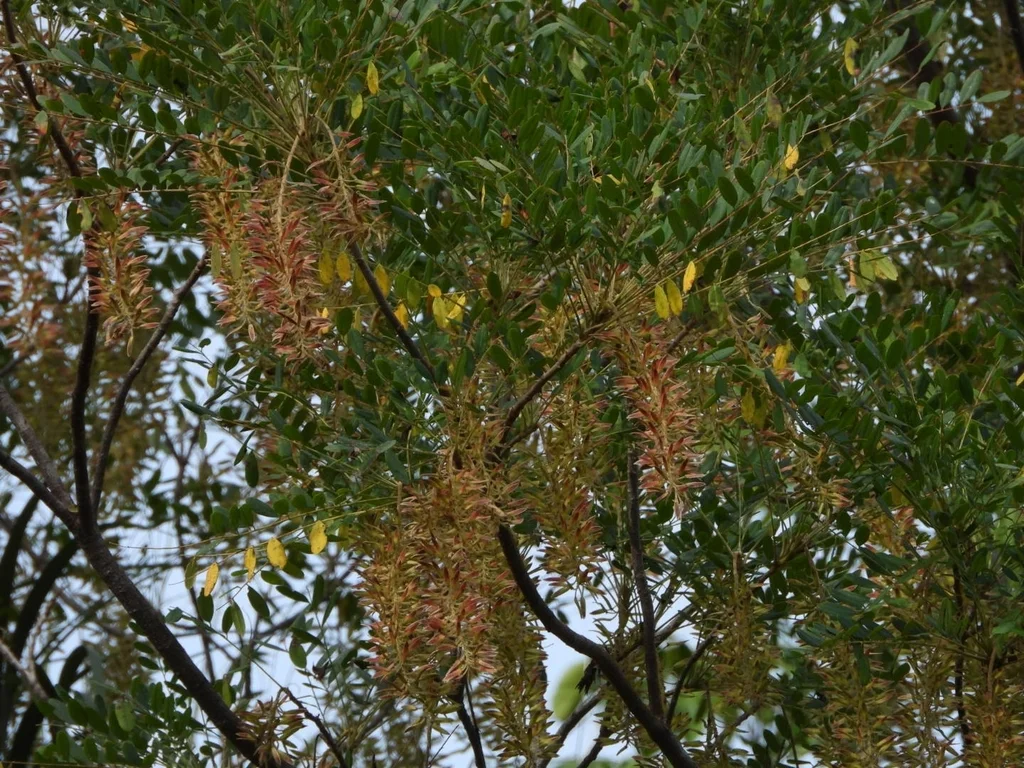
Members of this genus grow as deciduous shrubs or small trees, reaching heights between 1 and 7 meters, though occasionally reaching up to 15 meters. The alternate, pinnately compound leaves consist of 20 to 50 small leaflets that are oblong-elliptic, dark green above, and glaucous-puberulent beneath.
These plants are dioecious, bearing small, unisexual flowers arranged in dense, drooping terminal racemes measuring 10 to 25 centimeters in length. The female flowers develop into distinctive samara-like winged fruits that contain a single dark brown seed, facilitating wind dispersal.
Applications
Local communities in Mexico and Central America have historically utilized bark and leaf decoctions from species like Alvaradoa amorphoides in traditional medicine. These preparations are typically applied to treat skin conditions, alleviate digestive discomfort, and combat infections.
Interesting facts
The scientific name of this genus honors the Spanish conquistador Pedro de Alvarado, who was a prominent figure in the conquest of Central America. Additionally, the unique winged seeds resemble those of maples, allowing them to glide long distances on wind currents.