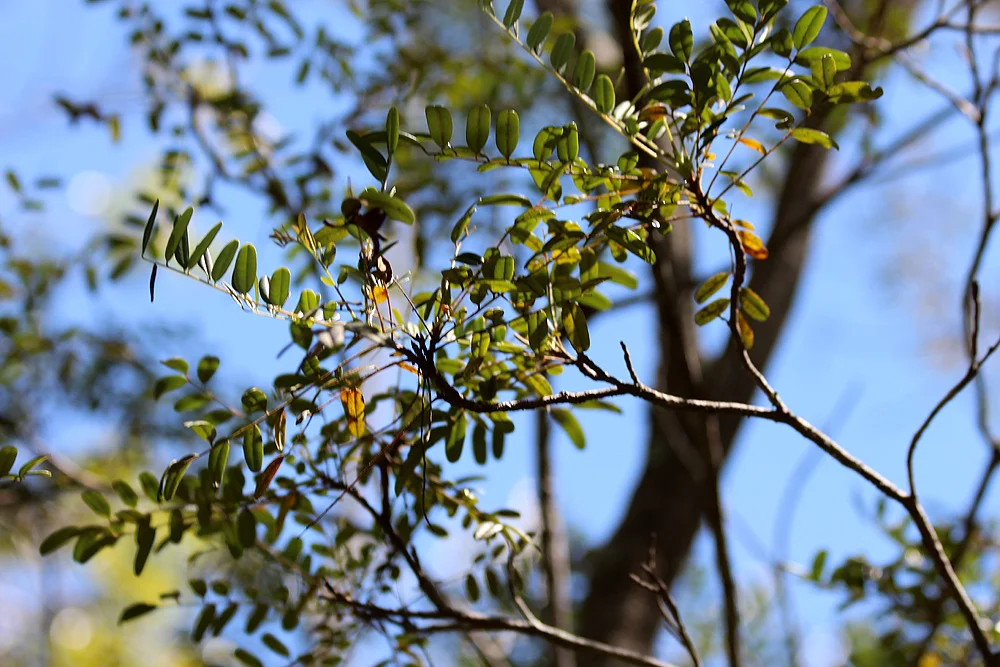
Haitian Alvaradoa (Alvaradoa haitiensis)

#89A0C1
#A8CDF8
#2B2710
#656544
#536378

Alvaradoa haitiensis: Endemic Shrub of Hispaniola

Hailing from the dry, rocky terrains of Hispaniola, Alvaradoa haitiensis is a lesser-known shrub species within the family Picramniaceae. First described by the prominent German botanist Ignatz Urban in 1908, this plant is native to both Haiti and the Dominican Republic.

It thrives in specialized microclimates, particularly limestone-rich areas where it has adapted to withstand periodic droughts. Due to its limited geographic range and specialized habitat, it remains a species of interest for Caribbean biodiversity conservation.

Taxonomy

  • царство Plantae
  • division Tracheophytes
  • subdivision Spermatophytes (Seed plants)
  • Angiosperms
  • mesangiosperms
  • eudicots
  • Superrosids
  • rosids
  • malvids
  • family Picramniaceae
  • genus Alvaradoa (Mexican Wingnut)
  • species Alvaradoa haitiensis (Haitian Alvaradoa)

Living Pulse

Morphology

This deciduous shrub or small tree exhibits several distinct botanical features characteristic of the genus Alvaradoa:

  • Foliage: The leaves are pinnate, bearing multiple small, oblong-elliptic leaflets that form a feathery canopy.
  • Reproduction: It is a dioecious species, meaning individual plants are either male or female, producing tiny unisexual flowers.
  • Inflorescence: The flowers are arranged in slender, drooping racemes that attract local pollinators.
  • Fruit: The resulting fruits are samara-like capsules with membranous wings, aiding in wind dispersal across the rocky landscape.

Interesting facts

Several fascinating aspects define the history and biology of this Caribbean endemic:

  • Ignatz Urban's Legacy: The species was documented during extensive botanical surveys of the West Indies in the early 20th century.
  • Wind Dispersal: Its winged seeds are specialized for catching breezes, allowing it to colonize rocky ledges where soil is scarce.
  • Picramniaceae Placement: Although historically grouped with Simaroubaceae, genetic studies confirmed its placement in the distinct family Picramniaceae.

Geography of distribution

  • Haiti
  • Dominican Republic

Sources

  • Plants of the World Online (POWO)
  • World Flora Online (WFO)
  • Tropicos
  • Global Biodiversity Information Facility (GBIF)

Technical Information

External Databases: GBIF, POWO, Tropicos