
Brazilian hackberry
Celtis brasiliensis
A deciduous tree or scrambling shrub in the Cannabaceae family, native to various countries in …
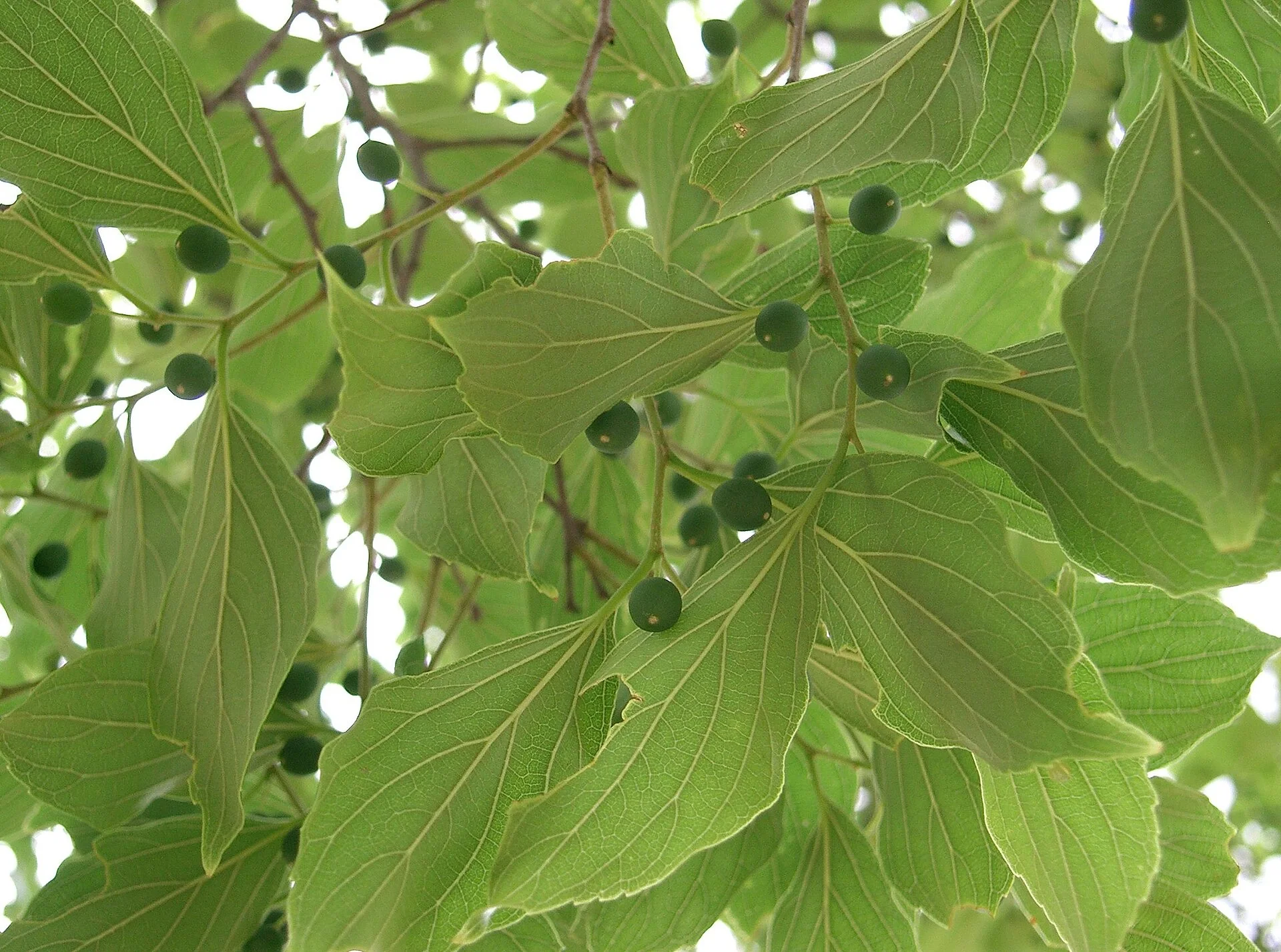
Bearing foliage that often distinguishes it from its relatives, Celtis cordifolia presents a notable botanical profile within the hackberry group. Formally described by the esteemed Japanese botanist Takenoshin Nakai, this plant is firmly classified in the Cannabaceae family. Often referred to simply as a hackberry, it is part of a genus known for its environmental adaptability and ecological importance in various landscapes.
The specific epithet cordifolia suggests a heart-shaped leaf structure, which is a defining morphological characteristic of this species. Like other plants in the Celtis genus, it is a deciduous woody plant. The leaves are typically alternate and may feature serrated edges along with a slightly rough surface.
The plant produces small, inconspicuous flowers that eventually mature into round drupes. These fruits are characteristic of the genus and provide sustenance for various bird species.
Takenoshin Nakai's investigations into Celtis cordifolia mark a substantial contribution to the botanical recognition of the Asian region. Groups of these wild trees demonstrate the strong environmental impact they exert on their natural habitat:
Celtis brasiliensis
A deciduous tree or scrambling shrub in the Cannabaceae family, native to various countries in …

Celtis gomphophylla
A tall tree species in the Cannabaceae family, widespread across sub-Saharan Africa, Madagascar, and the …

Celtis madagascariensis
A small deciduous tree belonging to the Cannabaceae family, endemic to the forest margins of …

Celtis aurantiaca
A deciduous tree species native to Korea, recognized by its large leaves with caudate-acuminate tips …