
Dragon Tail Pothos
Epipremnum pinnatum
Epipremnum pinnatum, commonly known as the dragon-tail plant, is a versatile evergreen climber famous for …
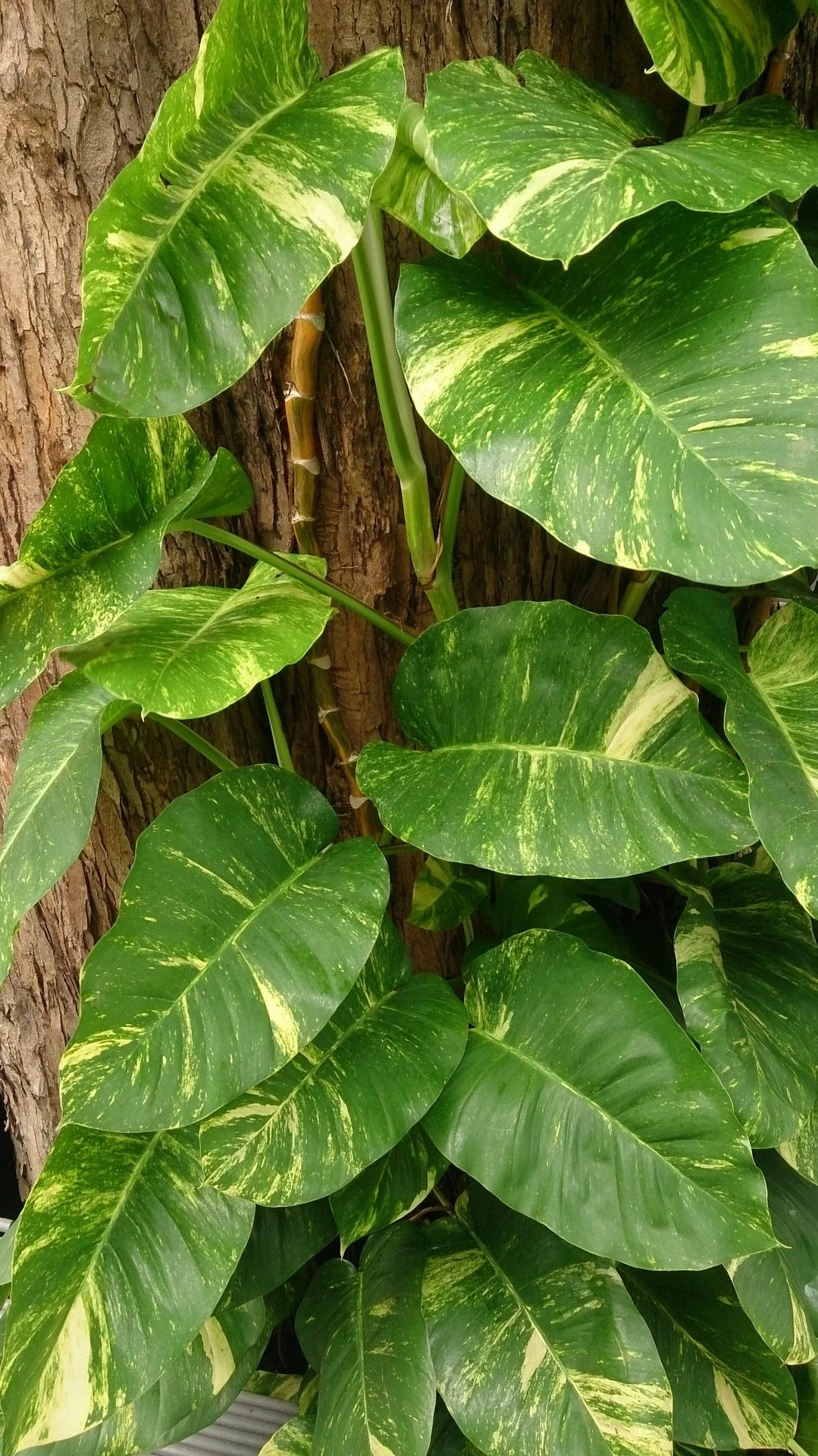
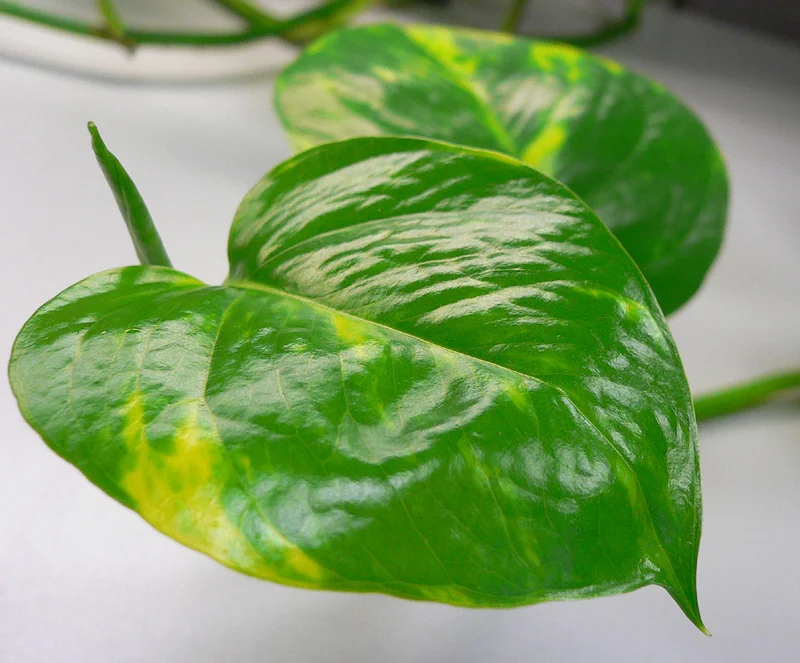
Draped in shimmering shades of emerald and gold, the trailing vines of this tropical climber weave an enchanting canopy beneath the sun-dappled rainforests of French Polynesia. In cultivated settings, Epipremnum aureum has earned global admiration for its near-indestructible nature and lush, heart-shaped leaves.
Commonly known as the golden pothos, this evergreen beauty possesses a remarkable ability to filter indoor pollutants, enhancing air quality in modern living spaces. Gardeners worldwide prize Epipremnum aureum for its adaptability to low-light environments and its effortless elegance as a hanging or climbing accent.
Historically classified under several genera before finding its true taxonomic home, this resilient species continues to captivate botanists and houseplant enthusiasts alike. The natural resilience of Epipremnum aureum allows it to thrive in both soil and water-based hydroponic setups.
In its natural habitat, Epipremnum aureum develops as an evergreen perennial vine, climbing up to 20 meters tall with robust stems that can reach 4 centimeters in diameter. The plant anchors itself securely to tree trunks and forest surfaces using specialized aerial roots that emerge from leaf nodes.
The species exhibits a distinct developmental transition, displaying heterophyly where juvenile foliage differs significantly from mature leaves. Juvenile leaves are alternate, entire, heart-shaped, and typically stay under 20 centimeters in length. In contrast, mature leaves are massive, reaching up to 100 centimeters long and 45 centimeters wide, often developing irregular pinnate lobes.
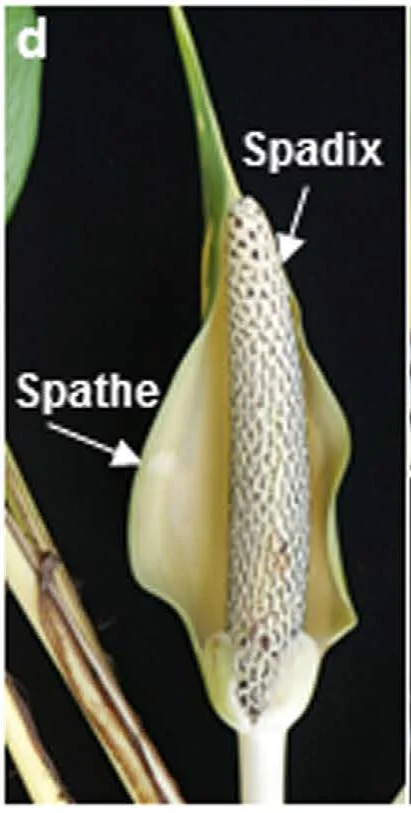
The reproductive structures consist of a spadix wrapped in a yellowish-green spathe that grows up to 23 centimeters long. Notably, Epipremnum aureum is renowned for its shy-flowering nature, which is caused by a genetic impairment of the gibberellin biosynthetic gene EaGA3ox1, making spontaneous blooming extremely rare without artificial hormone supplements.
Thrives best in bright, indirect sunlight. While it tolerates low-light conditions, long periods of direct sun will scorch the foliage.
Water moderately only when the topsoil feels dry to the touch, usually every one to two weeks. Avoid overwatering to prevent root rot.
Maintain temperatures between 17°C and 30°C. Protect the plant from cold drafts, ensuring it does not drop below 15°C.
Prefers high humidity levels around 50% to 60%. Misting the leaves regularly is recommended during dry summer months.
Toxic to pets (dogs and cats) and mildly toxic to humans due to insoluble calcium oxalate crystals, causing oral irritation and swelling.
Due to its aesthetic appeal and high resilience, this species is widely used as a decorative ornamental plant in homes, corporate offices, and shopping malls. It can be grown vertically on moss poles or allowed to cascade gracefully from hanging baskets.
In addition to interior design, Epipremnum aureum serves as a natural air purifier, effectively absorbing volatile organic compounds like formaldehyde, benzene, and xylene under controlled conditions. Its root system hosts microorganisms that play a critical role in breaking down these indoor toxins.
The plant is also highly valued in the aquarists community. When placed on top of fish tanks, its submerged roots act as biological filters that absorb excess nitrates and phosphates from the water, which helps inhibit algae growth and offers shelter for young fish.
The common name Devil's Ivy was given to this plant because it is incredibly difficult to kill and can maintain its vibrant green color even when kept in near-total darkness. In India and other parts of South Asia, it is commonly referred to as the Money Plant and is kept in homes to attract wealth and positive energy according to traditional Vastu Shastra guidelines.
Spontaneous flowering of Epipremnum aureum in cultivation has not been officially reported since 1964, making its reproduction almost entirely dependent on vegetative propagation. This evolutionary quirk is linked to a genetic mutation that prevents the plant from synthesizing gibberellins naturally.
Although it is a beloved indoor companion, the plant has become a problematic invasive species in tropical regions such as Florida, South Africa, and Sri Lanka. Without natural competitors, its rapid growth can smother native forest floors and climb tree trunks, causing significant ecological disruption.
Over decades of cultivation, growers have developed numerous highly decorative cultivars of this popular vine, featuring unique variegation patterns and leaf sizes:
Taxon Synonyms: Pothos aureus, Epipremnum mooreense, Rhaphidophora aurea, Scindapsus aureus
Epipremnum pinnatum
Epipremnum pinnatum, commonly known as the dragon-tail plant, is a versatile evergreen climber famous for …

Epipremnum giganteum
A giant climbing epiphyte known for its massive leathery leaves and prominent venation, native to …

Epipremnum dahlii
Epipremnum dahlii is a rare tropical climbing liana in the Araceae family, native to the …

Epipremnum falcifolium
A large evergreen climbing vine native to Borneo, distinguished by its sickle-shaped (falcate) leaves and …