Homalolepis salubris: Botanical Characteristics and Habitat
Growing naturally within the diverse ecosystems of Brazil, Homalolepis salubris is particularly associated with the Cerrado and the fringes of the Atlantic Forest. This species has earned a place in regional ethnobotany due to the therapeutic properties attributed to its bitter bark. It typically develops as a robust shrub or a low-branching tree.
Local populations have historically referred to the plant by several vernacular names, reflecting its integration into regional culture. It prefers well-drained, sandy or clayey soils in sunny locations.
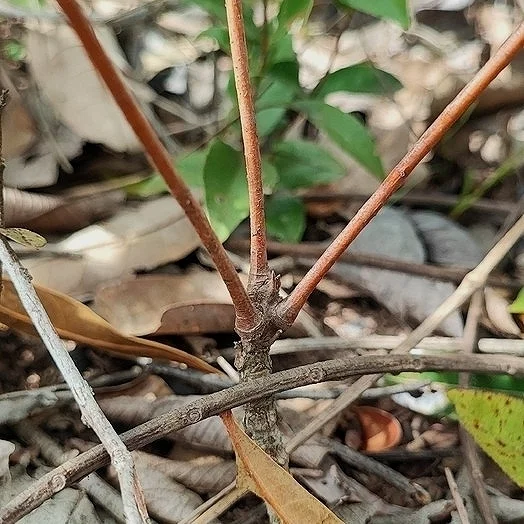
The vegetative and reproductive features of Homalolepis salubris showcase classic adaptations to seasonal climates. It displays pinnate leaves with shiny, dark green leaflets that help reflect excess sunlight. The branches are covered in a smooth, bitter-tasting grey bark.
During its reproductive cycle, the plant produces tiny, clustered blossoms:
Inflorescences: Terminally positioned panicles branching out extensively.
Flowers: Small, pale yellow or greenish, unisexual, attracting small flying insects.
Fruits: Small, drupaceous fruits containing a thin layer of pulp around a hard endocarp.
The deep taproot enables the species to access water during the extended dry seasons of the Brazilian interior.
Applications
The primary value of Homalolepis salubris lies in its traditional medicinal applications. Historically, decoctions made from its bitter bark and roots have been utilized in Brazilian folk medicine as a remedy for persistent fevers, malaria, and gastrointestinal disorders. The bitter principles, likely containing quassinoids, are responsible for its therapeutic reputation. However, these applications remain restricted to local traditional practices without formal pharmaceutical validation.
Interesting facts
The specific epithet salubris is Latin for "health-giving" or "salutary," a direct nod to the plant's extensive history in traditional medicine. In the state of Minas Gerais, it is commonly called Calunga, a term often associated with protective charms or traditional spiritual practices. The extreme bitterness of the plant serves as a natural deterrent against herbivorous insects and mammals.
Geography of distribution
Brazil
Sources
Plants of the World Online (POWO): Scientific registry confirming the taxonomic status of the taxon.
World Flora Online (WFO): Global repository detailing the valid name and synonyms.
Global Biodiversity Information Facility (GBIF): Distribution maps confirming occurrences in Minas Gerais and Bahia.