
Small-leaved Kaim
Mitragyna parvifolia
A deciduous tree native to South Asia, revered for its medicinal properties, fine timber, and …
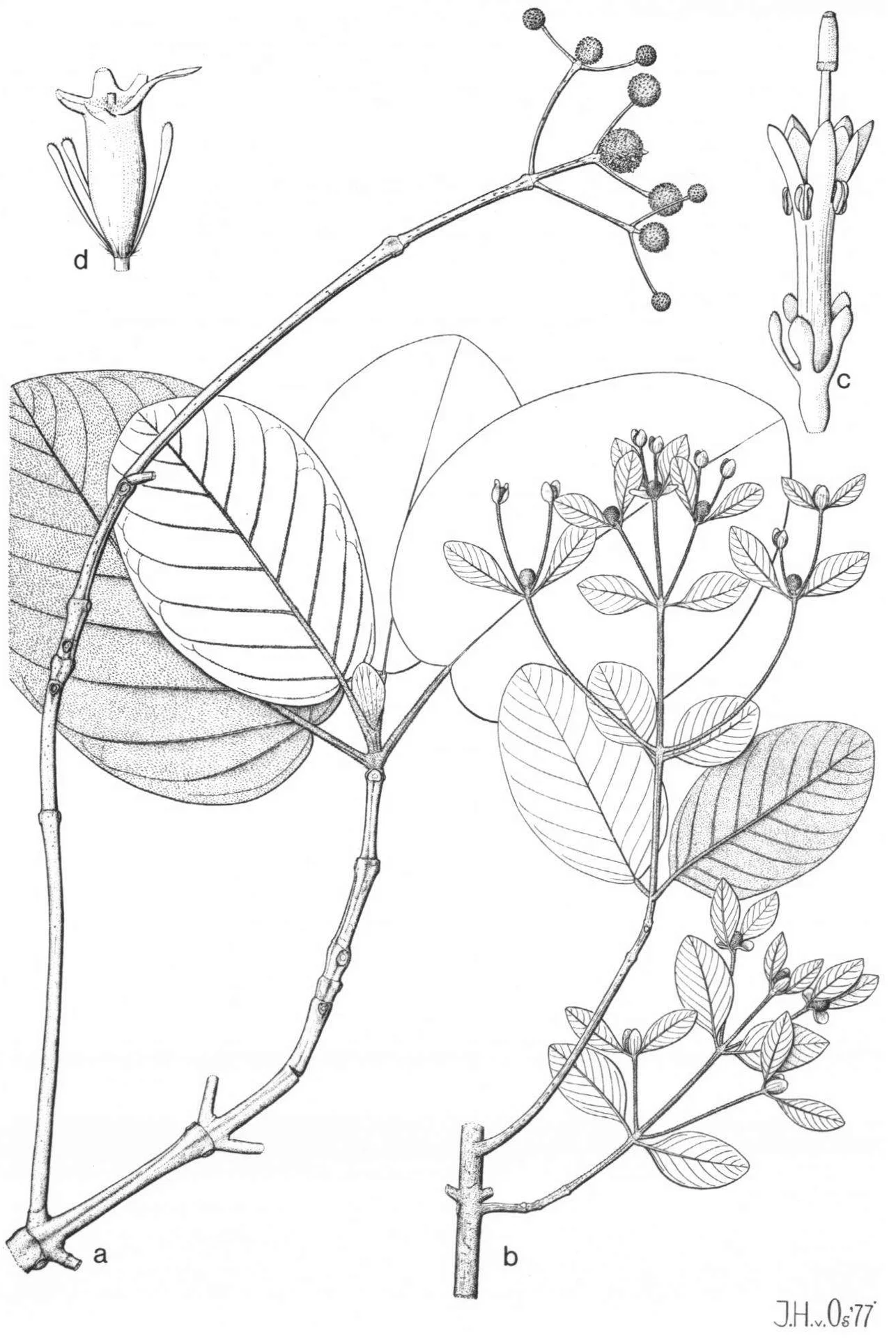
Inhabiting the deciduous forests and disturbed habitats of mainland Southeast Asia, the resilient tree Mitragyna hirsuta has long been valued in regional ethnobotanical practices. It is commonly found in countries like Thailand, Cambodia, and Vietnam, where it often grows in open areas and secondary forests. Locally referred to as kra thum khok, this plant is best known for the stimulant properties of its leaves, which are used as a traditional substitute for kratom.
This species typically grows as a small to medium-sized tree, reaching mature heights between 10 and 15 meters. The young branches and stipules are characterized by a dense covering of fine, soft hairs, a feature reflected in its scientific name.
Key morphological features include:
The leaves of this plant are historically chewed or brewed into a herbal tea by local laborers to combat fatigue and increase stamina. Traditional practitioners also use preparations of the bark and leaves to soothe muscle aches and alleviate minor pain. Modern interest has grown due to the presence of mitraphylline, an alkaloid that interacts with opioid receptors but is chemically distinct from mitragynine.
Unlike its relative Mitragyna speciosa, this species remains legal in many countries where kratom is restricted, making it a subject of modern pharmacognostical study. The specific epithet hirsuta translates to 'hairy' in Latin, directly referencing the fuzzy texture of its leaves and twigs. In its native range, the tree is highly drought-tolerant compared to other members of the genus.
Mitragyna parvifolia
A deciduous tree native to South Asia, revered for its medicinal properties, fine timber, and …

Mitragyna stipulosa
A tropical forest and swamp-dwelling tree of Africa, notable for its alkaloid content and ecological …

Mitragyna tubulosa
A tall tree species native to the Western Ghats of India and Sri Lanka, known …

Mitragyna rotundifolia
An Asian tree species recognized by its distinctively rounded foliage and robust bark.