
Large-Stipule Mitragyna
Mitragyna stipulosa
A tropical forest and swamp-dwelling tree of Africa, notable for its alkaloid content and ecological …
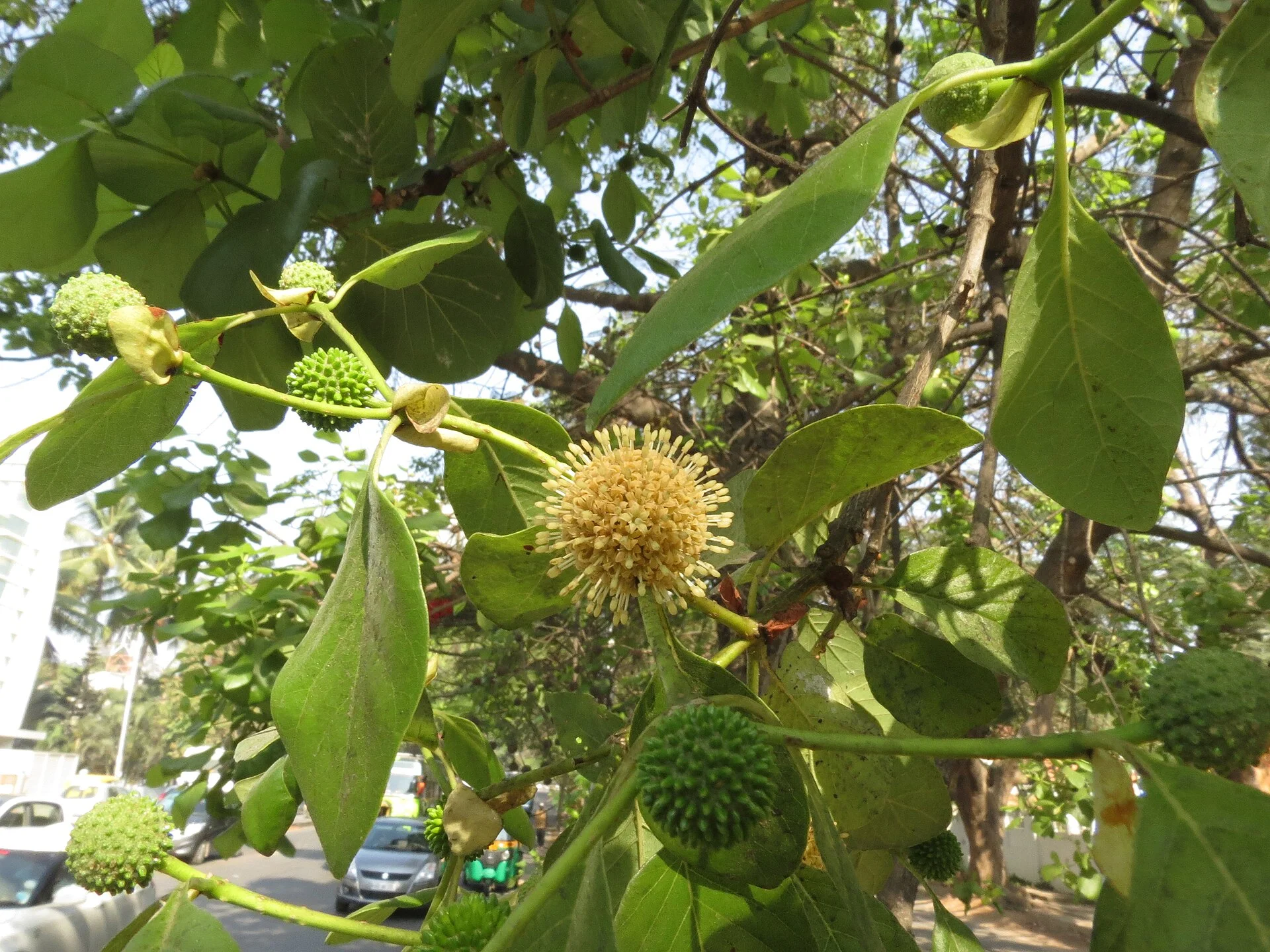
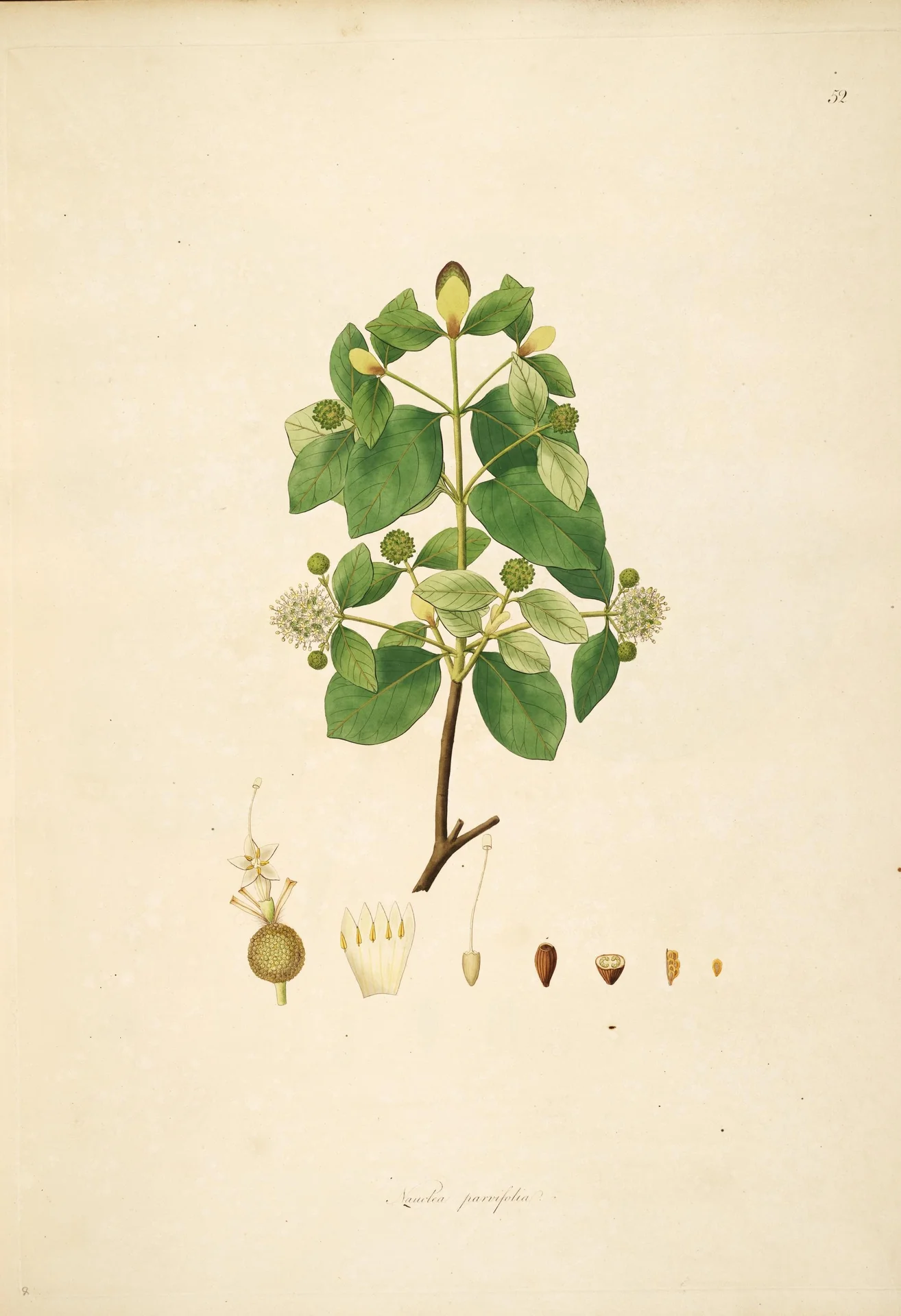
Rising up to 50 feet in its native South Asian habitats, Mitragyna parvifolia commands attention with its substantial canopy and striking floral displays. Widely known as the True Kadamb, this deciduous tree holds deep cultural resonance across the Indian subcontinent. Beyond its spiritual and historical significance, it serves as an essential resource in traditional herbal practices and provides valuable timber.
The architecture of this tree features an erect, relatively short trunk that supports a broad branch spread often exceeding 15 feet. Its foliage consists of smooth, dark green leaves growing in an opposite pattern. These leaves vary from elliptical to orbicular in shape, typically measuring 5 to 15 centimeters in length.
During the blooming phase, the tree undergoes a dramatic transformation. Key floral and fruiting characteristics include:
Typically blooms before the monsoon season in its native Asian habitats.
The fine-grained, moderately hard wood of this tree is highly valued by local craftsmen for manufacturing agricultural implements and various specialized tools. In traditional herbal practices, indigenous communities utilize nearly every part of the plant for medicinal purposes. The fresh leaf sap and bark decoctions are frequently administered to address conditions such as jaundice, fever, and muscular pain.
Additional traditional therapeutic applications include:
According to botanical assessments of classical Sangam literature and the native ecology of the Vrindavana region, this species is identified as the authentic 'Kadam' tree associated with Lord Krishna. This resolves a long-standing mistaken botanical identity with Neolamarckia cadamba, which is not naturally found in the dry Vrindavana forests.
Ecologically and biochemically, the tree exhibits several remarkable traits:
Taxon Synonyms: Nauclea parvifolia, Stephegyne parvifolia
Mitragyna stipulosa
A tropical forest and swamp-dwelling tree of Africa, notable for its alkaloid content and ecological …

Mitragyna tubulosa
A tall tree species native to the Western Ghats of India and Sri Lanka, known …

Mitragyna rotundifolia
An Asian tree species recognized by its distinctively rounded foliage and robust bark.

Mitragyna speciosa
Mitragyna speciosa, commonly known as kratom, is a tropical evergreen tree in the coffee family …