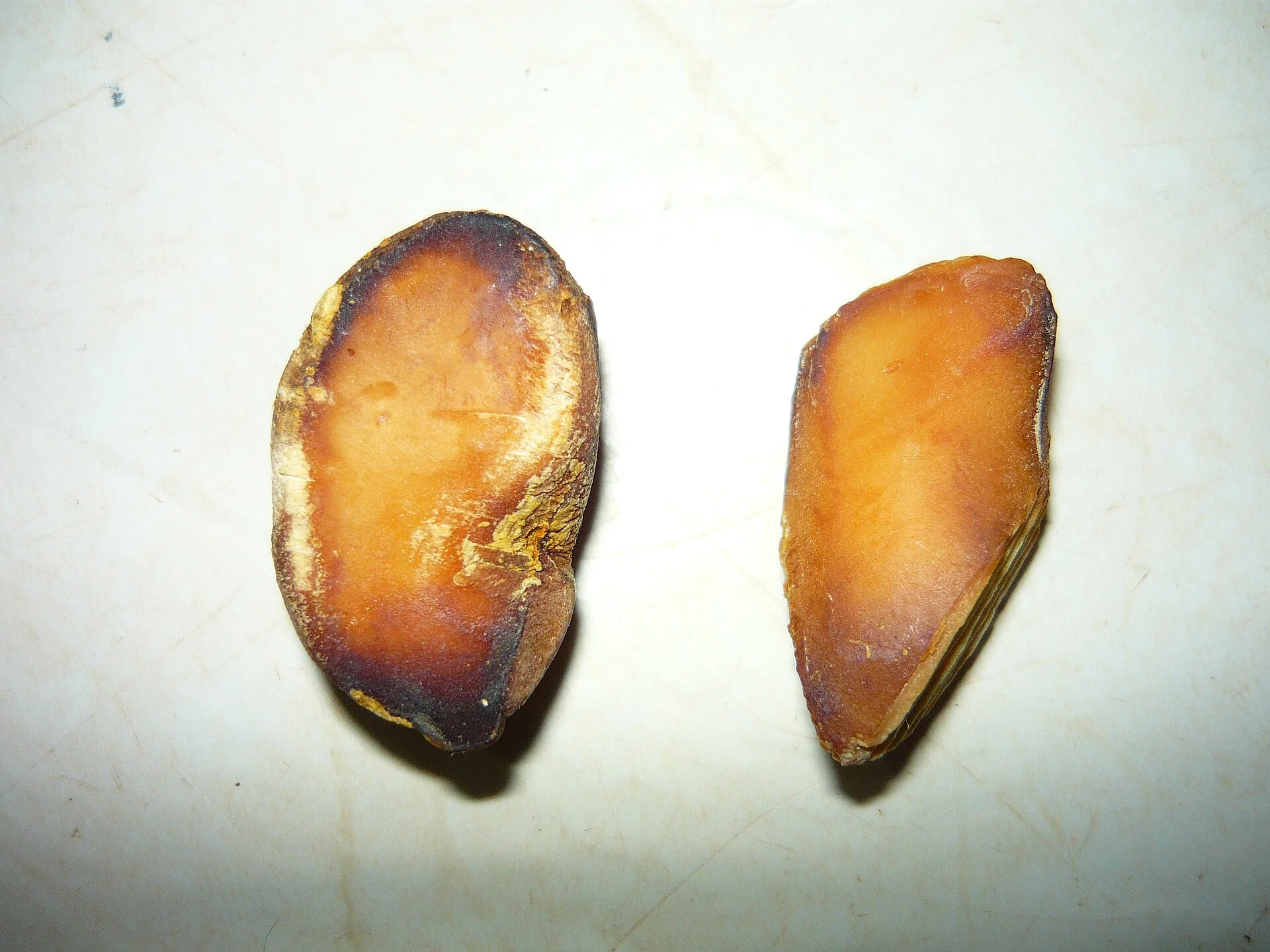
Cedron (Simaba cedron)
Simaba cedron (Cedron Tree) - Botany, Uses & Description
Recognized for its potent medicinal history, the tropical tree species Simaba cedron grows in the lowlands of Central and South America. Local populations have long valued this member of the Simaroubaceae family for its active chemical compounds.
The plant typically thrives in humid forest habitats, where it forms part of the understory or sub-canopy layer. Its bitter properties serve as a natural defense mechanism against herbivores.
Taxonomy
- β ΡΠ°ΡΡΡΠ²ΠΎ Plantae
- β division Tracheophytes
- β subdivision Spermatophytes (Seed plants)
- β Angiosperms
- β mesangiosperms
- β eudicots
- β Superrosids
- β rosids
- β malvids
- β order Sapindales
- β family Simaroubaceae (Quassia family)
- β genus Simaba (Simaba Tree)
- β species Simaba cedron (Cedron)
Morphology
This species develops as a relatively small tree with a distinct upright growth habit. Its structural features include:
- Leaves: Large, pinnate compound leaves measuring 70 to 100 cm in length, bearing approximately twenty narrow leaflets.
- Flowers: Small, fragrant yellow blossoms clustered in massive panicles that can reach up to one meter in length, featuring a finely pubescent corolla.
- Fruit: A large, fleshy structure comparable in size and shape to an apple, containing a single large, intensely bitter seed.
Applications
The primary value of this species lies in its historical medicinal applications. Extracts from the bitter seeds have been utilized in traditional medicine to combat intermittent fevers and malaria.
Due to the presence of highly concentrated bitter principles, the seeds are toxic in elevated doses. Improper ingestion can trigger severe vomiting and other systemic symptoms.
Interesting facts
Travelers in Central and South America historically carried the seeds of this plant as an emergency remedy for snakebites. The bitter seed was often referred to as a "cedron bean" and commanded high value in regional trade.
Geography of distribution
- Colombia
- Brazil
- Panama
- Costa Rica
- Venezuela
- Bolivia
- Paraguay
Sources
- Plants of the World Online (POWO)
- World Flora Online (WFO)
- Tropicos.org, Missouri Botanical Garden
- Global Biodiversity Information Facility (GBIF)