Simaba floribunda: The Brazilian Bitterwood Species
Swaying in the warm breezes of the Brazilian coastal restingas, the resilient branches of Simaba floribunda stand as a testament to the rich biodiversity of South America's eastern ecosystems. This wild woody species thrives in both the humid Atlantic forests and the semi-arid shrublands of northeastern and southeastern Brazil.
Renowned French botanist Augustin Saint-Hilaire first described Simaba floribunda during his extensive scientific expeditions in the early nineteenth century. Today, the plant remains an intriguing subject for researchers studying the chemical diversity and ecological adaptations of the Simaroubaceae family.
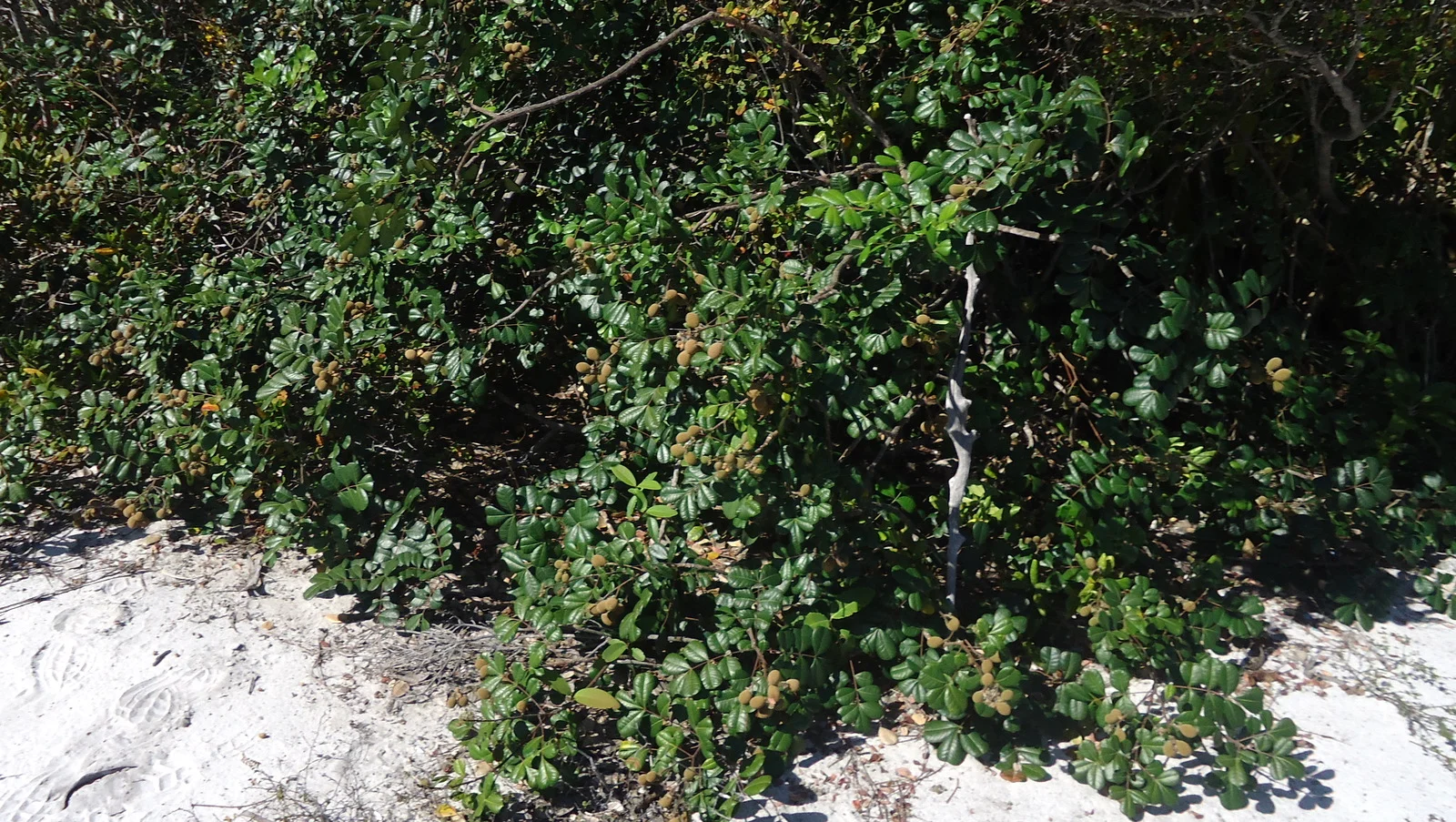
Simaba floribunda grows as a woody shrub or small tree, exhibiting structural adaptations typical of its native Brazilian habitats. The plant features alternate, pinnately compound leaves with thick, leathery (coriaceous) leaflets that help minimize water loss.
The botanical description highlights the following features:
Inflorescences: Large, terminal panicles that branch extensively to bear a profusion of small flowers.
Flowers: Pentamerous structures with cream-colored or pale greenish-yellow petals that are often covered in fine, velvety pubescence.
Stamens: Characterized by distinct scale-like or glandular appendages at the base of the filaments, a diagnostic trait of the genus.
Fruits: Small, solitary or grouped drupelets containing a single seed, resting on an enlarged receptacle.
Interesting facts
The history and distribution of this plant reveal several compelling aspects:
Scientific Discovery: The species was officially described by the prominent French botanist Augustin Saint-Hilaire, who documented the flora of Brazil during the colonial era.
Regional Endemism: It is native exclusively to Brazil, spanning several states including Bahia, Pernambuco, Minas Gerais, and Rio de Janeiro.
Bitterwood Heritage: As a member of the Simaroubaceae family, Simaba floribunda is closely related to other bitterwood species known for their bitter taste due to the presence of quassinoid compounds.