Sommer's wood (Sommerxylon)

Π’Ρ‹ΠΌΠ΅Ρ€ΡˆΠΈΠΉ Π²ΠΈΠ΄
#F5F9E9
#EFF8EC
#637237
#FEFBFD
#9FAE7B

Sommerxylon: Ancient Fossil Conifer from Paleorrota

Silent stone trunks from the Late Triassic period hold the secrets of ancient forests that once covered the Paleorrota region in modern-day Brazil. These fossilized remains, discovered in the Caturrita Formation, represent a remarkable genus of extinct gymnosperms that thrived millions of years before the rise of modern conifers.

Named in honor of the pioneering Brazilian paleobotanist Dr. Margot Guerra Sommer, this prehistoric conifer provides crucial insights into the evolution of early seed plants. The discovery of its silicified wood has helped scientists reconstruct the wet, sub-tropical terrestrial ecosystems of Gondwana.
Taxonomy

Morphology

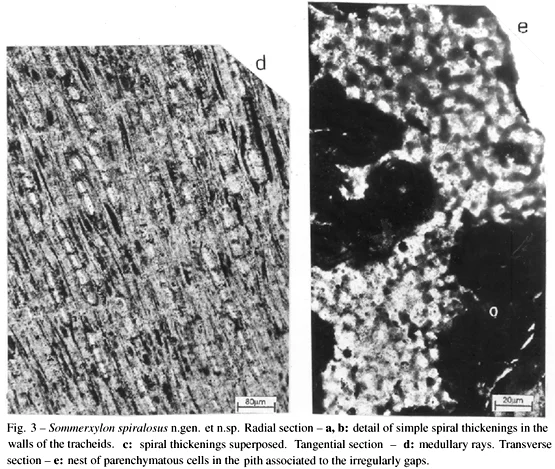
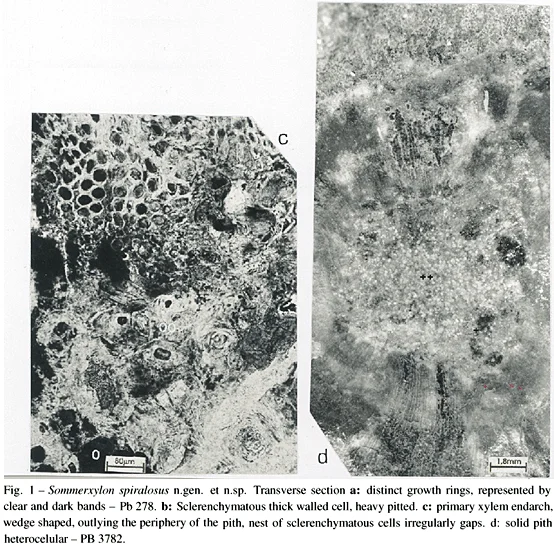
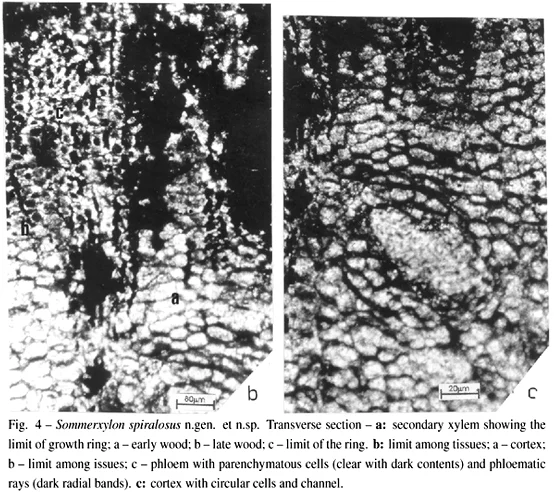
Thick radial walls of tracheids and distinctive bordered pits on the fossilized wood reveal the intricate cellular anatomy of this ancient gymsomperm. The internal structure is characterized by a central pith composed of both parenchymatous and sclerenchymatous cells.

Anatomical investigations of the primary and secondary xylem show several defining features:

  • Distinctive pitting on the radial walls of the tracheids, dominated by bordered pits.
  • Pith composition consisting of a mixture of parenchyma and sclerenchyma cells.
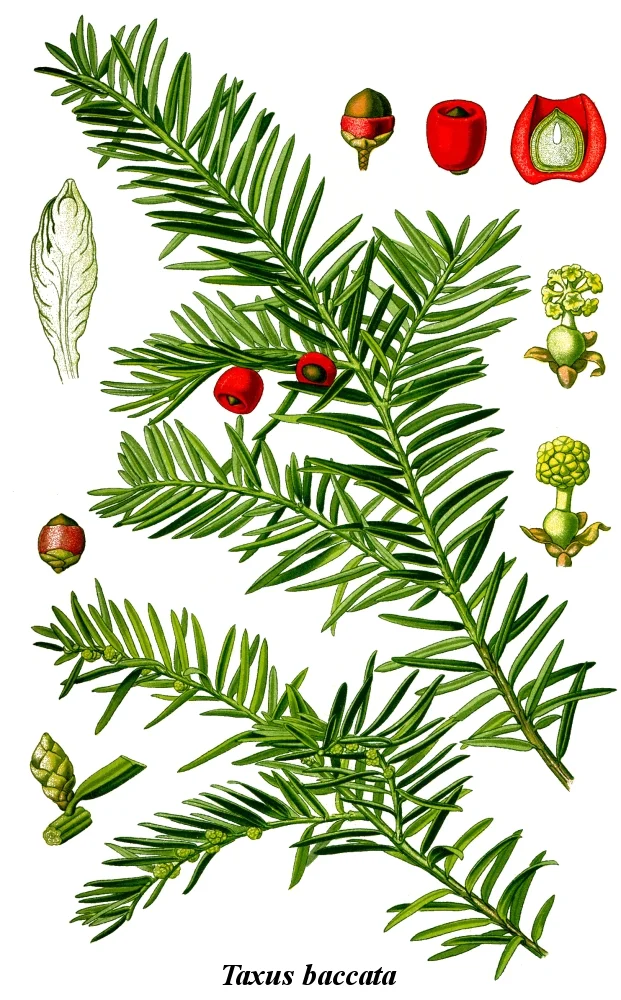
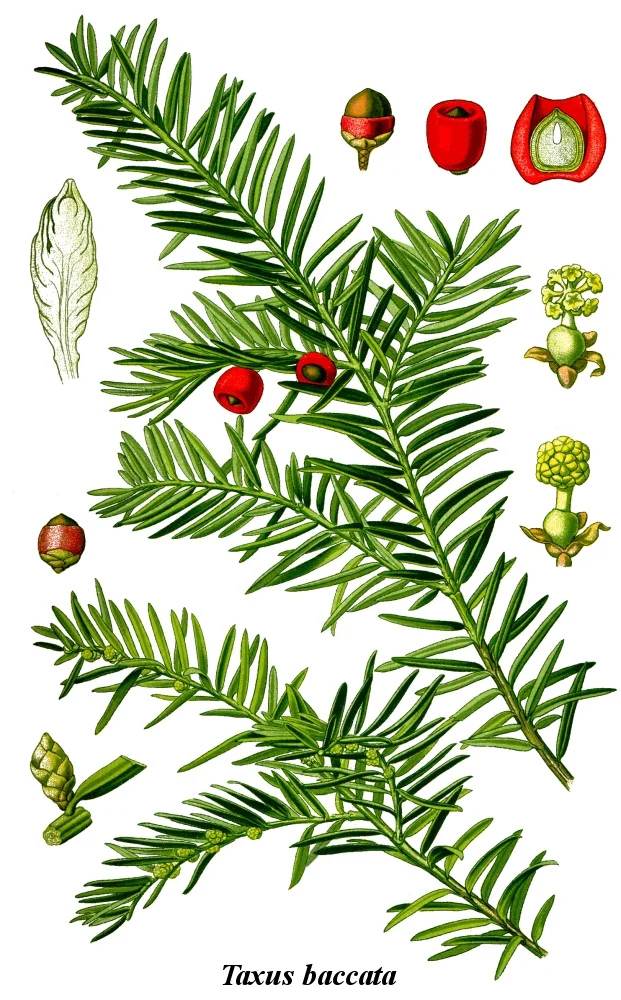
  • Absence of resin canals and axial parenchyma, which strongly suggests a taxonomic affinity to the Taxaceae family.

Applications

Fossilized remains of this genus serve as invaluable biostratigraphic markers for dating geological formations of the Late Triassic. They help researchers correlate sedimentary layers across the ParanΓ‘ Basin and reconstruct Gondwanan ecosystems.

Scientific studies of the silicified wood also provide critical data on ancient paleoclimatic conditions and the structural evolution of gymnosperm xylem.

Interesting facts

The genus was named to honor Dr. Margot Guerra Sommer, an influential Brazilian paleobotanist who dedicated her career to studying Triassic floras.

  • Silicified preservation: The wood tissues were replaced by silica over millions of years, preserving the cellular structure with microscopic detail.
  • Triassic giants: These trees coexisted with early dinosaurs and other prehistoric reptiles in the ancient Paleorrota territory.
  • Taxaceae link: The unique combination of tracheid structures and missing resin canals suggests a very early evolutionary link to modern yew trees.

Geography of distribution

  • Brazil

Sources

  • GBIF (Global Biodiversity Information Facility): Sommerxylon (https://www.gbif.org)
  • WFO (World Flora Online): Taxaceae family records (http://www.worldfloraonline.org)
  • Tropicos: Paleobotanical collection database (https://www.tropicos.org)

Technical Information

External Databases: GBIF