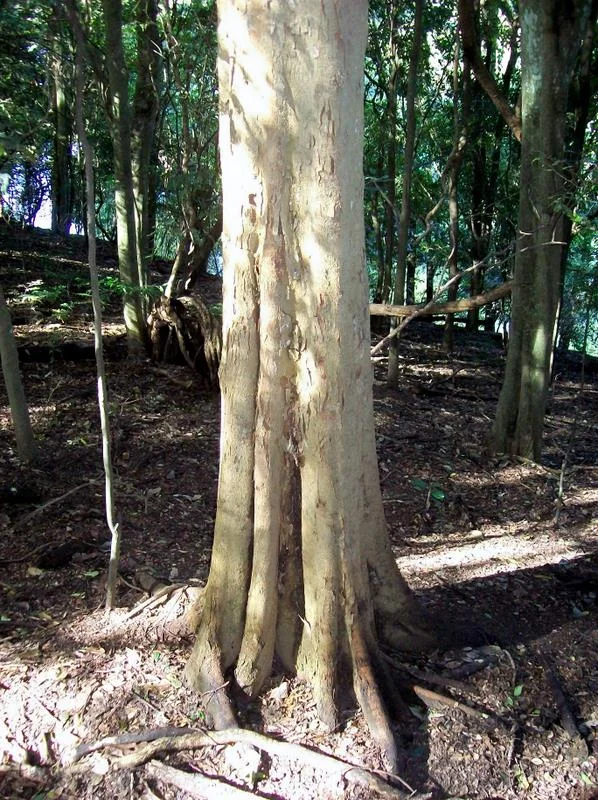
Aphananthe Genus: Sandpaper Trees and Botanical Overview
Renowned for their remarkably rough foliage, members of the genus Aphananthe represent a group of deciduous and evergreen trees distributed across Asia, Australia, Madagascar, and parts of the Americas. These fast-growing trees are often found in lowland forests, along riverbanks, and in rocky terrains.
The genus contains around five widely recognized species, the most prominent being the East Asian Aphananthe aspera. Their ecological versatility and utility to humans have made them significant in both forestry and traditional crafts.
Typically reaching heights of up to 30 meters, these trees possess alternate, simple leaves with sharply serrated margins. The leaf blades are covered with mineralized, stiff hairs, resulting in an exceptionally abrasive texture. Deciduous species shed their leaves during the dry season or autumn months.
The unisexual flowers are small, greenish, and wind-pollinated, with male flowers clustered in basal cymes and female flowers typically growing singly in the upper leaf axils. The fruit is a globose to ovoid drupe, turning dark purple, black, or orange when ripe, and is highly attractive to frugivorous birds.
Applications
The abrasive leaves of certain species, particularly Aphananthe aspera, have been used for centuries as natural sandpaper for polishing fine woodwork. The strong, dense timber is valued for manufacturing agricultural tools, sports equipment, and high-quality paper pulp.
Interesting facts
The scientific name Aphananthe is derived from Greek words meaning "insignificant flower," highlighting the small and inconspicuous nature of its blooms. Fossil records show that the genus was once widespread across Europe and North America during the Eocene and Oligocene epochs.