
Muku tree
Aphananthe aspera
Aphananthe aspera, commonly known as the muku tree or scabrous aphananthe, is a large deciduous …
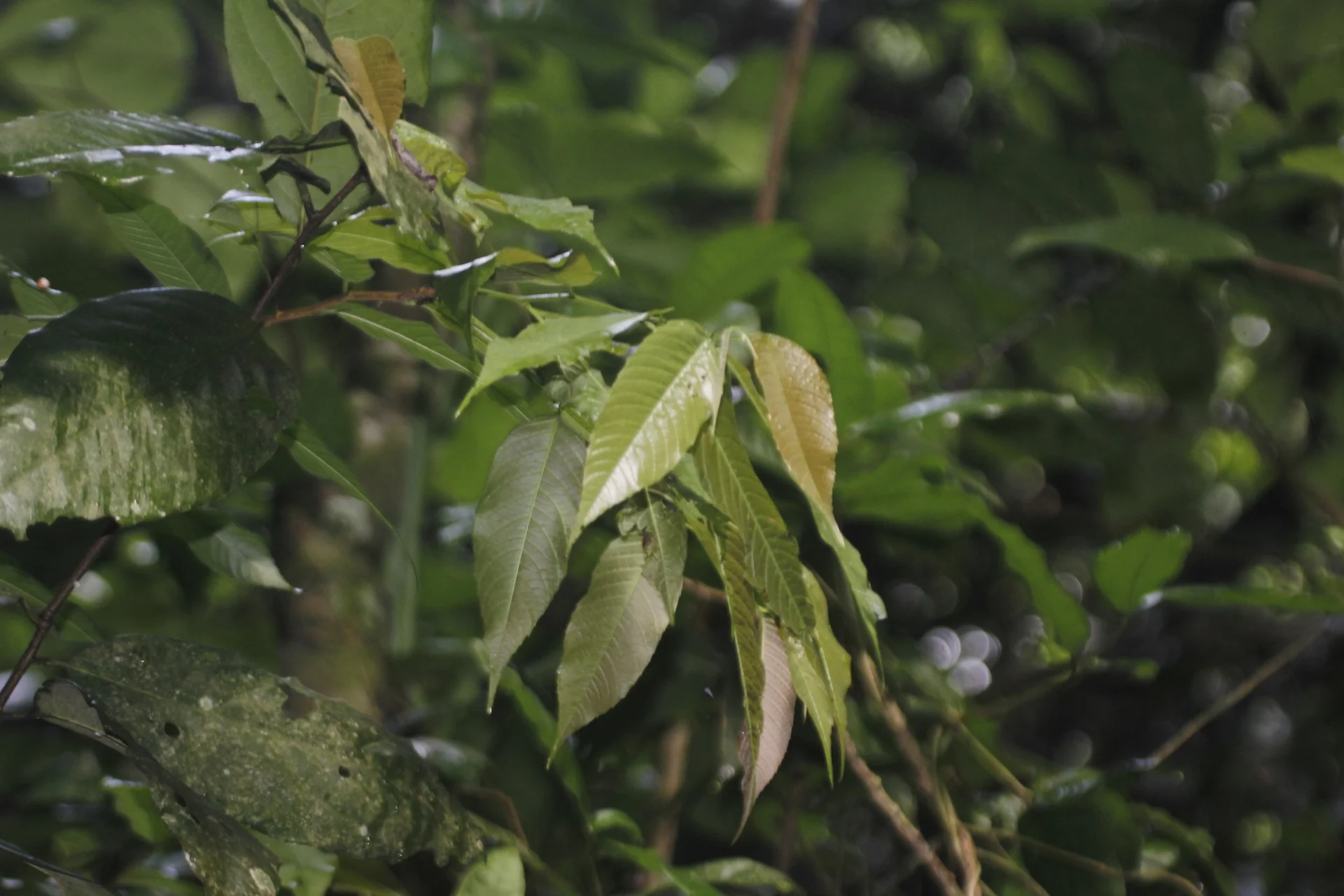
Growing steadily as a medium-sized tree, Aphananthe monoica inhabits the humid and tropical forests stretching from northwestern Mexico to northwestern Nicaragua. This species actively contributes to the dense canopy and ecological balance of diverse Mesoamerican woodlands.
Originally described by William Botting Hemsley and subsequently updated by André Leroy, the tree maintains widespread populations across its native range. The abundance of indigenous and regional names strongly reflects its deep integration into local cultures.
Developing into a medium-sized tree, this plant establishes a robust structural presence within tropical forest environments. The canopy structure and foliage seamlessly adapt to the specific light and moisture conditions of humid habitats.
The specific epithet indicates a monoecious reproductive system, meaning distinct male and female floral structures emerge on the exact same individual tree. This biological adaptation facilitates efficient localized pollination across the forest.
Throughout its geographic distribution, local populations interact closely with the tree, assigning it numerous regional names in languages such as Nahuatl and Totonac. Indigenous communities historically recognize the species for its ecological value within the forest ecosystem.
Taxon Synonyms: Aphananthe mexicana, Mirandaceltis monoica, Celtis monoica
Aphananthe aspera
Aphananthe aspera, commonly known as the muku tree or scabrous aphananthe, is a large deciduous …

Aphananthe philippinensis
A prominent rainforest tree from Australia and the Pacific, known for its sandpaper-like leaves and …

Aphananthe cuspidata
A large evergreen tree species native to the forests of South and Southeast Asia, notable …

Picrasma
A genus of deciduous trees and shrubs known for their extremely bitter bark and medicinal …