
Common Pawpaw
Asimina triloba
Asimina triloba, commonly known as the pawpaw, is a small deciduous tree native to North …
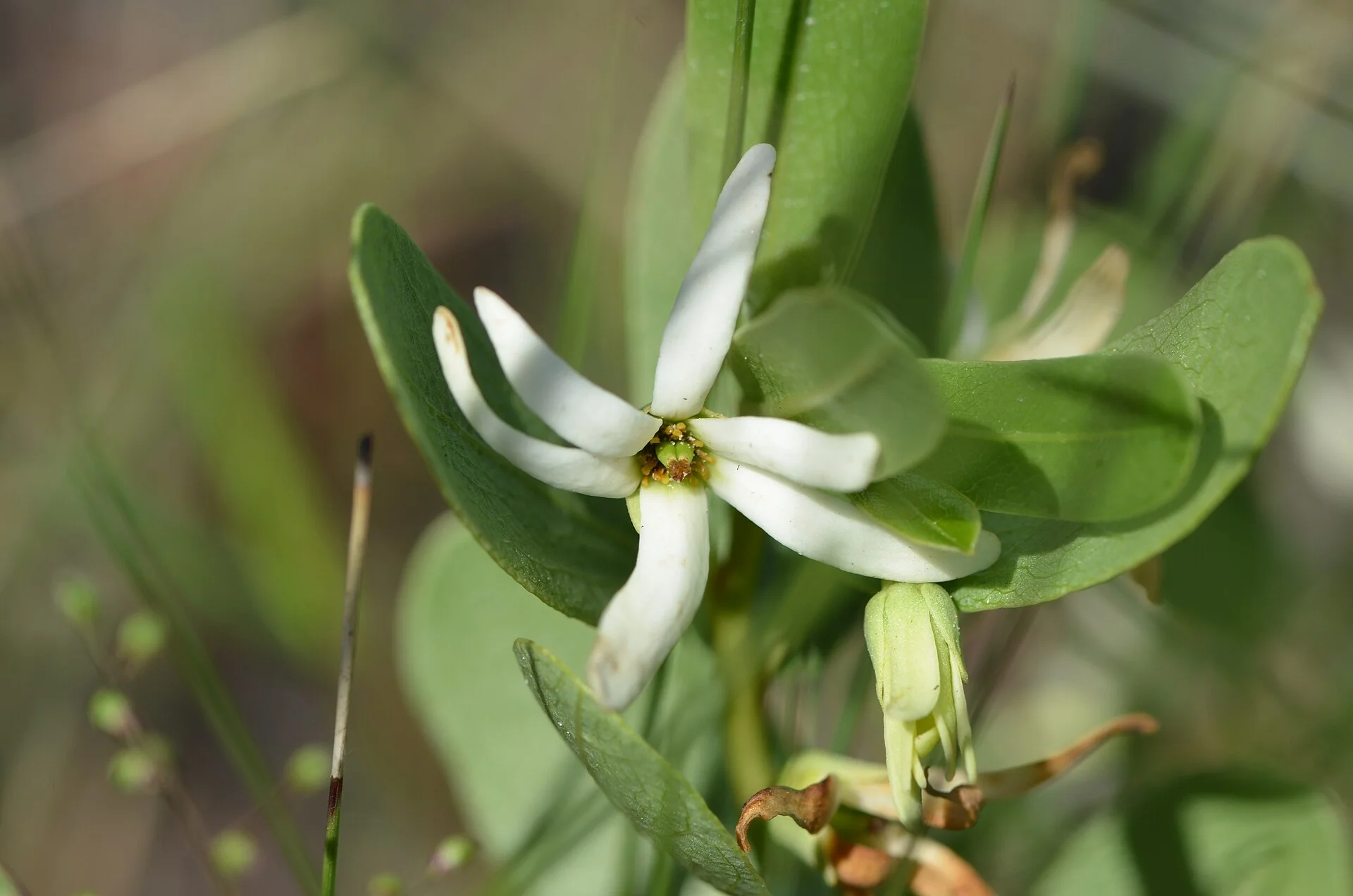
Growing in the highly fragmented sandy pine forests of Florida, the rare shrub known as beautiful pawpaw faces an immediate threat of extinction. Officially designated as endangered in 1986, this species survives in only a few isolated populations within Charlotte, Lee, and Orange counties. Its survival remains closely linked to the continuation of natural ecological processes.
Due to its specialized habitat requirements, the species depends on periodic wildfires to suppress larger competing vegetation. Without regular fire disturbance, the surrounding brush shades out these low-growing plants and inhibits their reproductive cycle. Urbanization and land clearing continue to pose severe challenges to the recovery of these wild populations.
This dwarf shrub displays a highly adapted physical structure suited for sandy, fire-prone environments. It grows from a deep taproot, which allows it to resprout after fires.
Its key botanical features include:
Spring
Ecological restoration efforts utilize this species to preserve the biodiversity of the Florida scrub ecosystem. It serves as a vital food source for native pollinators, including specialized beetles and thrips.
The sweet fragrance of the flowers is produced by specific organic compounds, including veratrole and linalool, which attract specialized beetle pollinators. Additionally, the plant occasionally forms natural hybrids with its relative, Asimina reticulata.
Taxon Synonyms: Deeringothamnus pulchellus
Asimina triloba
Asimina triloba, commonly known as the pawpaw, is a small deciduous tree native to North …

Asimina obovata
An endemic shrub or small tree from Florida, noted for its large showy flowers and …

Asimina parviflora
Asimina parviflora, commonly known as the smallflower pawpaw, is a dwarf shrub native to the …

Asimina reticulata
A flowering shrub endemic to Florida, featuring leathery leaves and fragrant flowers.