
Common Pawpaw
Asimina triloba
Asimina triloba, commonly known as the pawpaw, is a small deciduous tree native to North …
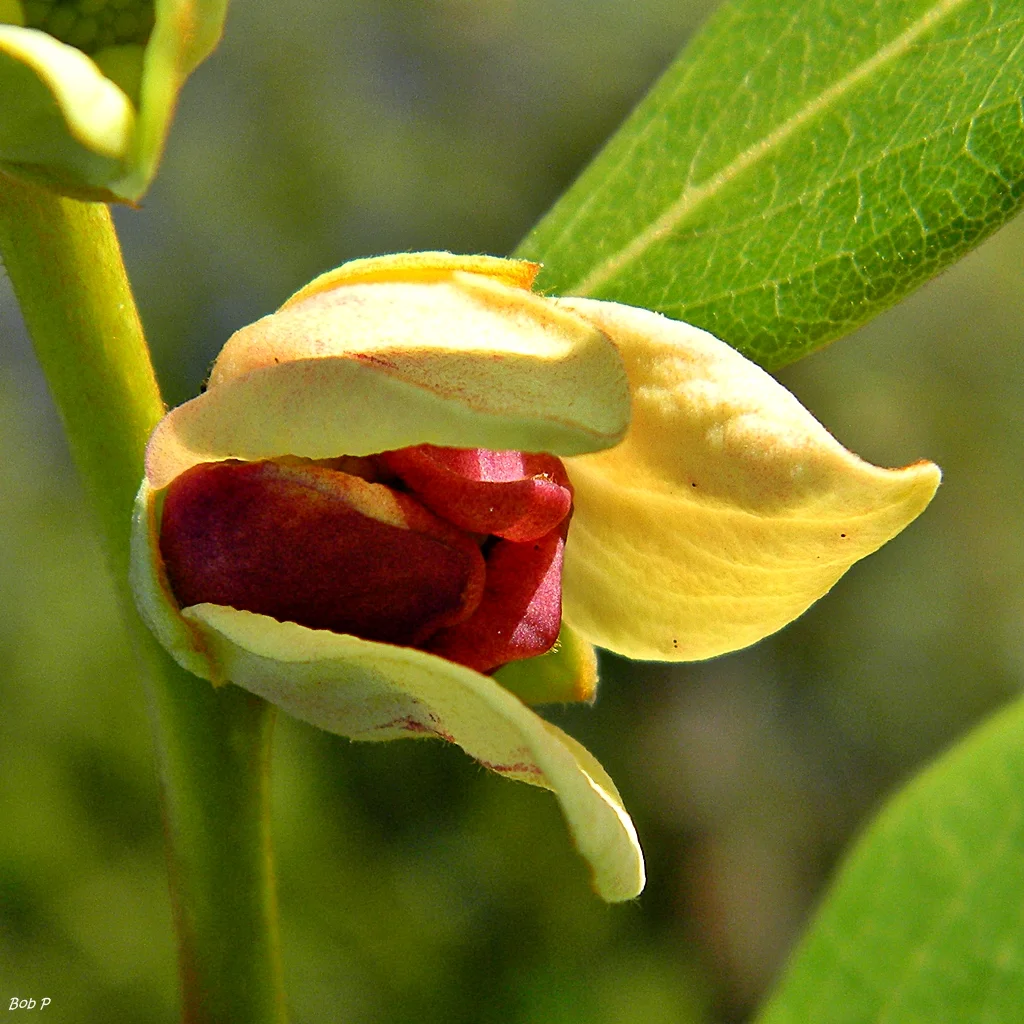
Thriving against the odds in the harsh, fire-swept sand pine scrubs of Florida's Atlantic Coastal Ridge, the four-petal pawpaw possesses an extraordinary evolutionary resilience. Rooted deeply with a robust taproot, Asimina tetramera relies on the devastating force of wildfires to clear the shading canopy of larger trees, allowing it to burst forth in a rapid frenzy of growth and reproduction. This rare botanical gem exists as a fragmented remnant in just two counties, silently documenting the intricate balance of its endangered coastal dune ecosystem.
As an understory specialist, Asimina tetramera grows as a large perennial shrub or small tree, reaching heights of up to three meters. Its life cycle is inextricably linked to the specialized insects of its habitat, releasing a surprisingly foul odor to attract the beetles that wander through its floral chambers. As one of the most distinctive members of the Annonaceae family, it stands out not only for its ecological specialization but also for its critical conservation status in the face of rapid human development.
The physical structure of Asimina tetramera sets it apart from its close relatives, most notably through its unique floral arrangement. While other pawpaw species typically display three sepals, this species distinctively features four, accompanying six fleshy petals that transition from cream to a striking maroon with occasional pink streaks as they mature. The outer petals are oblong and reach up to three centimeters in length, forming a protective chamber for visiting pollinators.
Foliage is equally characteristic, with oblong, spirally arranged leaves measuring 5 to 10 centimeters long. The leaf margins are distinctively rolled under, and while the upper surface matures to a smooth, dark green, the underside retains a reticulated, gray-green appearance. The stems are varied in color, ranging from reddish-brown to gray, dotted with pale lenticels, and grow from a massive underground root crown that ensures survival during severe droughts and fires.
The fruiting bodies emerge as yellow-green, aggregate berries that develop a sweet, banana-like scent upon ripening. These fruits house flat, shiny, dark brown seeds packed with a high oil content in their endosperm, designed to sustain the developing seedling in nutrient-poor sandy soils.
The blooming period begins in early spring, with flowers opening on new growth and reaching their peak maturation in the warmer months.
Asimina triloba
Asimina triloba, commonly known as the pawpaw, is a small deciduous tree native to North …

Asimina obovata
An endemic shrub or small tree from Florida, noted for its large showy flowers and …

Asimina parviflora
Asimina parviflora, commonly known as the smallflower pawpaw, is a dwarf shrub native to the …

Asimina reticulata
A flowering shrub endemic to Florida, featuring leathery leaves and fragrant flowers.