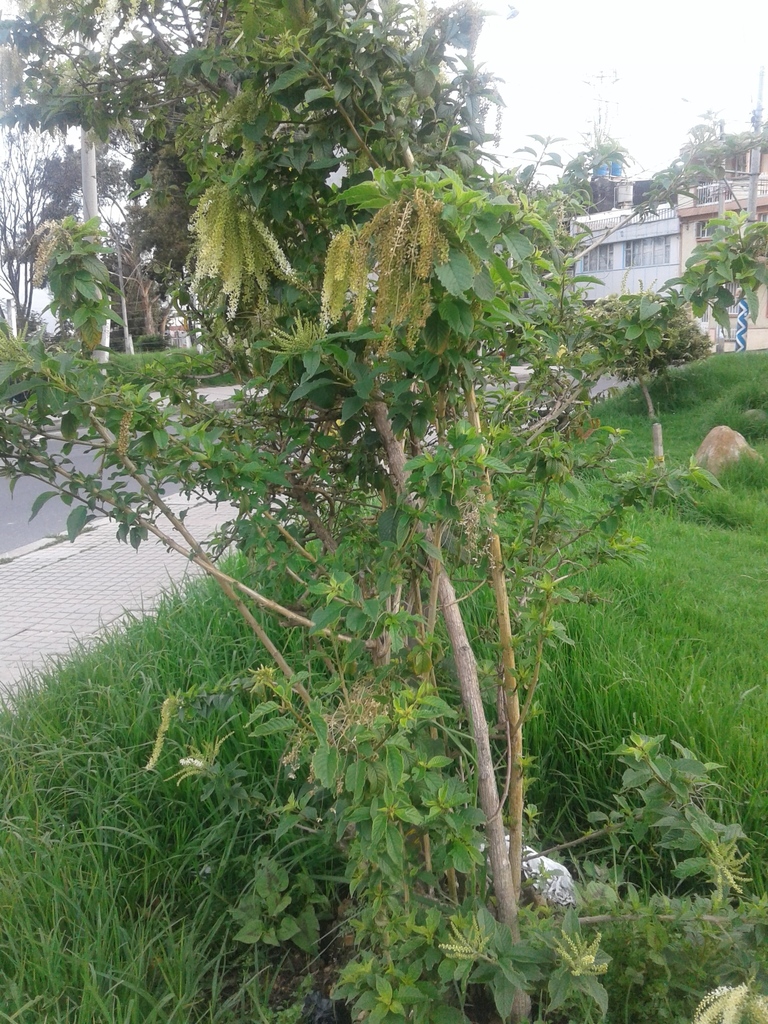
Ledenbergia seguierioides: Characteristics, Habitat, and Botany
Originating from the humid tropical biomes of South America, Ledenbergia seguierioides is a remarkable perennial species that spans regions from Colombia to Venezuela. It grows primarily as an herbaceous plant or small shrub, establishing itself as a resilient ground cover in its native habitats.
Its ability to adapt to varying environmental conditions allows it to flourish and play a valuable ecological role, such as mitigating soil erosion and providing sustenance for local fauna like the Magellanic siskin.
The plant typically reaches a modest height of up to 30 centimeters. It is characterized by narrow, elongated leaves that generally measure between 5 and 10 centimeters in length. These leaves often form a basal rosette and display a rich, intense green color, though the exact shade can vary depending on local environmental factors.
During its blooming phase, the species produces striking clusters of purple flowers that are highly attractive to various pollinators. Following pollination, it develops distinctive cylindrical seed pods containing numerous small seeds, which ensure its successful propagation.
Applications
In its natural ecosystem, the plant serves as an effective ground cover, significantly aiding in the prevention of topsoil erosion. Ecologically, it provides an important microhabitat and serves as a vital food source for seed-eating birds and other small regional wildlife.
Interesting facts
The species was historically classified within the family Phytolaccaceae, but modern taxonomic revisions frequently place the genus Ledenbergia within the Petiveriaceae family. It is particularly noted for its striking purple inflorescences which provide a vibrant visual contrast against its dense green foliage.