
Hildebrandt's moringa
Moringa hildebrandtii
An extraordinary water-storing tree endemic to Madagascar, extinct in the wild but preserved through traditional …
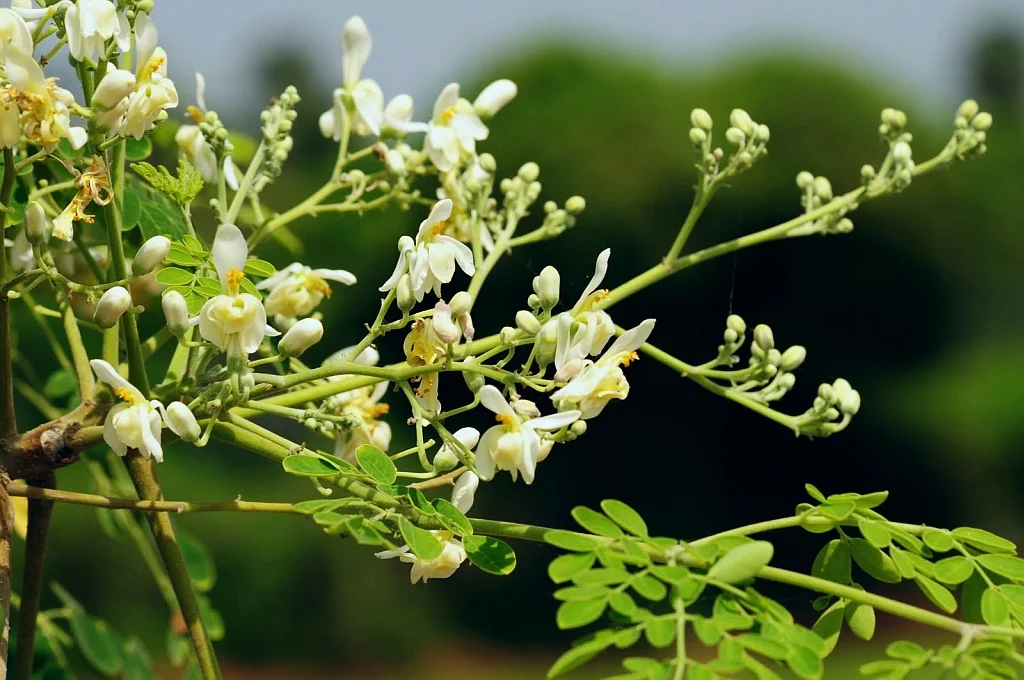
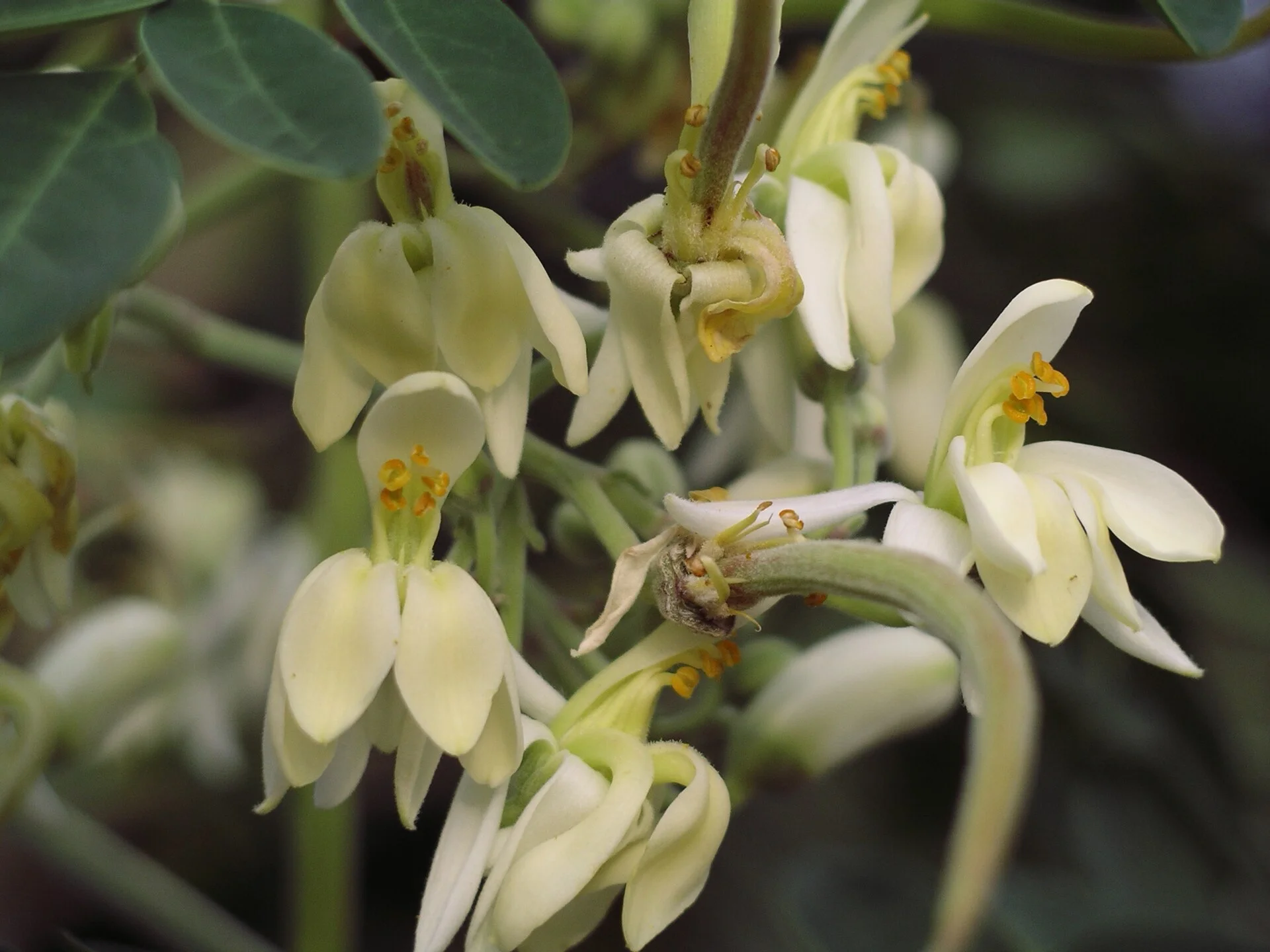
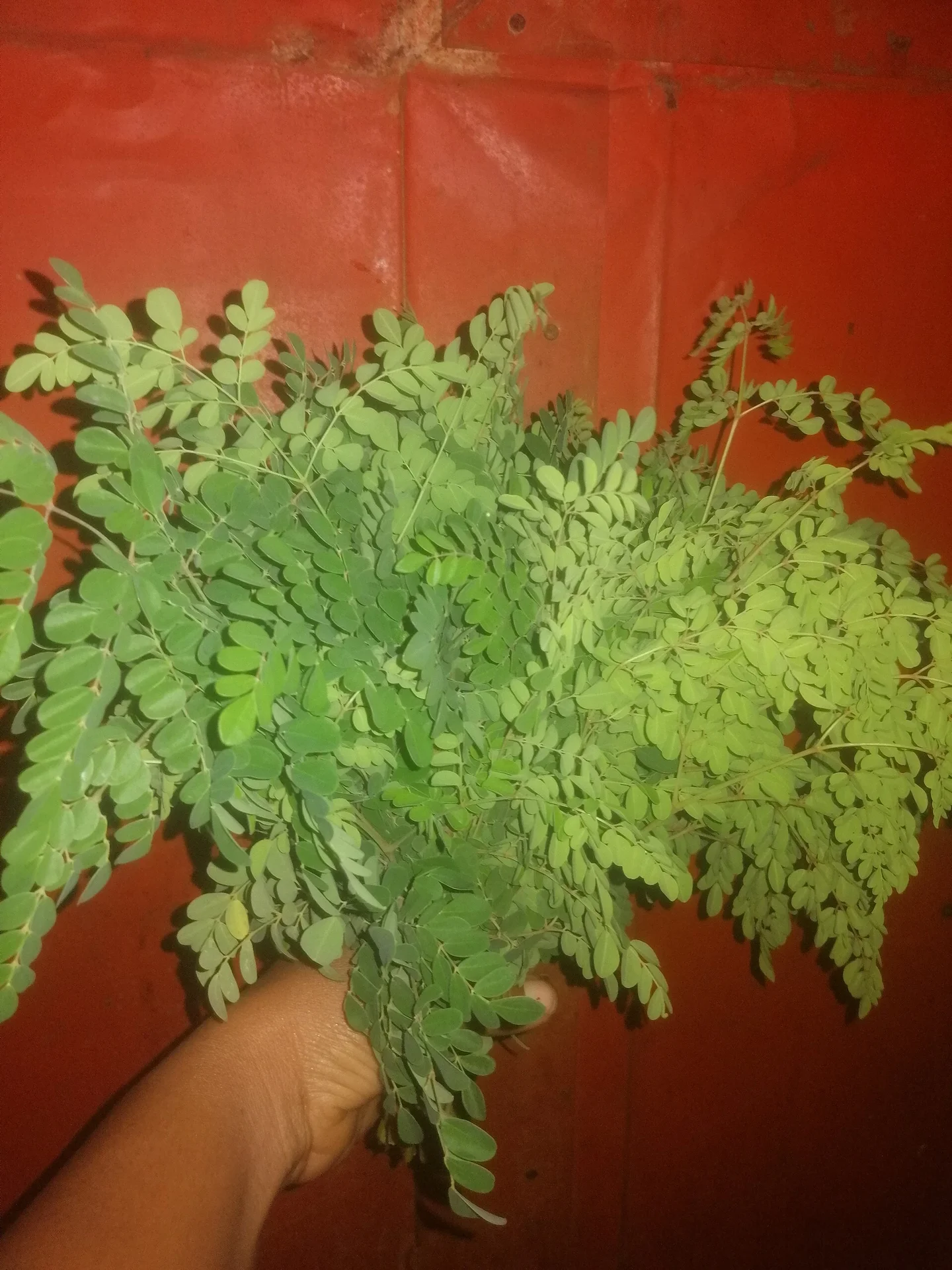
In the arid landscapes of the tropics, a resilient canopy of feathery green emerges, offering both sustenance and shade. Moringa oleifera thrives where other vegetation struggles, requiring minimal water while delivering unparalleled nutritional value. This remarkable tree has earned the moniker 'miracle tree' due to its ability to support human health in some of the world's most challenging climates.
Native to the foothills of the Himalayas, the drumstick tree has spread across tropical and subtropical regions globally. It is highly valued not only for its edible parts but also for its rapid growth and profound utility. From water purification to traditional medicine, almost every part of the plant serves a vital purpose.
Whether cultivated in a sprawling agricultural plantation or a sunny backyard garden, this species adapts with ease. Its graceful, drooping branches and fragrant flowers add an elegant ornamental touch to its practical benefits.
Moringa oleifera is a fast-growing, deciduous tree that can reach heights of 10 to 12 meters. Its trunk is characterized by whitish-grey bark covered with thick cork, while the canopy consists of fragile, drooping branches. The striking foliage is tripinnate and feathery, creating a light, airy appearance.
The tree produces fragrant, hermaphroditic flowers that are yellowish-white with lightly veined petals. These blooms are borne on slender, hairy stalks in spreading or drooping clusters. Following successful pollination, the plant yields distinctive three-sided, elongated brown capsules that can grow up to 45 centimeters long.
Inside these pendulous pods lie dark brown, globular seeds. Each seed is uniquely equipped with three whitish, papery wings that aid in wind and water dispersal. The deep taproot system allows the plant to access moisture far below the surface, securing its survival during extended dry periods.
Blooms profusely in late spring and early summer, though it can flower year-round in constant tropical warmth.
Full sun (at least 6-8 hours of direct sunlight daily)
Drought-tolerant; water moderately, allowing soil to dry out completely between waterings
Thrives in warm climates (25-35°C); highly sensitive to frost and freezing temperatures
Adaptable to varying humidity levels, but prefers arid to moderately humid conditions
Non-toxic to humans and pets; leaves, pods, and seeds are widely consumed
The applications of Moringa oleifera span across culinary, medicinal, and environmental fields. The highly nutritious leaves are a staple in many tropical diets, often cooked like spinach or dried and ground into a vitamin-rich powder. The immature seed pods, known as drumsticks, are a popular ingredient in South Asian curries and stews.
In traditional Ayurvedic medicine, various parts of the tree are used to treat ailments ranging from inflammation to digestive issues. The seeds hold significant environmental importance, as they contain natural coagulants that can effectively purify turbid water. Additionally, the seeds yield 'ben oil,' a high-quality oil used in cooking, cosmetics, and even as a lubricant for fine machinery.
The historical and cultural significance of Moringa oleifera is as rich as its nutritional profile. Ancient Egyptians utilized the ben oil extracted from its seeds in their cosmetic preparations and for protecting their skin against the harsh desert environment. The tree's fast growth rate is truly astonishing, as it can grow up to 3 meters in its first year alone.
Interestingly, the roots of the tree have a pungent flavor remarkably similar to true horseradish, which led to one of its popular common names. In many African communities, the plant is cultivated as a living fence that provides both security and a steady food supply. Despite its delicate appearance, the tree's resilience allows it to regrow vigorously even after severe pruning.
While Moringa oleifera is primarily grown from seed with significant genetic diversity, several improved cultivars have been developed for commercial agriculture. These varieties are selected for optimal pod yield, leaf production, or seed oil content.
Taxon Synonyms: Moringa moringa, Moringa amara, Moringa sylvestris, Moringa octogona, Moringa edulis, Guilandina moringa, Moringa nux-eben, Hyperanthera moringa, Hyperanthera decandra, Moringa polygona, Moringa domestica, Moringa erecta, Moringa parvifolia, Moringa zeylanica, Moringa robusta, Moringa pterygosperma
Moringa hildebrandtii
An extraordinary water-storing tree endemic to Madagascar, extinct in the wild but preserved through traditional …

Moringa peregrina
Moringa peregrina is a resilient desert tree native to the Red Sea region and Arabian …

Moringa arborea
A rare, drought-resistant tree native to the arid regions of Kenya and Ethiopia, known for …

Moringa ovalifolia
Moringa ovalifolia, also known as the ghost tree, is a unique succulent tree native to …