Homalolepis trichilioides: Brazilian Endemic Species Guide
Endemic to the diverse biomes of Brazil, Homalolepis trichilioides represents the rich flora of the Atlantic Forest and the Cerrado savanna. This species is native to several Brazilian states, including Bahia, Minas Gerais, Rio de Janeiro, and Espírito Santo. Its specific epithet, trichilioides, highlights its resemblance to members of the Meliaceae genus Trichilia.
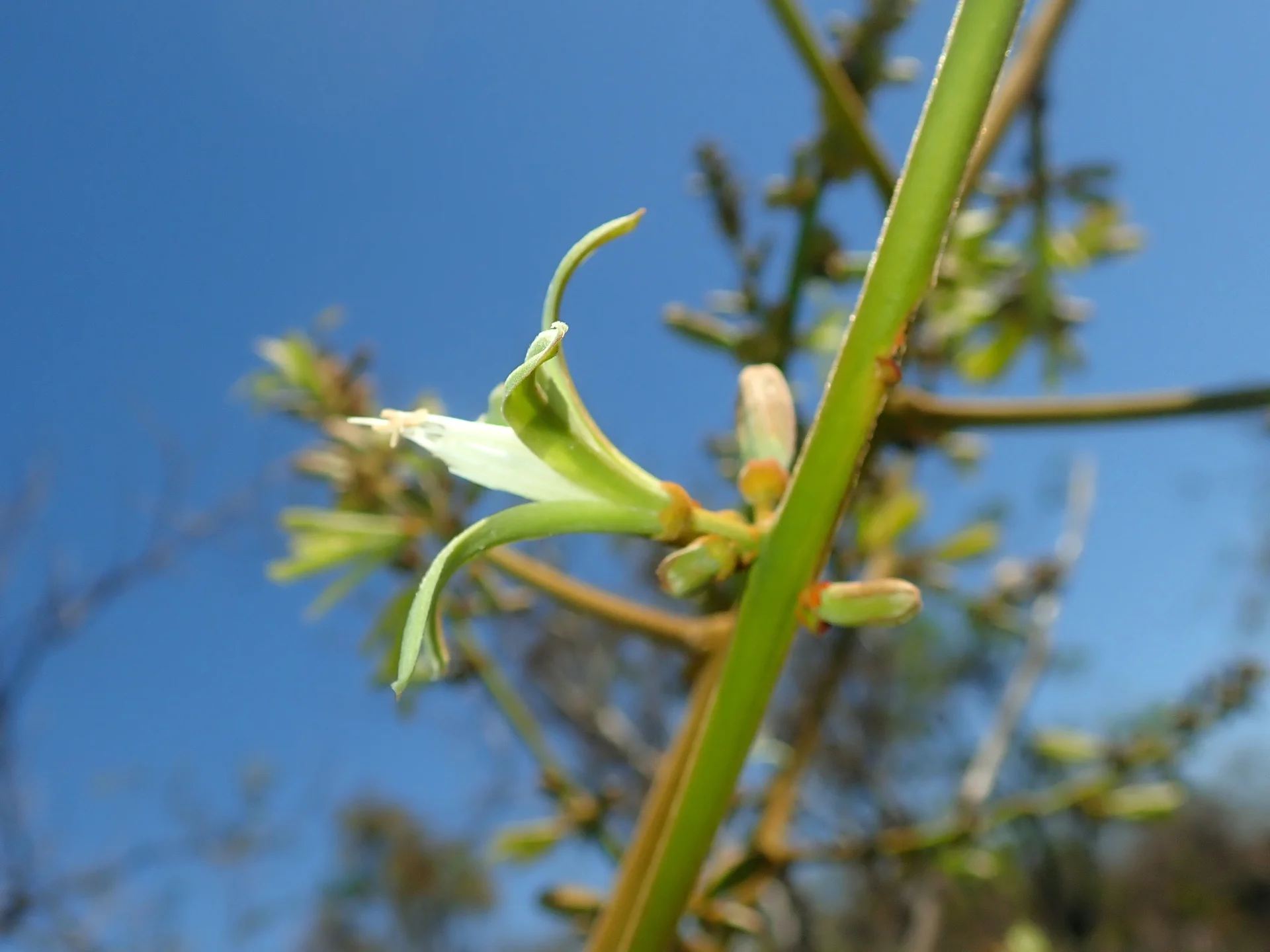
This species occurs as a woody shrub or small tree adapted to tropical conditions. The leaves are pinnately compound, characterized by leaflets that resemble those of the genus Trichilia. Small, inconspicuous flowers are organized in clustered inflorescences, adapted for pollination by small insects.
Its fruit consists of small drupes that dry upon maturity, typical of the genus Homalolepis. Like many other members of the Simaroubaceae family, the tissues of this plant contain quassinoids, which give it a bitter taste. These chemical compounds act as a natural defense mechanism against herbivores.
Applications
Although not widely cultivated, this plant plays an important role in local ecosystems and biodiversity conservation. The presence of bitter quassinoids makes the species a subject of interest for phytochemical research. Scientists study these compounds to discover potential organic pesticides or medicinal agents.
Ecological value: Serves as a host and food source for native insects in the Cerrado and Atlantic Forest.
Phytochemical research: Investigated for its secondary metabolites and biological activities.
Interesting facts
The species was officially transferred to the resurrected genus Homalolepis in 2018 by botanists Marcelo Fernando Devecchi and José Rubens Pirani.
Its native habitats in the Atlantic Forest and Cerrado are highly threatened, making the protection of wild populations crucial for the survival of the species.
Before the 2018 revision, this taxon was classified under the genus Simaba as Simaba trichilioides.
Geography of distribution
Brazil
Sources
Plants of the World Online (POWO): Flora database of the Royal Botanic Gardens, Kew.
Flora e Funga do Brasil: Official catalog of Brazilian plant species.
Global Biodiversity Information Facility (GBIF): Global biodiversity database.