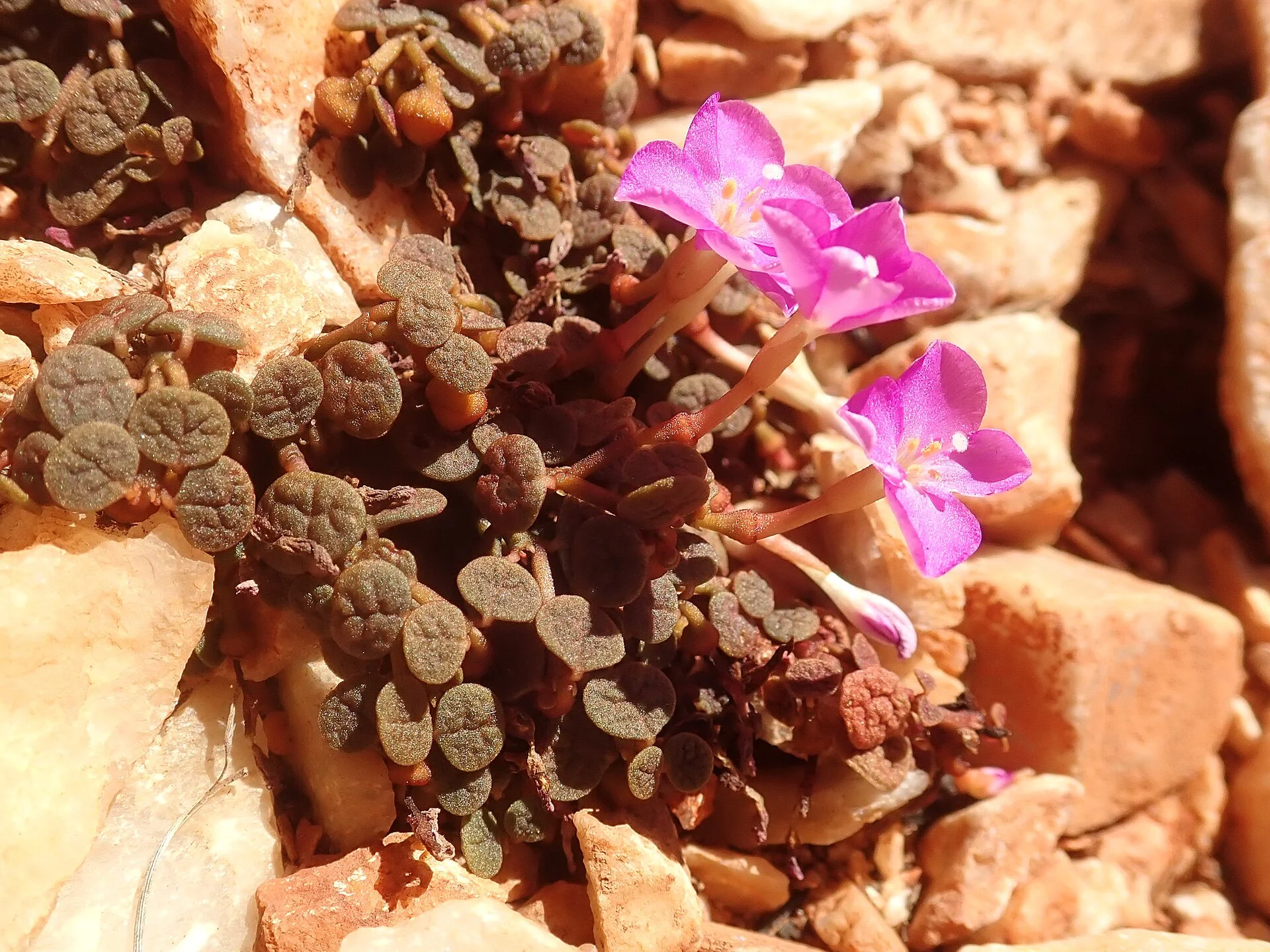
Arid mountain ranges in central Australia provide the primary habitat for the resilient succulent genus Sedopsis. These plants are often found in mountainous national parks, clinging to skeletal soils on steep slopes.
Their specialized survival strategies allow them to endure extreme temperature fluctuations. They are an integral part of the fragile upland desert ecosystems.
Members of this genus are small succulent herbs that form low-growing tufts or cushions. Their leaves are fleshy, narrow, and clustered, designed to minimize water loss under intense sunlight.
The flowers are typically small and bloom near the stem tips, featuring bright petals that attract specialized desert pollinators. Their root systems are fibrous and shallow, allowing rapid absorption of moisture from brief rainfall events.
Applications
Due to their highly specialized habitat requirements and wild nature, these plants have limited commercial applications. They are primarily valued for ecological stabilization in fragile desert environments and are occasionally studied for their drought-resistance mechanisms.
Interesting facts
Specimens of this genus are frequently observed near mountain summits and ridge lines, such as Brinkley Bluff in Australia.
Their succulent foliage allows them to survive in areas with extreme temperature fluctuations and minimal annual precipitation.