Thriving in the diverse ecosystems of Brazil, Simarouba versicolor serves as a prominent canopy component in the Cerrado and Caatinga biomes. It is widely recognized in South America for both its ecological importance and its traditional uses.
The tree adapts well to nutrient-poor soils and seasonal drought conditions. It forms an integral part of dry forest communities across central and northeastern regions of the country.
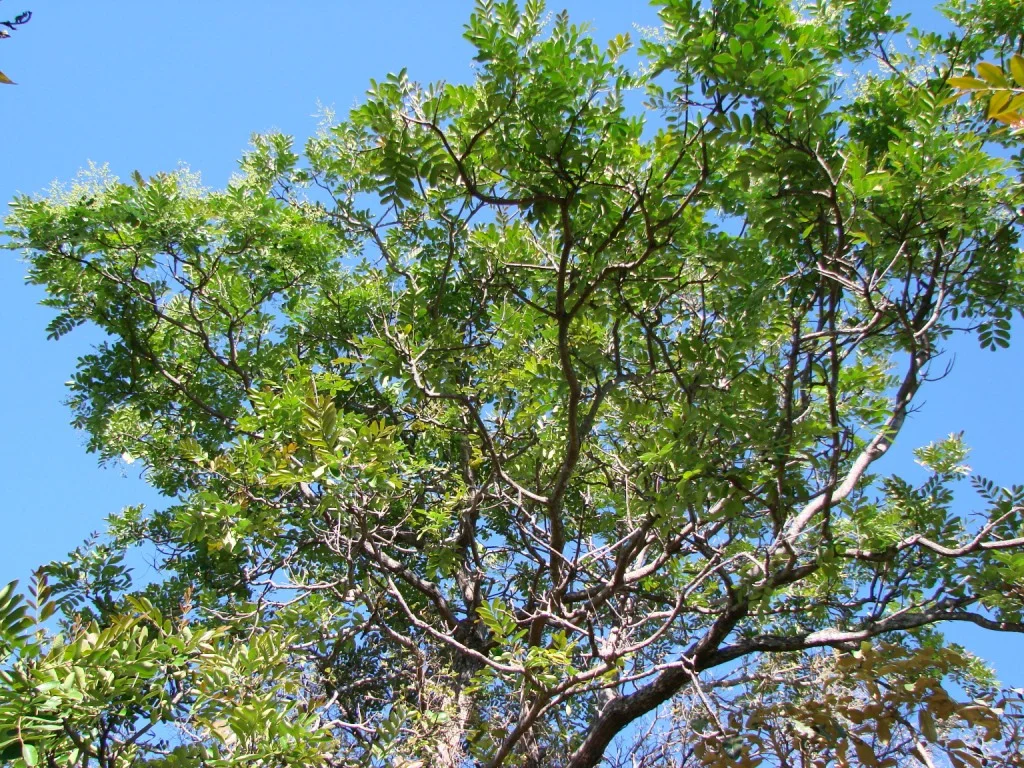
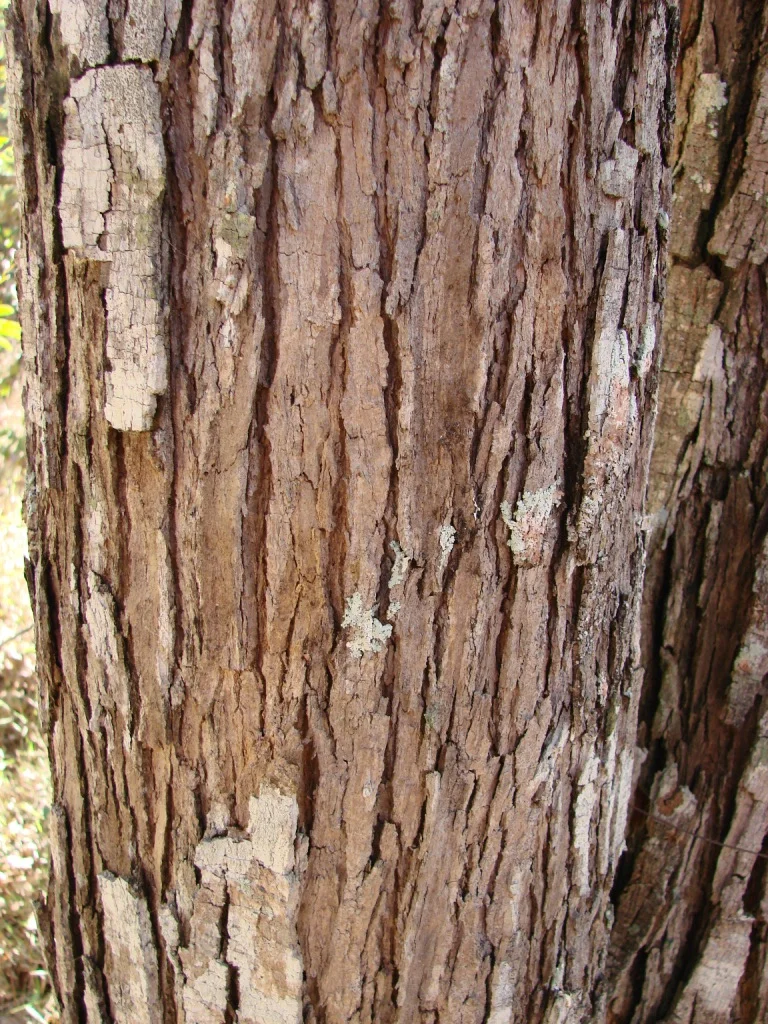
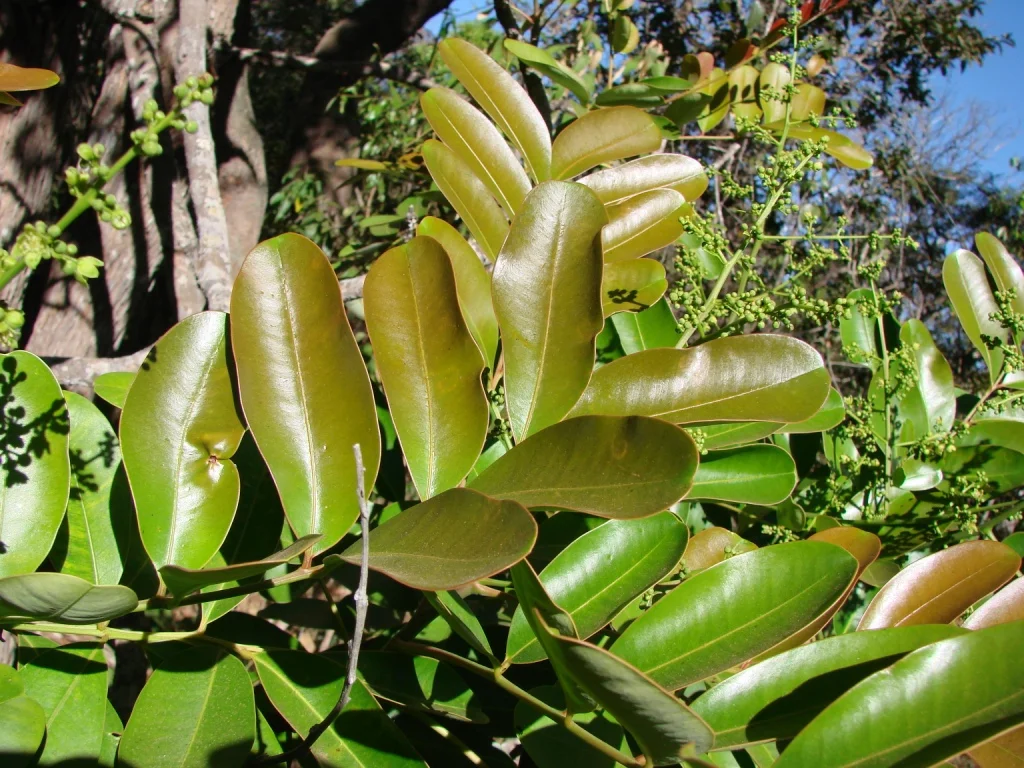
This tree typically reaches a height of 10 to 15 meters, featuring a straight trunk and a rounded crown. The leaves are alternate and pinnately compound, with numerous dark green, glossy leaflets.
Its small, pale yellow or greenish flowers are clustered in large terminal panicles. The flowering phase coincides with the dry season to maximize pollination efficiency by wind and insects.
The fruit is a smooth, oval drupe that matures to a dark purple or black color. Each drupe contains a single seed surrounded by a thin layer of pulp.
Flowering season
Dry season, typically from June to September
Jan
Feb
Mar
Apr
May
Jun
Jul
Aug
Sep
Oct
Name
Dec
Applications
The bark of the tree is rich in quassinoids and is widely used in traditional Brazilian medicine. Extracts are prepared as infusions to treat malaria, intestinal parasites, and indigestion.
Its lightweight, light-colored wood is popular for manufacturing paper pulp, lightweight boxes, toys, and matches. It is favored because it is easy to cut, shape, and dry.
Interesting facts
The common name praíba or parahyba is widely used by locals in northeastern Brazil to identify this tree.
Its bark is exceptionally bitter, which protects the tree from wood-boring pests and large herbivores.