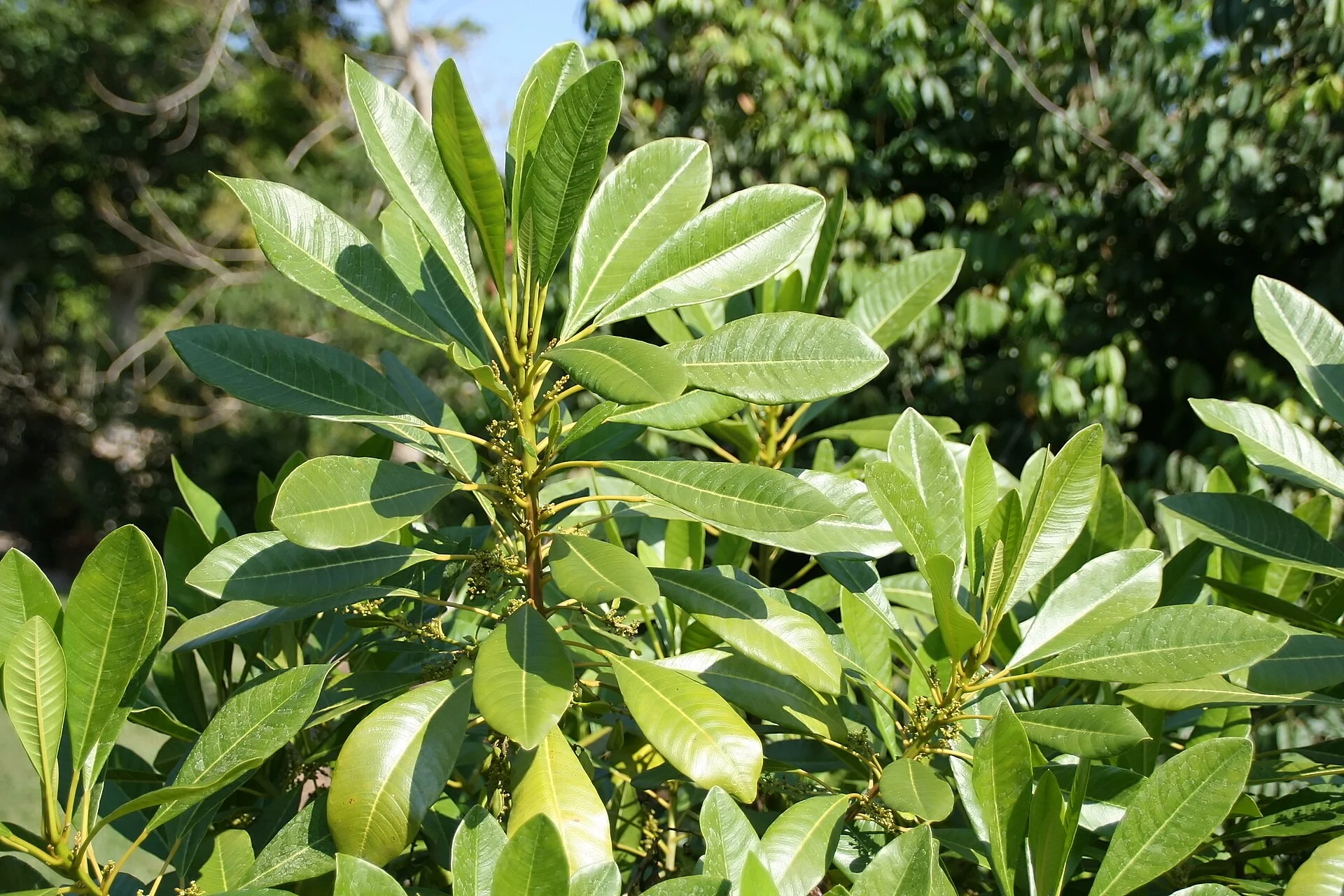
Bitter Soulamea (Soulamea amara)

Soulamea amara – Bitter Coastal Shrub of the Indo-Pacific

Inhabiting sandy beaches and coral reefs across the Indo-Pacific, Soulamea amara plays a key role in coastal ecosystems. This hardy woody plant belongs to the bitter-wood family, Simaroubaceae. It is well-adapted to saline conditions and poor soils near the ocean.

The species spans a wide geographical range from Borneo to the Marshall Islands. Naturalists and local communities have long recognized its distinctive bitter properties.

Taxonomy

  • царство Plantae
  • division Tracheophytes (Vascular Plants)
  • subdivision Spermatophytes (Seed plants)
  • Angiosperms
  • mesangiosperms (Core angiosperms)
  • eudicots
  • Superrosids
  • rosids
  • malvids
  • order Sapindales
  • family Simaroubaceae (Quassia family)
  • genus Soulamea (Soulamea Tree)
  • species Soulamea amara (Bitter Soulamea)

Living Pulse

Morphology

Soulamea amara typically develops as a robust shrub or a small tree. While it usually reaches heights of up to 5 meters, exceptional specimens can grow up to 15 meters tall.

Its vegetative and reproductive structures include:

  • Leaves: Oblong to obovate in shape, reaching impressive lengths of up to 35 centimeters and widths of 12 centimeters.
  • Inflorescences: Spikes or racemes that measure up to 12 centimeters long, bearing numerous small flowers.
  • Fruits: Dry, winged structures featuring a remarkably hard, woody pericarp that protects the seed during water dispersal.

Applications

Traditional communities throughout the Pacific islands utilize Soulamea amara for its pharmacological properties. The active bitter compounds are concentrated in the roots and fruits.

Key applications include:

  • Traditional Medicine: Decocting the roots or fruits to treat respiratory illnesses, digestive disorders, and skin infections.
  • Emetic Agent: Administering the highly bitter fruits to induce vomiting in cases of poisoning or severe indigestion.
  • Coastal Stabilization: Planting along shorelines to prevent sand erosion and withstand tropical storm surges.

Interesting facts

The ecological and chemical profile of this plant offers several fascinating details:

  • Extreme Bitterness: The specific epithet amara translates directly to 'bitter', reflecting the high concentration of bitter quassinoid compounds.
  • Oceanic Dispersal: Its seeds are wrapped in a buoyant, hard pericarp, allowing them to float across ocean currents to colonize distant islands.
  • IUCN Assessment: It is classified as Least Concern due to its vast distribution, though coastal development threatens local populations.

Geography of distribution

  • Malaysia
  • Indonesia
  • Papua New Guinea
  • Solomon Islands
  • Federated States of Micronesia
  • Marshall Islands
  • Vanuatu
  • Palau

Sources

  • Plants of the World Online (POWO)
  • IUCN Red List of Threatened Species
  • Missouri Botanical Garden (Tropicos)
  • Germplasm Resources Information Network (GRIN)

Technical Information

External Databases: GBIF, POWO, Tropicos

See also

True Araucarias

True Araucarias

Araucaria sect. Araucaria

Araucaria sect. Araucaria is a botanical section of evergreen conifers native to South America. It …