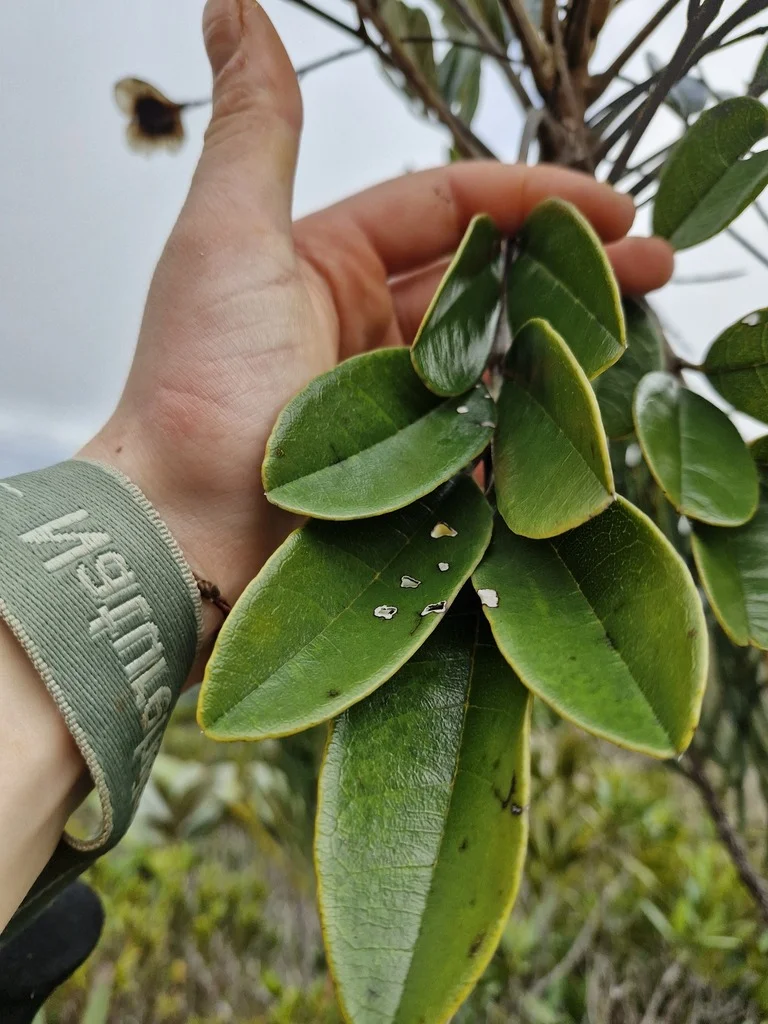
Soulamea Tree (Soulamea)

Soulamea: Botanical Characteristics and Distribution

Scattered across the islands of Malesia and the expansive western Pacific Ocean, the genus Soulamea encompasses approximately 14 accepted species of shrubs and small trees. These members of the Simaroubaceae family are an integral part of the flora in regions ranging from the Seychelles and Borneo to New Caledonia, Fiji, and the Solomon Islands. The diverse island habitats have fostered a variety of species, such as Soulamea fraxinifolia and Soulamea terminalioides, each adapted to its specific ecological niche.

Taxonomy

  • царство Plantae
  • division Tracheophytes (Vascular Plants)
  • subdivision Spermatophytes (Seed plants)
  • Angiosperms
  • mesangiosperms (Core angiosperms)
  • eudicots
  • Superrosids
  • rosids
  • malvids
  • order Sapindales
  • family Simaroubaceae (Quassia family)
  • genus Soulamea (Soulamea Tree)

Living Pulse

Morphology

Plants in the Soulamea genus typically develop as woody shrubs or modestly sized trees. A notable botanical feature of this group is their reproductive structure; while the vast majority of species are dioecious, bearing male and female flowers on separate plants, Soulamea amara stands out as an exception by producing bisexual flowers. This structural divergence within the same genus presents a fascinating subject for morphological and evolutionary studies.

Interesting facts

Among the various species, Soulamea amara is particularly noteworthy for its deviation from the genus's standard reproductive strategy, being the only member to develop bisexual flowers.

Geography of distribution

  • Seychelles
  • Indonesia
  • Malaysia
  • Papua New Guinea
  • New Caledonia
  • Solomon Islands
  • Vanuatu
  • Fiji

Natural varieties

Sources

  • Plants of the World Online (POWO)
  • Catalogue of Life
  • Tropicos

Technical Information

Taxon Synonyms: Amaroria

External Databases: GBIF, POWO, Tropicos

See also

Paradise tree

Paradise tree

Simarouba

A genus of neotropical trees and shrubs famous for their lightweight timber and therapeutic bark.