Soulamea terminalioides: Endemic Plant of the Seychelles
Clinging to the rugged granite slopes and pristine coastal forests of the Seychelles, a rare botanical treasure whispers secrets of ancient island isolation. This woody species, known scientifically as Soulamea terminalioides, stands as an evolutionary relic within the Simaroubaceae family.
Found nowhere else on Earth, the plant has adapted to the unique microclimates of these granitic islands over millennia. However, habitat degradation and invasive species now threaten the survival of Soulamea terminalioides in its native range.
Botanists value this species highly for its biogeographical significance and role in island ecology. Protecting its remaining wild populations is crucial for maintaining the delicate biodiversity of the Seychelles archipelago.
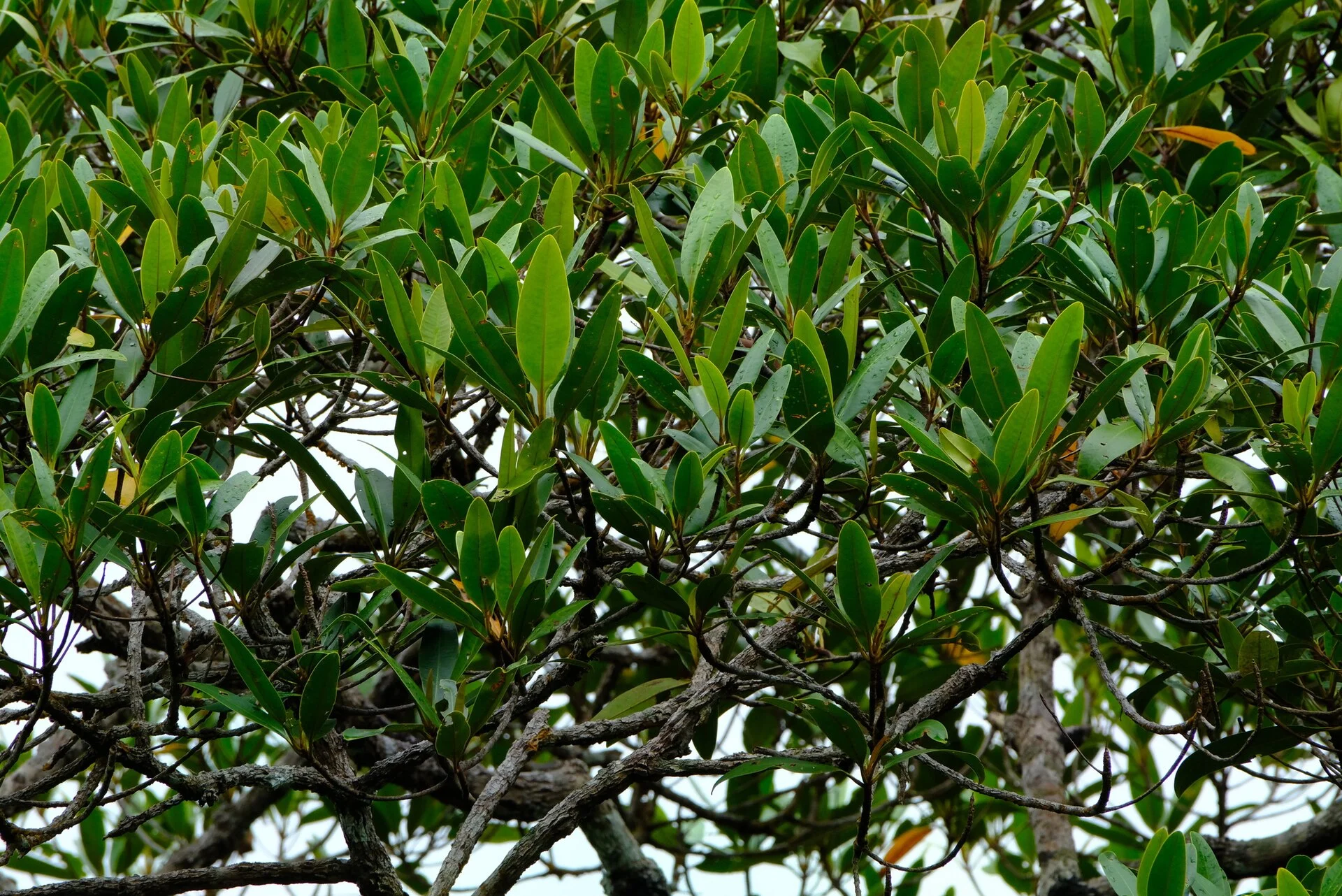
Soulamea terminalioides typically grows as a small evergreen shrub or slender tree. Its branches are sturdy, marked by the scars of fallen leaves, and carry a distinct foliage arrangement.
The leaves of this species display characteristic features:
Arrangement: They are alternately arranged but heavily clustered at the terminal ends of the branchlets, mimicking the growth habit of Terminalia.
Shape and Texture: Each leaf blade is obovate-oblong or oblanceolate, leathery (coriaceous) in texture, with an entire margin and a rounded or slightly emarginate apex.
Venation: The pinnate venation is prominent on the underside, aiding in moisture transport under coastal conditions.
The reproductive structures are adapted to island pollination mechanisms:
Inflorescence: Small flowers are arranged in slender axillary spikes or racemes that arise from the leaf axils.
Flowers: The flowers are unisexual or polygamous, greenish-white, and structurally simplified with small sepals and petals.
Fruit: The resulting fruit is a dry, compressed, two-winged capsule or drupe, which is aerodynamically shaped to assist in localized seed dispersal.
Interesting facts
The historical and ecological record of Soulamea terminalioides highlights several notable aspects:
Scientific Discovery: The species was first documented for science by the renowned botanist John Gilbert Baker in 1877, published in his seminal work on the flora of Mauritius and the Seychelles.
Island Endemism: As an endemic species of the Seychelles, it represents a unique evolutionary lineage that developed in isolation from mainland African flora.
Conservation Alert: The International Union for Conservation of Nature (IUCN) lists the species as Vulnerable, emphasizing the fragile state of its small, isolated populations.
Geography of distribution
Seychelles
Sources
Govaerts, R. et al. (2020). Soulamea terminalioides in Plants of the World Online (POWO). Royal Botanic Gardens, Kew.
World Flora Online (WFO). Soulamea terminalioides Baker.