Brucea Genus: Botany, Medicinal Uses, and Characteristics
Flowering shrubs and small trees of the genus Brucea inhabit tropical and subtropical regions of the Old World. Named after the Scottish traveler James Bruce, these plants are highly regarded in both traditional medicine and modern pharmacology.
They produce highly bitter compounds known as quassinoids, which defend them against herbivores. These chemicals have attracted significant interest from cancer researchers worldwide.
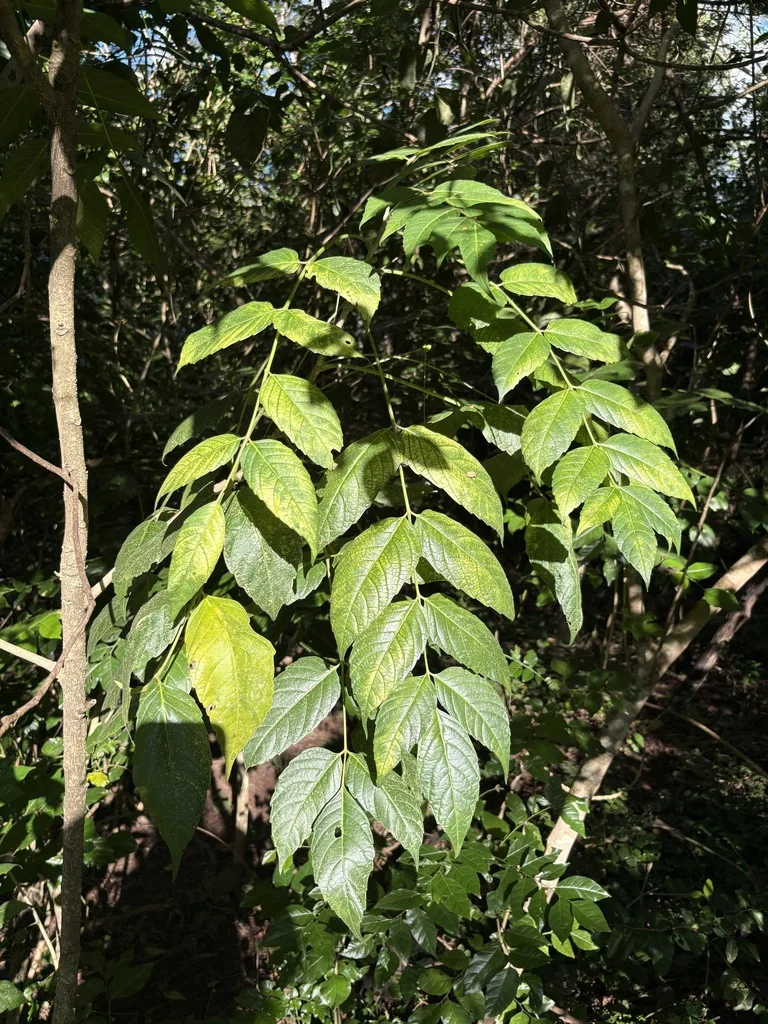
Members of this genus typically grow as evergreen shrubs or small, slender trees. Their leaves are arranged alternately and are odd-pinnate, consisting of several pairs of leaflets with a terminal one.
The flowers are extremely small, inconspicuous, and clustered in axillary panicles or spike-like thyrses. Individual flowers are mostly unisexual, featuring four sepals and four petals.
The fruit is a small, drupaceous structure that turns dark brown or black when fully ripe. Each drupe contains a single seed rich in active chemical constituents.
Applications
The primary value of the genus lies in its extensive medicinal applications. Historically, species like Brucea javanica and Brucea antidysenterica have been utilized in traditional medicine to treat amoebic dysentery and malaria.
Modern pharmacological investigations focus on:
Antiparasitic action: Quassinoids like bruceantin show potent activity against malaria-causing parasites.
Anticancer potential: Extracts are studied for their cytotoxic effects against various tumor lines.
Agricultural use: The bitter extracts serve as natural insect repellents for crop protection.
Interesting facts
The botanical name honors James Bruce, a celebrated 18th-century Scottish explorer who traced the source of the Blue Nile. During his African travels, he documented how local healers used these plants to cure severe dysentery.
The extreme bitterness of all plant parts acts as a highly effective natural defense system. It deters most grazing animals and destructive insects from feeding on the foliage.