
Theobroma Bicolor Benefits & Taste: The Rise of Macambo Bean Chocolate
Discover the extraordinary Theobroma bicolor benefits and rich taste profile. Learn how macambo bean chocolate is crafted and added to modern healthy diets.
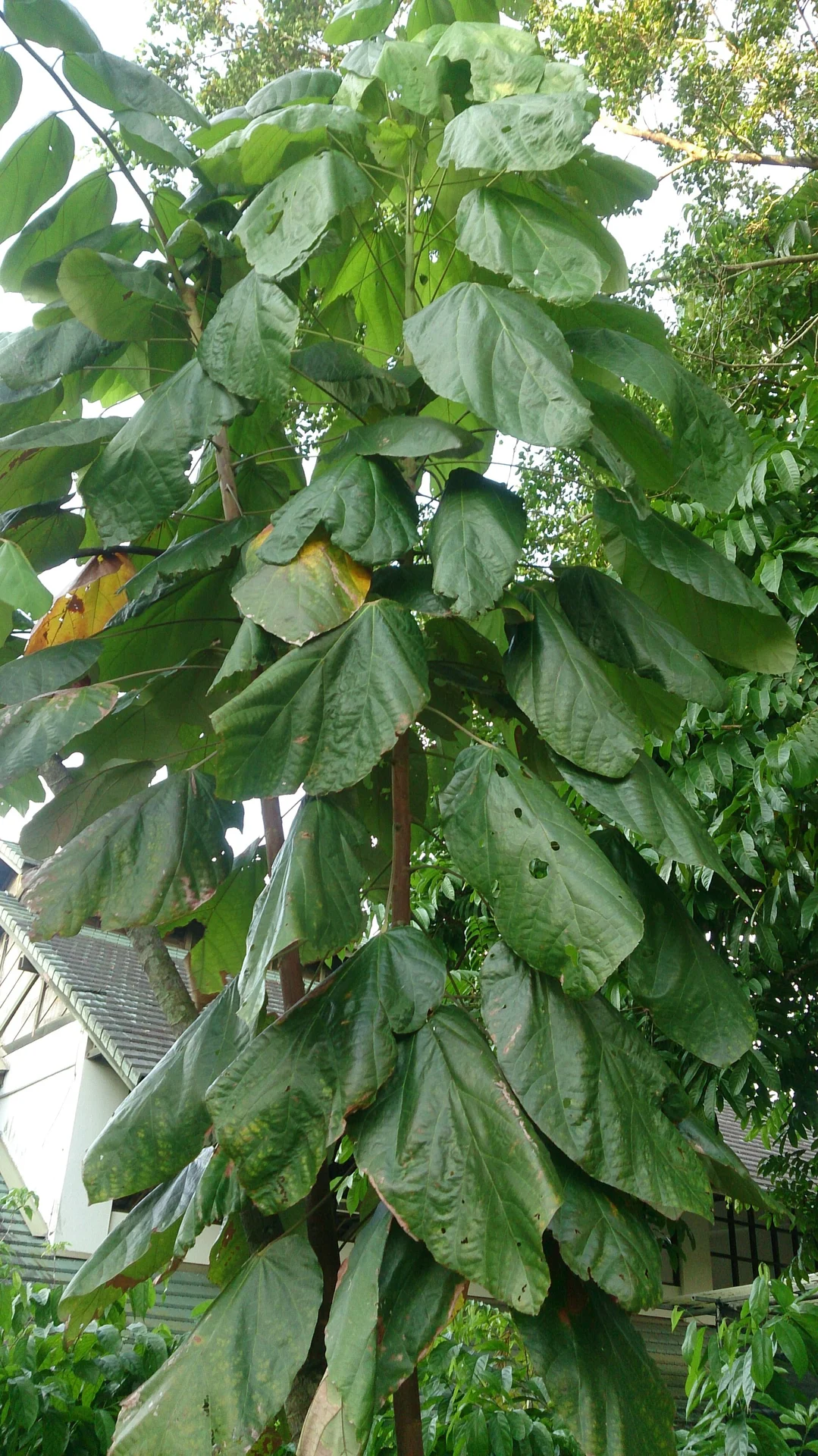
Deep within the understory of the Mesoamerican rainforests, a remarkable relative of the cocoa tree thrives, historically revered for its unique foaming qualities in ancient drinks. This underappreciated species, known scientifically as Theobroma bicolor, was once cultivated by the Aztecs and Maya alongside traditional cacao.
While the Spanish conquistadors initially dismissed the tree's seeds as inferior, indigenous cultures highly valued the rich, stable foam they produced. Today, Theobroma bicolor is celebrated for its sweet pulp and nutritious, caffeine-bearing seeds.
Theobroma bicolor is a slow-growing tree exhibiting distinct growth forms depending on its environment. In open agricultural fields, it typically reaches a height of 3 to 8 meters, whereas in the dense understory of tropical forests, it can stretch to a height of 25 to 30 meters.
The large, alternate leaves are oblong or ovate, measuring 20 to 36 centimeters in length and 8 to 17 centimeters in width. They feature an acute apex and a rounded or subcordate base, with a smooth upper surface and a densely velvety, grayish underside.
The inflorescences are multi-flowered axillary clusters showcasing small, red flowers with rounded, pubescent petals. The resulting woody fruit is ellipsoidal, measuring approximately 13 centimeters long and 8 centimeters wide, characterized by 10 prominent ribs and a strongly reticulated intercostal surface.
The tree typically produces flowers from July to September.
The culinary applications of Theobroma bicolor are diverse and deeply rooted in Mesoamerican traditions. The sweet, mild pulp surrounding the seeds can be consumed fresh or used to make jams and beverages.
The seeds themselves are rich in protein, dietary fiber, and omega-9 fatty acids, and they contain moderate amounts of caffeine and theobromine. They are traditionally toasted, salted, and eaten like peanuts, or incorporated into traditional soups and stews.
Historically, the seeds were combined with maize and cacao to produce foaming ceremonial drinks such as tejate, tiste, and pinole. In addition to food, the durable, woody seed pods are often hollowed out and utilized as functional containers or plant pots.
The rich history of Theobroma bicolor is intertwined with ancient Mesoamerican mythology and tribute systems. The tree and its products are mentioned in sacred texts, including the Mayan epic Popol Vuh and the Chilam Balam.
Taxon Synonyms: Tribroma bicolor, Cacao bicolor, Theobroma ovatifolium
Discover the extraordinary Theobroma bicolor benefits and rich taste profile. Learn how macambo bean chocolate is crafted and added to modern healthy diets.

Discover the true cold hardiness thresholds of the Theobroma bicolor plant. Master microclimate strategies, root insulation, and winter care for growing Mocambo trees.

Theobroma cacao
Theobroma cacao, commonly known as the cacao or cocoa tree, is a tropical evergreen species …

Theobroma grandiflorum
A tropical rainforest tree related to cacao, native to the Amazon basin. It is widely …

Theobroma mammosum
A tall tropical forest tree from Central America known for its unique cylindrical-oblong fruits with …

Theobroma speciosum
An abundant Amazonian tree famous for its beautiful red flowers blooming on the trunk and …