
Ashwagandha
Withania somnifera
Withania somnifera, commonly called ashwagandha or Indian ginseng, is a resilient Solanaceae shrub famed for …
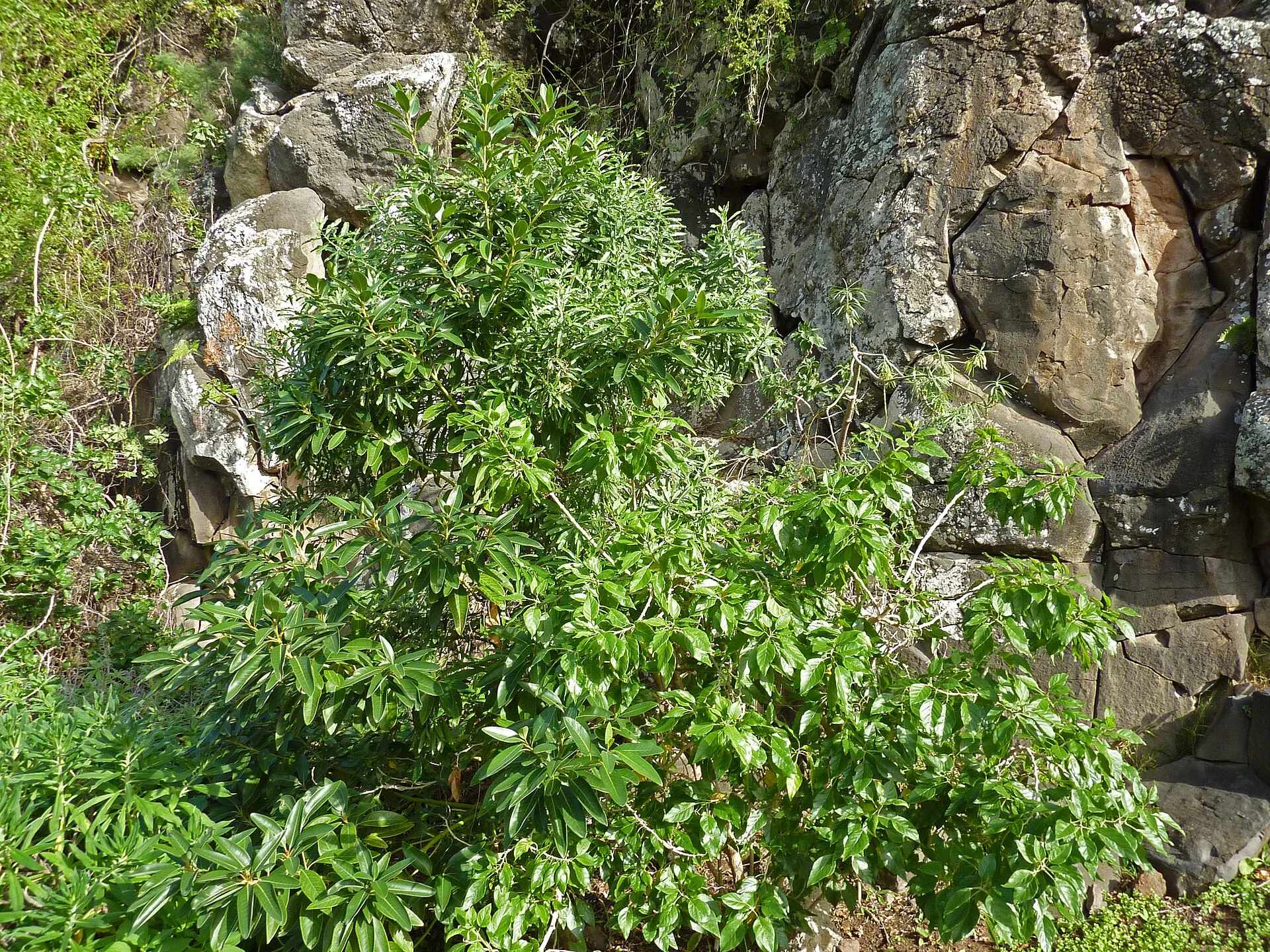
Thriving in the dry ravines and thermophilic forests of the Canary Islands, the evergreen shrub Withania aristata has been recognized for centuries for its ecological significance and ethnobotanical applications. This resilient species, commonly known as orobal, is also native to parts of North Africa.
Historically, naturalists such as Viera y Clavijo documented its usage in traditional remedies. The plant plays an essential role in the local ecosystems, supporting various avian populations that feed on its berries.
This species develops as a robust shrub, reaching heights of up to 2 meters. The bark is characteristically rugose, with coloration ranging from green to brown or light gray. Its branches host leaves that can measure up to 14 cm in length.
Key morphological features include:
The ethnobotanical history of this species is rich, particularly in the Canary Islands where it is regarded as a valuable medicinal plant. Traditional applications utilize almost all parts of the shrub, except for the roots.
Local birds, particularly the Blackcap (Sylvia atricapilla), feed on the ripe berries of the shrub with great pleasure, contributing to seed dispersal. Additionally, historical texts describe the creation of a medicinal wine by fermenting four parts of grape must with one part of these berries.
Withania somnifera
Withania somnifera, commonly called ashwagandha or Indian ginseng, is a resilient Solanaceae shrub famed for …

Withania frutescens
A heavily branched Mediterranean evergreen shrub featuring tortuous woody stems, heart-shaped leaves, and green-to-red berries …

Withania coagulans
A small gray-white shrub native to South Asia and the Middle East, renowned for its …

Withania riebeckii
A resilient wild shrub in the family Solanaceae, endemic to the Socotra Archipelago of Yemen …