
Ashwagandha
Withania somnifera
Withania somnifera, commonly called ashwagandha or Indian ginseng, is a resilient Solanaceae shrub famed for …
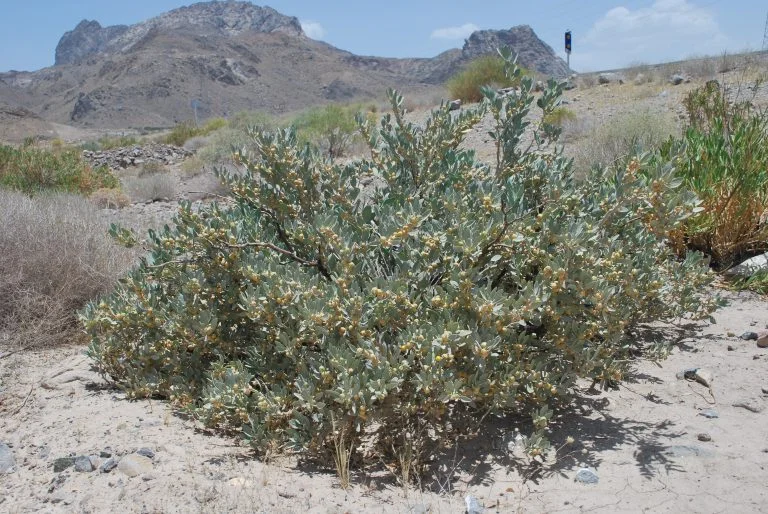
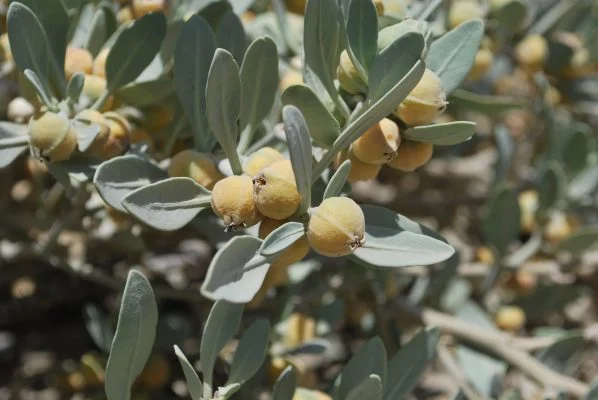
Native to the arid regions of Afghanistan, Pakistan, and the Indian subcontinent, the medicinal shrub Withania coagulans is highly valued in traditional Ayurvedic medicine. Commonly known as paneer dodi or vegetable rennet, this plant is famed for its diverse pharmacological properties.
Beyond its therapeutic applications, the species plays a significant cultural and practical role in local communities. Its berries contain active enzymes capable of coagulating milk, making it a natural agent for traditional cheese production.
This species grows as a small, rigid, greyish-white shrub, typically reaching heights of 60 to 120 cm. The entire plant is covered in dense hairs, giving it a distinctive dusty appearance. Its branches are highly branched and white.
Detailed morphological characteristics include:
Spring to early summer
Withania coagulans has a wide array of applications in both medicine and food technology. Its most notable uses include:
In the Balochistan region of Iran and Pakistan, this evergreen shrub is prized not only for cheese-making but also for ecological conservation, as it helps protect fragile desert soils from wind erosion. Interestingly, the plant is highly susceptible to leaf spot disease caused by the fungal pathogen Alternaria alternata.
Withania somnifera
Withania somnifera, commonly called ashwagandha or Indian ginseng, is a resilient Solanaceae shrub famed for …

Withania frutescens
A heavily branched Mediterranean evergreen shrub featuring tortuous woody stems, heart-shaped leaves, and green-to-red berries …

Withania aristata
An endemic evergreen shrub of the Canary Islands and North Africa, notable for its yellowish-green …

Withania riebeckii
A resilient wild shrub in the family Solanaceae, endemic to the Socotra Archipelago of Yemen …