
Brazilian hackberry
Celtis brasiliensis
A deciduous tree or scrambling shrub in the Cannabaceae family, native to various countries in …
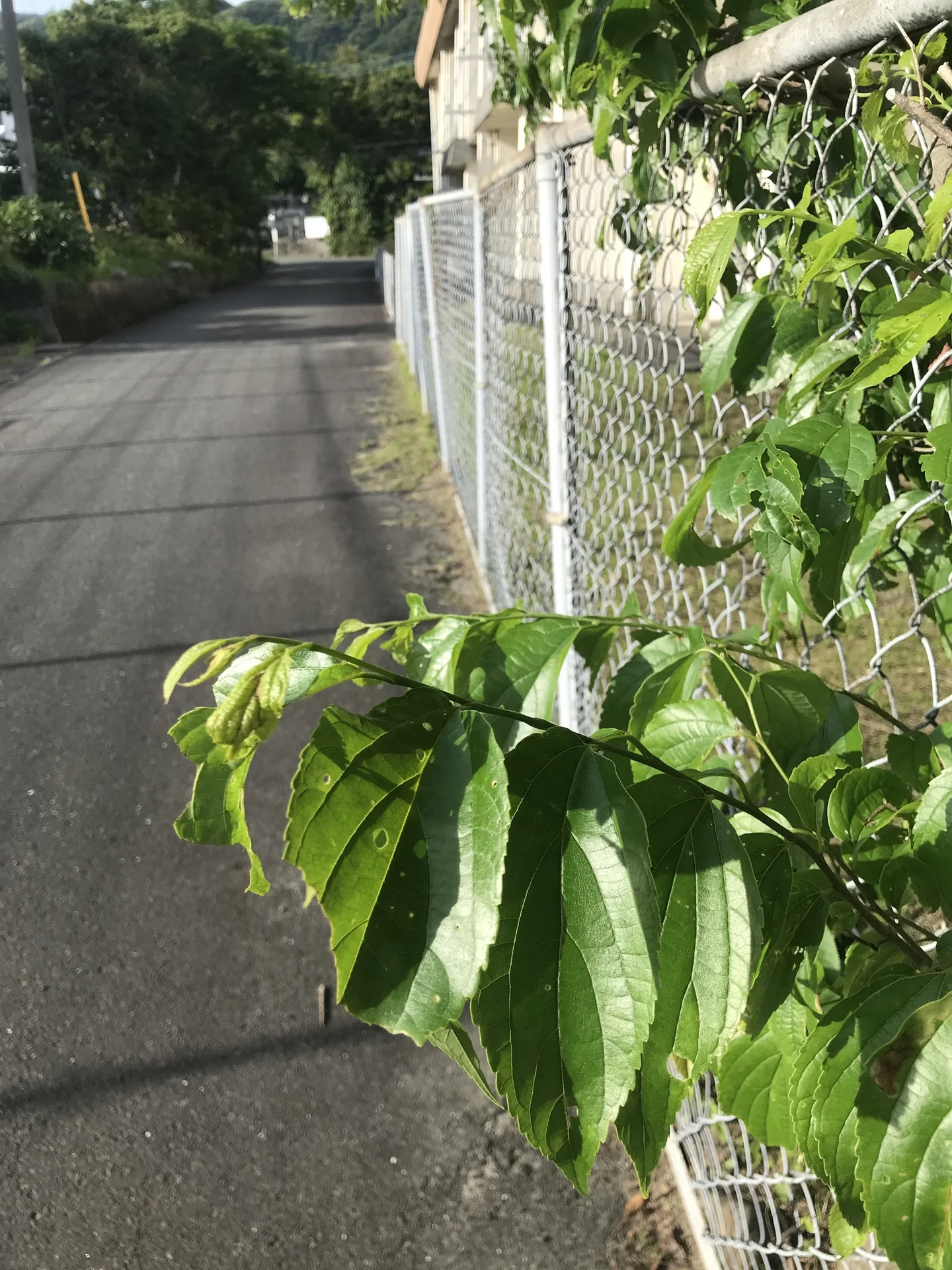
First formally described by the botanist Gen-Iti Koidzumi in 1913, Celtis boninensis possesses intriguing characteristics that define its place within the Cannabaceae family. This botanical entity has absorbed synonyms such as Celtis koidzumii and Celtis liukiuensis throughout its complex nomenclatural history. It demonstrates remarkable evolutionary adaptations tailored to isolated island environments.
The vegetative and reproductive structures of Celtis boninensis reflect its familial lineage and geographic isolation.
As an endemic or regionally restricted species, Celtis boninensis plays a crucial role in sustaining local ecological networks and supporting isolated biodiversity.
Taxon Synonyms: Celtis liukiuensis, Celtis koidzumii
Celtis brasiliensis
A deciduous tree or scrambling shrub in the Cannabaceae family, native to various countries in …

Celtis gomphophylla
A tall tree species in the Cannabaceae family, widespread across sub-Saharan Africa, Madagascar, and the …

