
Brazilian hackberry
Celtis brasiliensis
A deciduous tree or scrambling shrub in the Cannabaceae family, native to various countries in …
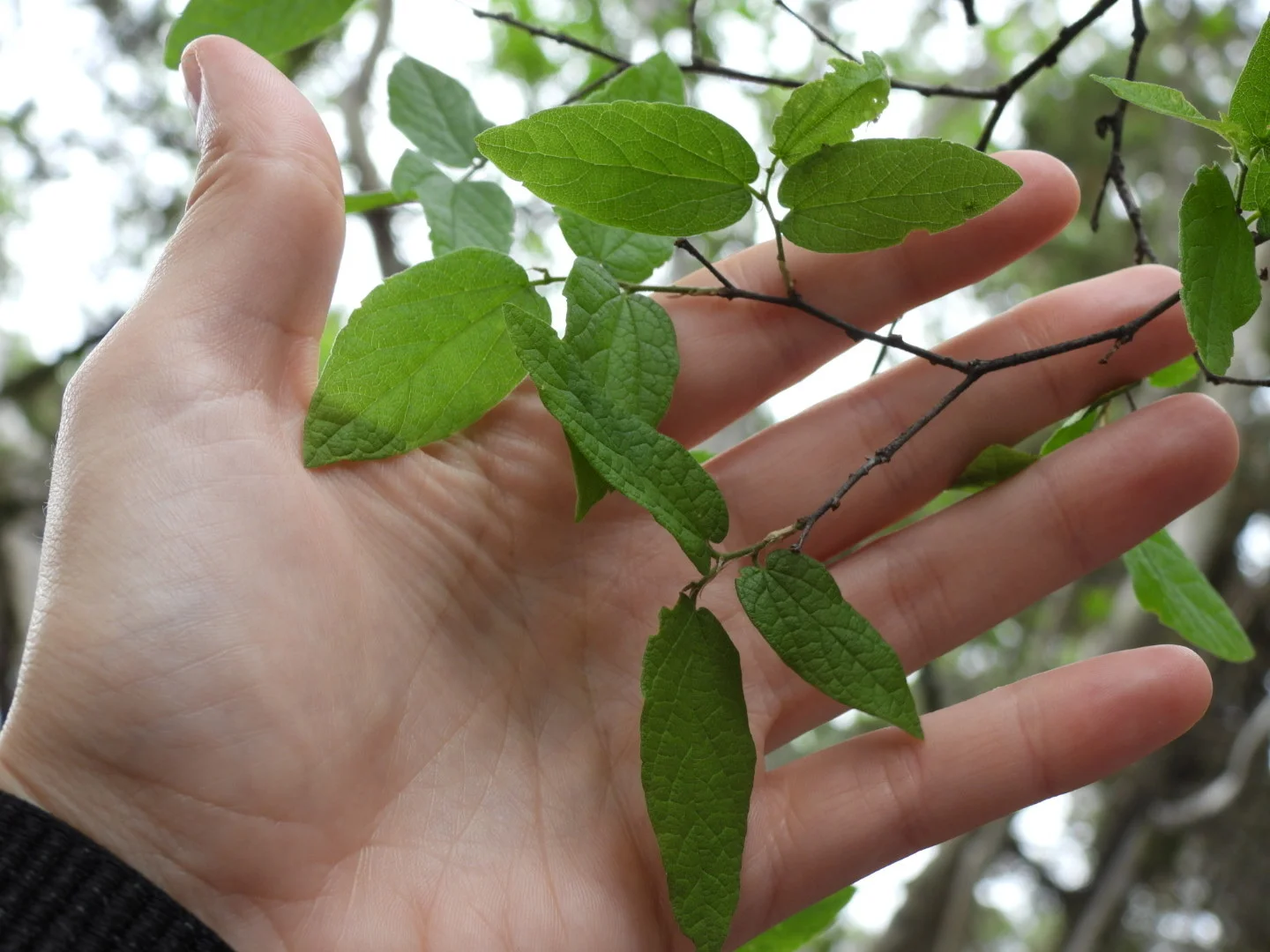
Flourishing in the central regions of Texas and northeastern Mexico, the Cannabaceae family includes the tree species known as Celtis lindheimeri. The specific epithet honors the German-born botanical collector Ferdinand Jacob Lindheimer, who contributed significantly to the study of Texas flora. In its natural habitat, the tree frequently grows in ravines and shrubby environments, particularly across Edwards County, Texas, and the northern Mexican states of Coahuila and Nuevo León.
Mature specimens of this species typically reach an average height of 9 meters. The tree produces distinctive reddish-brown berry-like fruits, botanically classified as drupes. In terms of morphological traits and taxonomy, it shares a close relationship with the netleaf hackberry, a species widely distributed across the western United States.
Celtis brasiliensis
A deciduous tree or scrambling shrub in the Cannabaceae family, native to various countries in …

Celtis gomphophylla
A tall tree species in the Cannabaceae family, widespread across sub-Saharan Africa, Madagascar, and the …

