
Brazilian hackberry
Celtis brasiliensis
A deciduous tree or scrambling shrub in the Cannabaceae family, native to various countries in …
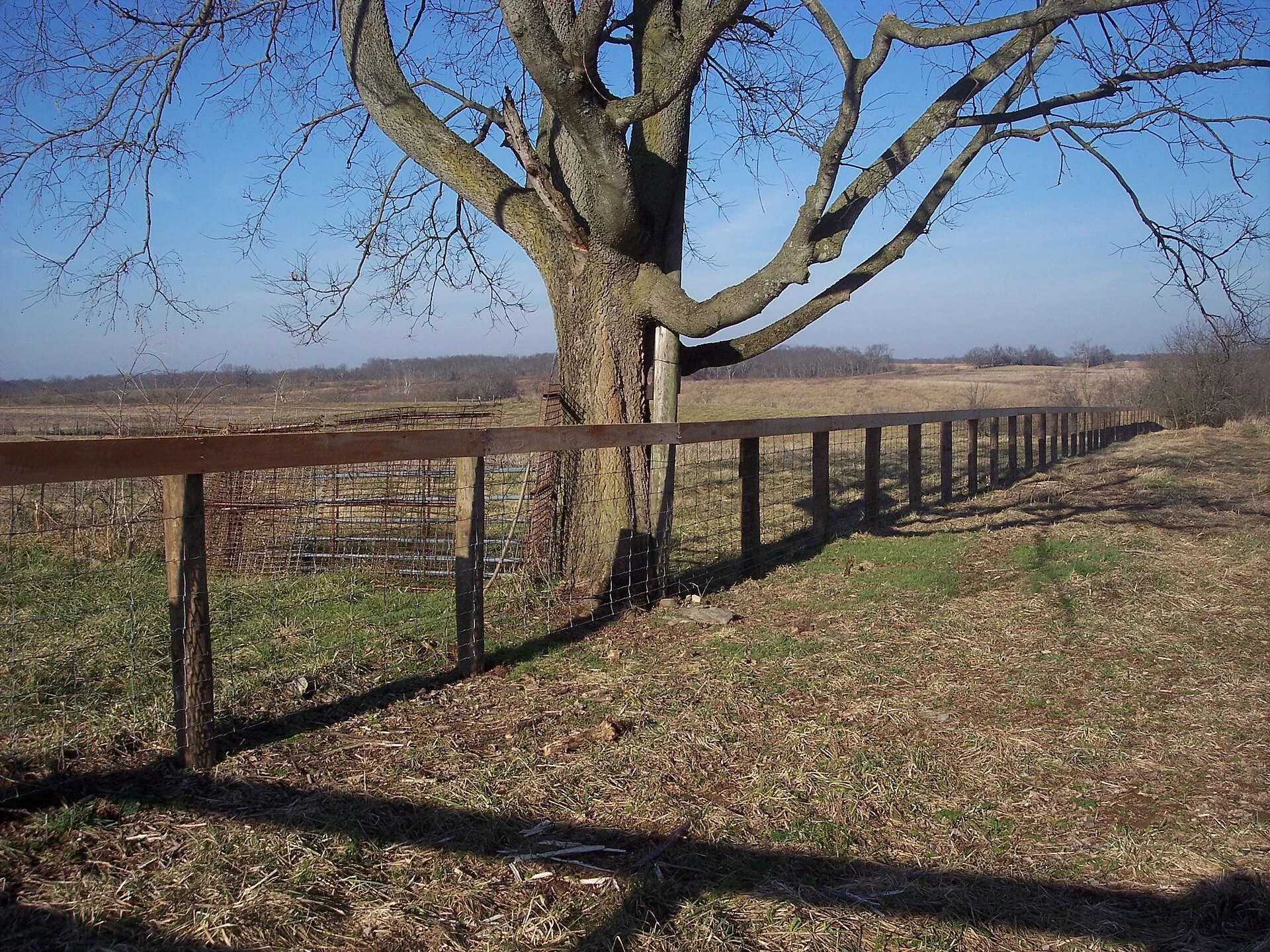
The deeply ridged, cork-like bark of Celtis occidentalis resembles miniature geologic palisades, offering a striking textural display in the winter landscape. Native to the river valleys and limestone-rich soils of North America, this resilient tree has seamlessly adapted to both wild forests and bustling urban environments. Its remarkable tolerance to drought, pollution, and strong winds has made it a favored choice for street plantings across the globe.
Historically, the common hackberry held significant cultural value for indigenous peoples, who harvested its nutrient-dense berries. Today, the tree remains an ecological cornerstone, providing shelter and sustenance for a myriad of bird species. It also serves as the primary larval host for the hackberry emperor butterfly, cementing its importance in local ecosystems.
Celtis occidentalis is a medium-to-large deciduous tree that typically reaches heights of 9 to 15 meters, though it can grow significantly taller in optimal conditions. The most defining characteristic is its bark, which is light brown or silvery-gray and develops thick, wart-like protuberances and corky ridges as the tree matures. Branches are slender and often pendulous, forming a rounded crown.
The leaves are alternately arranged, measuring 5 to 12 centimeters in length. They are distinctly asymmetrical at the base, ovate to ovate-lanceolate in shape, with a sharply acuminate tip and serrated margins. The upper leaf surface is bright green and noticeably rough to the touch, while the underside is paler and slightly hairy along the veins.
The flowers are small, greenish, and lack petals, appearing in early spring alongside the newly emerging leaves. Celtis occidentalis is polygamo-monoecious, bearing male, female, and perfect flowers on the same tree. The resulting fruit is a small, fleshy drupe that transitions from orange-red to a deep, dark purple when fully ripe in the fall, persisting on the bare branches throughout the winter.
Flowers emerge in mid-spring, typically appearing in May alongside the new foliage.
The wood of Celtis occidentalis is light yellow, heavy, and relatively soft. Due to its susceptibility to rot, it holds limited commercial timber value and is primarily utilized for firewood, cheap furniture, and agricultural fencing. However, its true value lies in arboriculture and urban planning.
Because of its exceptional adaptability to compacted soils, pollution, and drought, the tree is widely planted in cities worldwide. Indigenous communities of North America, including the Omaha, Dakota, and Pawnee, utilized the highly nutritious, pea-sized berries. The fruits were consumed raw or pounded into a fine paste, seeds included, to flavor meat and corn dishes.
Several cultivars of Celtis occidentalis have been selected for specific growth habits and urban tolerance.
Taxon Synonyms: Celtis crassifolia var. morifolia, Celtis occidentalis f. pumila, Celtis occidentalis var. canina, Celtis occidentalis var. audibertiana, Celtis occidentalis var. serrulata, Celtis audibertiana var. ovata, Celtis occidentalis var. aspera, Celtis audibertiana, Celtis procera, Celtis cordata, Celtis crassifolia var. tiliifolia, Celtis obliqua, Celtis canina, Celtis occidentalis f. canina, Celtis audibertiana var. oblongata, Celtis pumila var. deamii, Celtis occidentalis f. neglecta, Celtis crassifolia var. eucalyptifolia, Celtis pumila, Celtis occidentalis var. submembranacea, Celtis crassifolia
Celtis brasiliensis
A deciduous tree or scrambling shrub in the Cannabaceae family, native to various countries in …

Celtis gomphophylla
A tall tree species in the Cannabaceae family, widespread across sub-Saharan Africa, Madagascar, and the …

