
Brazilian hackberry
Celtis brasiliensis
A deciduous tree or scrambling shrub in the Cannabaceae family, native to various countries in …
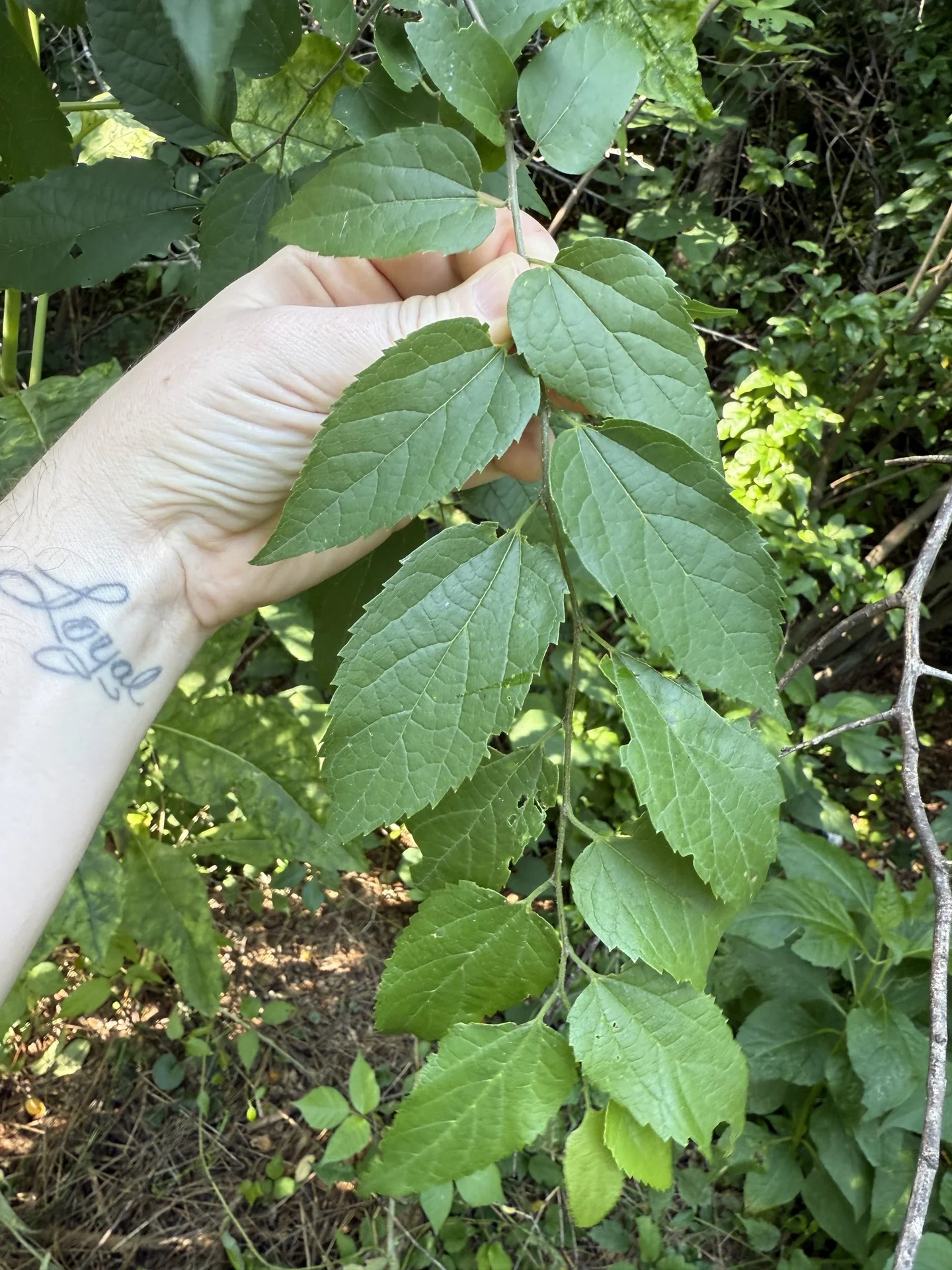
Endemic to the rich bottomlands and floodplains of the southeastern United States, Celtis smallii adds significant ecological value to deciduous forests. Often recognized by its distinctively textured bark and serrated foliage, this tree has long been a subject of taxonomic interest among North American botanists.
While some botanical authorities recognize it as a distinct species, others classify it as a variety of the closely related sugarberry (Celtis laevigata).
This tree typically grows to a moderate height, featuring the characteristic corky, warty bark typical of its genus. The branching pattern creates an open, irregular crown that allows dappled light to reach the forest floor.
Key diagnostic features include:
Spring
This tree holds significant ecological value rather than commercial importance, as its soft wood is generally not sought after for high-quality timber. It plays a foundational role in local food webs and supports diverse wildlife.
The specific epithet smallii honors John Kunkel Small, a prominent early 20th-century American botanist who extensively documented the flora of the southeastern United States.
Due to its high tolerance for poor urban soils and urban pollution, it is occasionally utilized in municipal plantings where other canopy trees might struggle.
Taxon Synonyms: Celtis laevigata var. smallii
Celtis brasiliensis
A deciduous tree or scrambling shrub in the Cannabaceae family, native to various countries in …

Celtis gomphophylla
A tall tree species in the Cannabaceae family, widespread across sub-Saharan Africa, Madagascar, and the …

