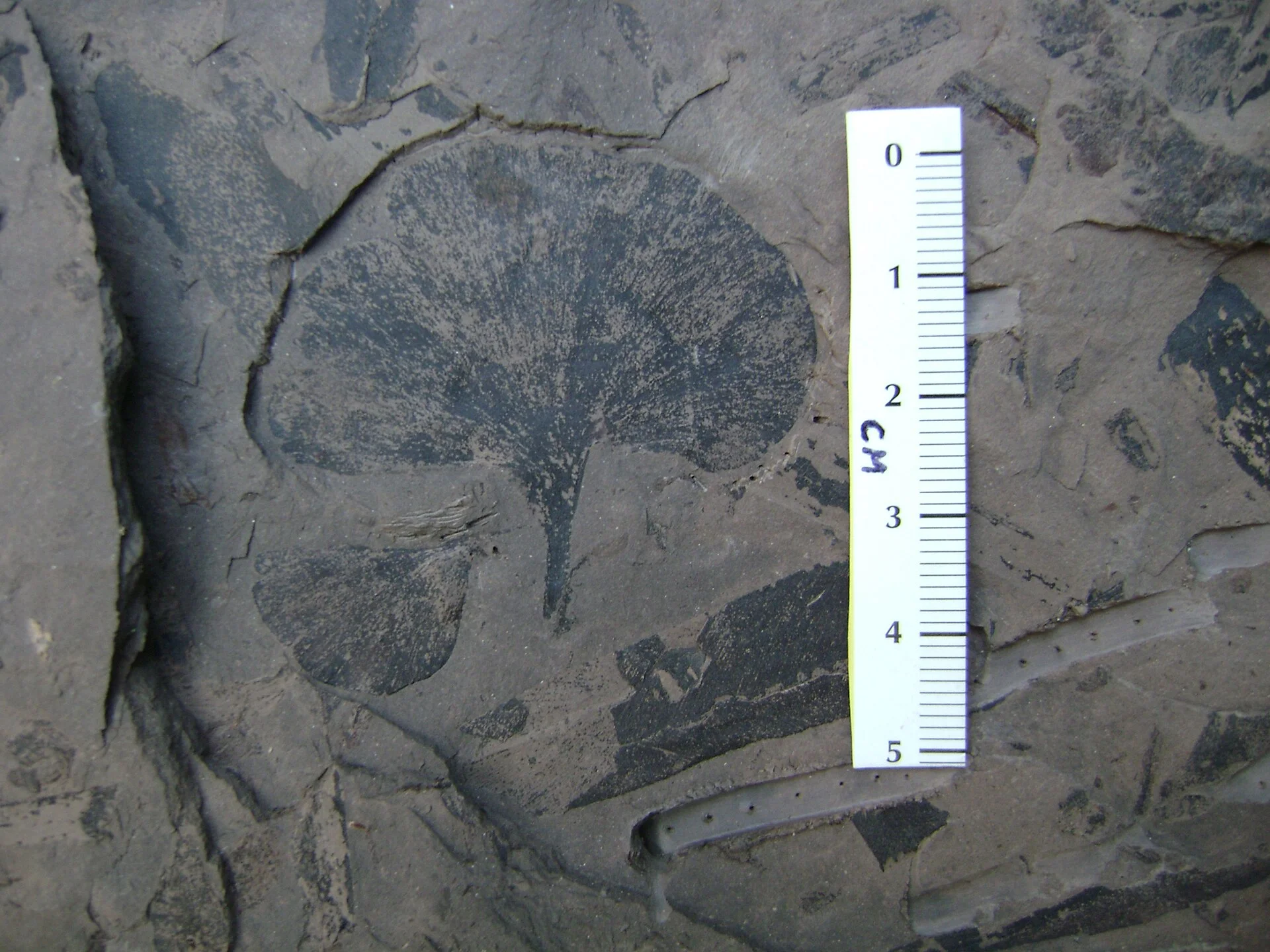
Chiropteris: Extinct Permian-Jurassic Fossil Plant Genus
Flourishing from the Early Permian to the Late Jurassic periods, the extinct plant genus Chiropteris represents a fascinating subject of paleobotanical study. Fossil remains of these organisms have been recovered from ancient sedimentary formations, primarily in South America. Researchers continue to investigate their exact evolutionary placement within the plant kingdom.
The classification of these prehistoric specimens remains a subject of ongoing debate among experts. Current scientific consensus is divided on whether the genus should be assigned to the families Matoniaceae or Dipteridaceae.
Reconstructed from both fragmentary and remarkably complete fossil specimens, the physical structure of Chiropteris showcases unique vegetative adaptations. The plant featured a relatively short petiole measuring approximately 25 centimeters in length. This leaf stem supported a large, circular leaf blade that reached up to 16 centimeters in diameter.
The leaf venation and general morphology bear a striking resemblance to modern members of the genus Ginkgo. Despite these superficial similarities, their internal vascular structures point to distinct evolutionary lineages suited for the warm, humid environments of their respective eras.
Interesting facts
Several intriguing details surround the discovery and preservation of this ancient taxon:
Brazilian Discoveries: Significant fossil specimens have been unearthed in the Rio Bonito Formation, situated within the geopark Paleorrota in Rio Grande do Sul.
Widespread Distribution: Beyond Rio Grande do Sul, outcrops in the municipalities of Criciúma and Urussanga in Santa Catarina have also yielded important fossil material.
Coexistence with Glossopteris: Many Chiropteris fossils are found immediately adjacent to the famous Glossopteris paleoflora, indicating they shared the same ancient ecological niches.