Pehuén
Paraná pine
Chilean pine
Brazilian pine
Candelabra tree
IUCN: В опасности
Columbea Conifers: Ancient Giants of South America
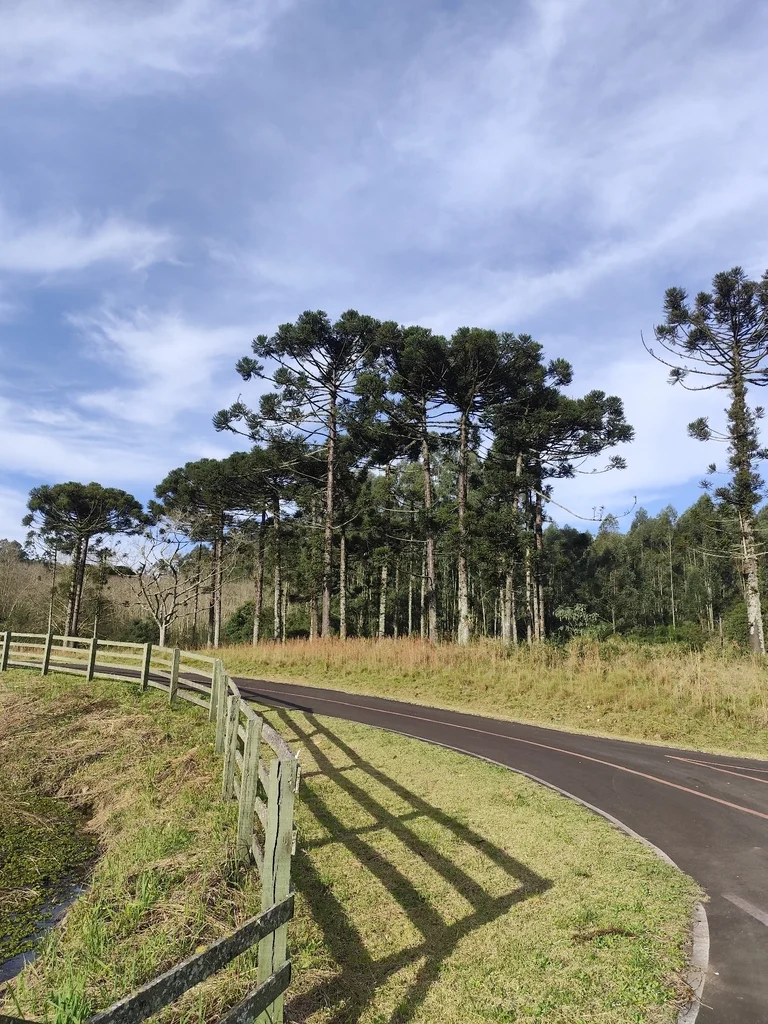
Towering over the misty slopes of the southern Andes and the high-altitude grasslands of southern Brazil, the ancient lineage of Columbea evokes the prehistoric landscapes of the Mesozoic era. These majestic conifer giants are deeply intertwined with the identity, culture, and survival of indigenous Mapuche and Kaingang communities who have gathered their nutritious seeds for generations.
Historically classified as a distinct genus and later recognized as a key section within the broader Araucaria group, Columbea comprises species that showcase a unique architectural growth pattern. Their symmetrical, candelabra-like silhouettes dominate the canopy of high-altitude rain forests, serving as critical ecological keystones in their native habitats.
Taxonomy
∟царствоPlantae
∟divisionTracheophytes(Vascular Plants)
∟subdivisionSpermatophytes(Seed plants)
∟superclassGymnospermae(Gymnosperms)
∟divisionPinophyta(Conifers)
∟subclassCupressidae
∟orderAraucariales(Southern pines and monkey-puzzles)
Specimens of Columbea are long-lived, evergreen conifers characterized by their immense height, often reaching up to 40 meters. In their mature stage, they shed their lower branches, resulting in a distinctive flat-topped or dome-shaped crown resembling a massive candelabra. The bark is exceptionally thick, resinous, and deeply fissured, providing crucial protection against wildfires.
The foliage and reproductive structures exhibit several unique characteristics:
Foliage: The leaves are thick, tough, and scale-like, triangular to lanceolate in shape, with sharp points and fine serrations along the margins. They are arranged spirally and overlap densely along the branches, persisting for many years.
Cones: The trees are typically dioecious, with separate male and female reproductive organs on different individuals. Female cones are large, spherical, and can weigh up to several kilograms, containing hundreds of large, starchy seeds.
Seeds: The seeds, commonly known as pinhões or piñones, are wingless, oblong, and wrapped in a thick brownish coat. They rely primarily on gravity and native fauna for dispersal.
Applications
The primary value of Columbea lies in its highly nutritious, starch-rich seeds, which have been a dietary staple for indigenous peoples and local populations for millennia. These seeds are traditionally boiled, roasted, or ground into flour to prepare various regional dishes and fermented beverages.
Beyond culinary use, the genus has historical and ecological applications:
Timber: Historically, the high-quality, straight-grained wood was heavily exploited for shipbuilding, construction, and paper pulp, though logging is now strictly regulated or banned.
Traditional Medicine: The resin exuded from the trunk has been utilized in folk remedies to treat respiratory ailments, skin infections, and joint inflammation.
Ornamental Gardening: Due to their striking architectural form, they are planted as dramatic focal points in large public parks and botanical gardens globally.
Interesting facts
These ancient trees are often referred to as living fossils because their close relatives can be traced back to the Jurassic period, when they coexisted with dinosaurs. Their unique crown structure is believed to have evolved as an adaptation to avoid browsing by giant herbivorous dinosaurs.
Key historical and ecological highlights include:
Cultural Symbols: In Chile, the monkey puzzle tree (Araucaria araucana) is recognized as a national monument, revered by the Mapuche people as a sacred tree.
Ecological Keystones: The massive seasonal seed production supports a vast network of forest wildlife, including the endangered Red-spectacled Amazon parrot.
Fire Adaptation: The exceptionally thick, cork-like bark allows mature trees to survive moderate forest fires, maintaining their dominance in fire-prone ecosystems.