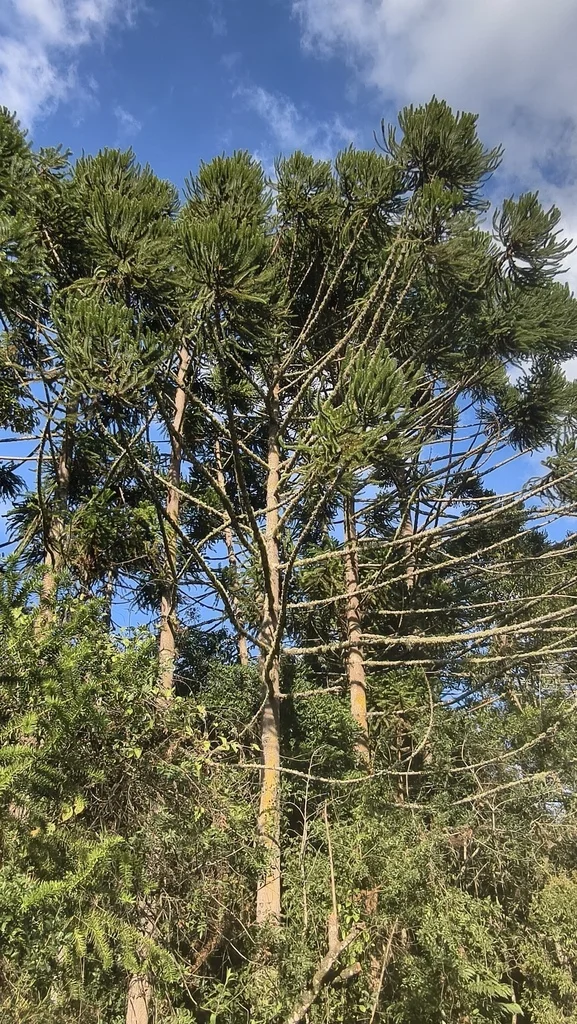
Columbea brasiliensis: Taxonomy, Morphology, and Ecological Role
Described historically by botanists such as Élie-Abel Carrière in 1867, Columbea brasiliensis captivates modern researchers with its unique evolutionary history within the Araucariaceae family. This ancient gymnosperm was originally documented to outline the specialized morphological traits of South American conifers before global nomenclature standardized its classification.
While contemporary taxonomic frameworks generally subsume the genus Columbea into Araucaria, the original descriptions offer valuable insights into the rich biodiversity of the region. The enduring legacy of this scientific name highlights the complex history of botanical exploration and species identification in the neotropics.
Taxonomy
∟царствоPlantae
∟divisionTracheophytes(Vascular Plants)
∟subdivisionSpermatophytes(Seed plants)
∟superclassGymnospermae(Gymnosperms)
∟divisionPinophyta(Conifers)
∟subclassCupressidae
∟orderAraucariales(Southern pines and monkey-puzzles)
Specimens associated with this historical name are characterized as massive, woody trees possessing a robust main trunk and a distinct whorled branching pattern. The protective bark is exceptionally thick and scaly, shielding the vascular cambium from environmental stress.
The evergreen foliage consists of needle-like or narrowly lanceolate leaves that exhibit a tough, leathery texture. These leaves are densely packed along the terminal shoots, maximizing the plant's photosynthetic capacity in dense forest canopies.
Reproductive development involves the formation of massive female cones alongside smaller, cylindrical male strobili. The seeds produced within the heavy female cones lack prominent aerodynamic wings, relying heavily on gravity and animal interactions for successful dispersal.
Interesting facts
The generic name Columbea was introduced into botanical literature in the late 18th century but eventually fell out of favor as Araucaria became the internationally accepted and conserved name.
Trees belonging to this specific evolutionary lineage are widely considered living remnants of the ancient floras that once dominated the supercontinent of Gondwana millions of years ago.