
Muku tree
Aphananthe aspera
Aphananthe aspera, commonly known as the muku tree or scabrous aphananthe, is a large deciduous …
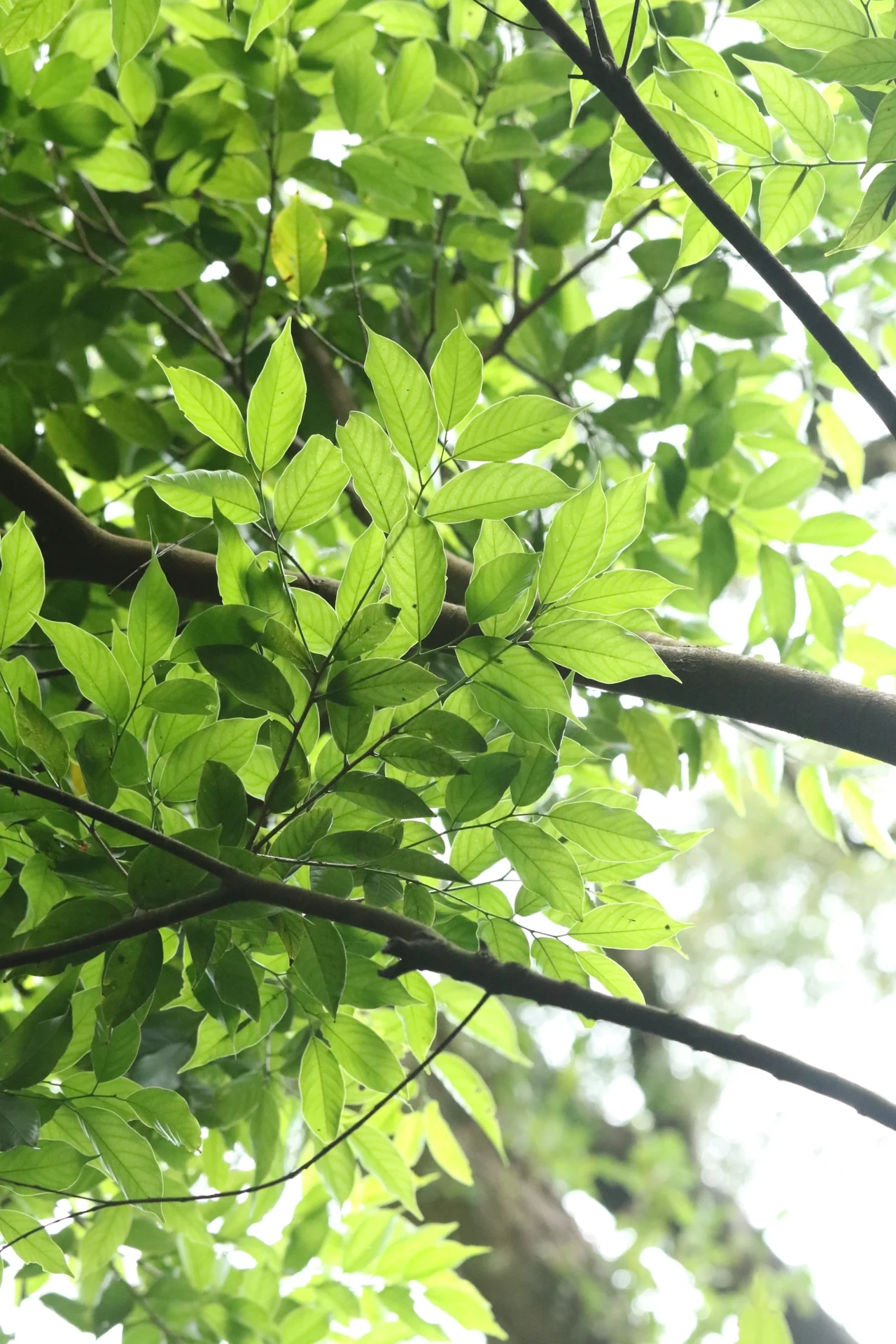
Native to the diverse landscapes of Asia, Aphananthe cuspidata stands as an impressive arboreal specimen reaching heights of up to 30 meters. This evergreen tree flourishes within moist, broadleaf forests, particularly on mountain slopes at elevations ranging from 100 to 900 meters. The species plays an integral role in its native ecosystems across countries like China, India, Indonesia, and Vietnam.
First described scientifically by Carl Ludwig von Blume in 1826 under a different nomenclature, it was later classified into its current genus by Jules Émile Planchon. The plant remains a significant member of the Cannabaceae family, sharing evolutionary lineage with other remarkable botanical taxa.
The structural characteristics of Aphananthe cuspidata reflect its adaptation to humid, subtropical and tropical forest environments. As a sizable tree, it develops a robust trunk that supports a broad, expansive canopy. The foliage is typically dense, contributing to the evergreen nature of the species.
Its leaves are arranged alternately and feature a distinct cuspidate or sharply pointed apex, which inspired its specific epithet. While specific floral details can be subtle, the tree produces functional reproductive structures typical of its genus, eventually yielding small fruits adapted for local dispersion.
Within its natural range, the wood of Aphananthe cuspidata may be utilized for regional carpentry or construction, though it is not widely recognized as a major commercial timber. Its substantial size and dense canopy provide essential ecological services, offering shelter and habitat for various forest fauna.
When Carl Ludwig von Blume initially documented this species, he placed it in the genus Cyclostemon. It required decades of botanical review before Jules Émile Planchon correctly reassigned it to Aphananthe in 1873.
The tree thrives across an incredibly wide geographic footprint, seamlessly bridging the floristic regions of South Asia, the Greater Sunda Islands, and mainland Southeast Asia.
Taxon Synonyms: Aphananthe lucida, Gironniera reticulata, Sponia cuspidata, Helminthospermum glabrescens, Sponia subserrata, Gironniera nitida, Gironniera thompsonii, Gironniera curranii, Aphananthe lissophylla, Cyclostemon cuspidatus
Aphananthe aspera
Aphananthe aspera, commonly known as the muku tree or scabrous aphananthe, is a large deciduous …

Aphananthe philippinensis
A prominent rainforest tree from Australia and the Pacific, known for its sandpaper-like leaves and …

Aphananthe monoica
A medium-sized wild tree native to the humid tropical forests of Mesoamerica.

Picrasma
A genus of deciduous trees and shrubs known for their extremely bitter bark and medicinal …