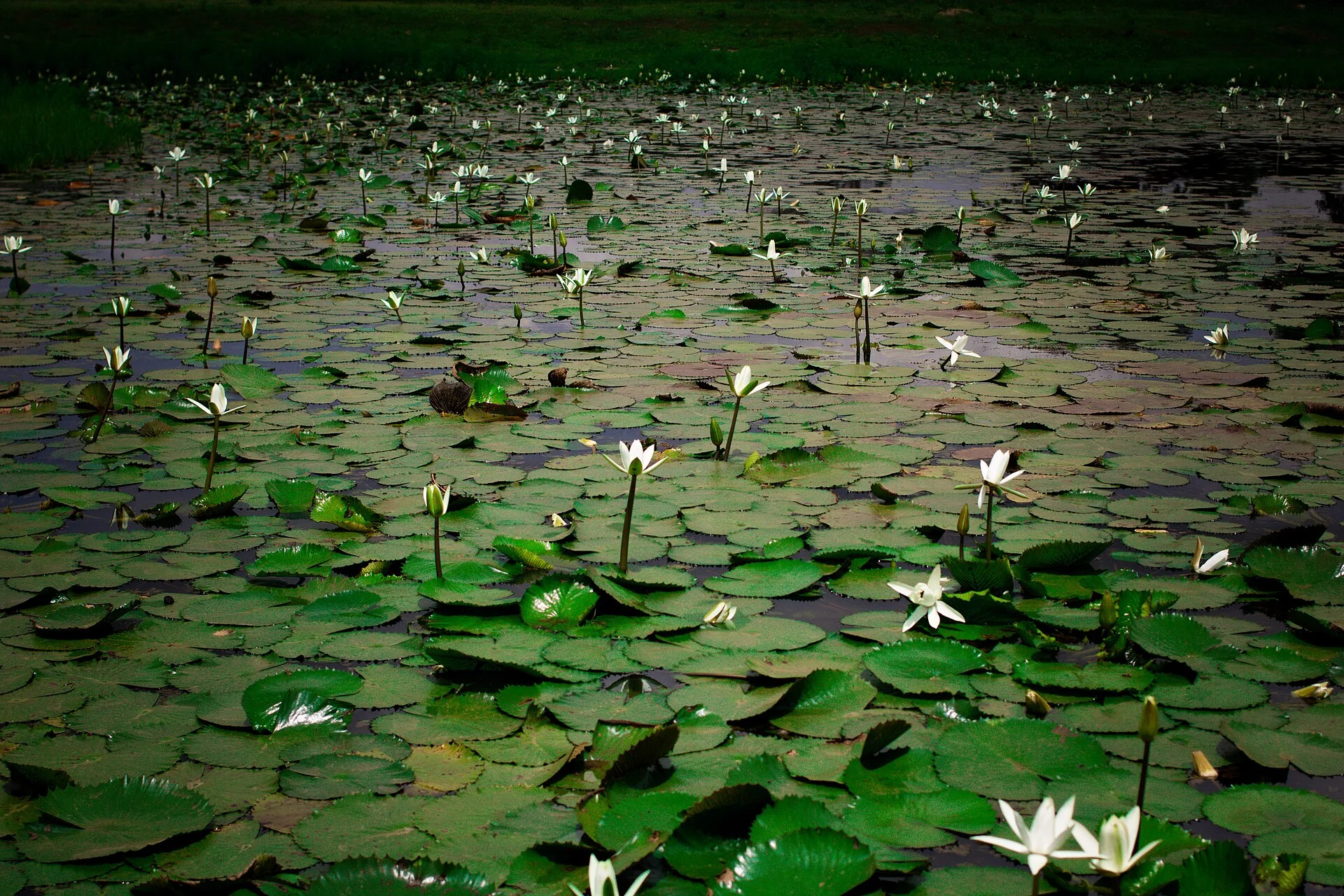
Pink lotus
Indian lotus
Lotus
Bean of India
East Indian lotus
Padma
Kamala
IUCN: Вызывает наименьшие опасения
#0D300A
#417049
#CF8FA6
#596A78
#ABA67F
Plant palette
Nelumbo nucifera (Sacred Lotus): Care, Uses & Facts
Emerging pristine from the muddy depths of ancient riverbeds, the sacred blooms of Nelumbo nucifera have captured the human imagination across Asia for over three millennia.
Often celebrated as a living emblem of purity and resilience, this remarkable aquatic perennial thrives in the slow-moving waters and wetlands of warm temperate and tropical regions.
In modern times, it continues to inspire scientists with its unique self-cleaning foliage and thermogenic flowers. Gardeners around the world value the taxon both for its structural beauty in water gardens and its remarkable edible roots.
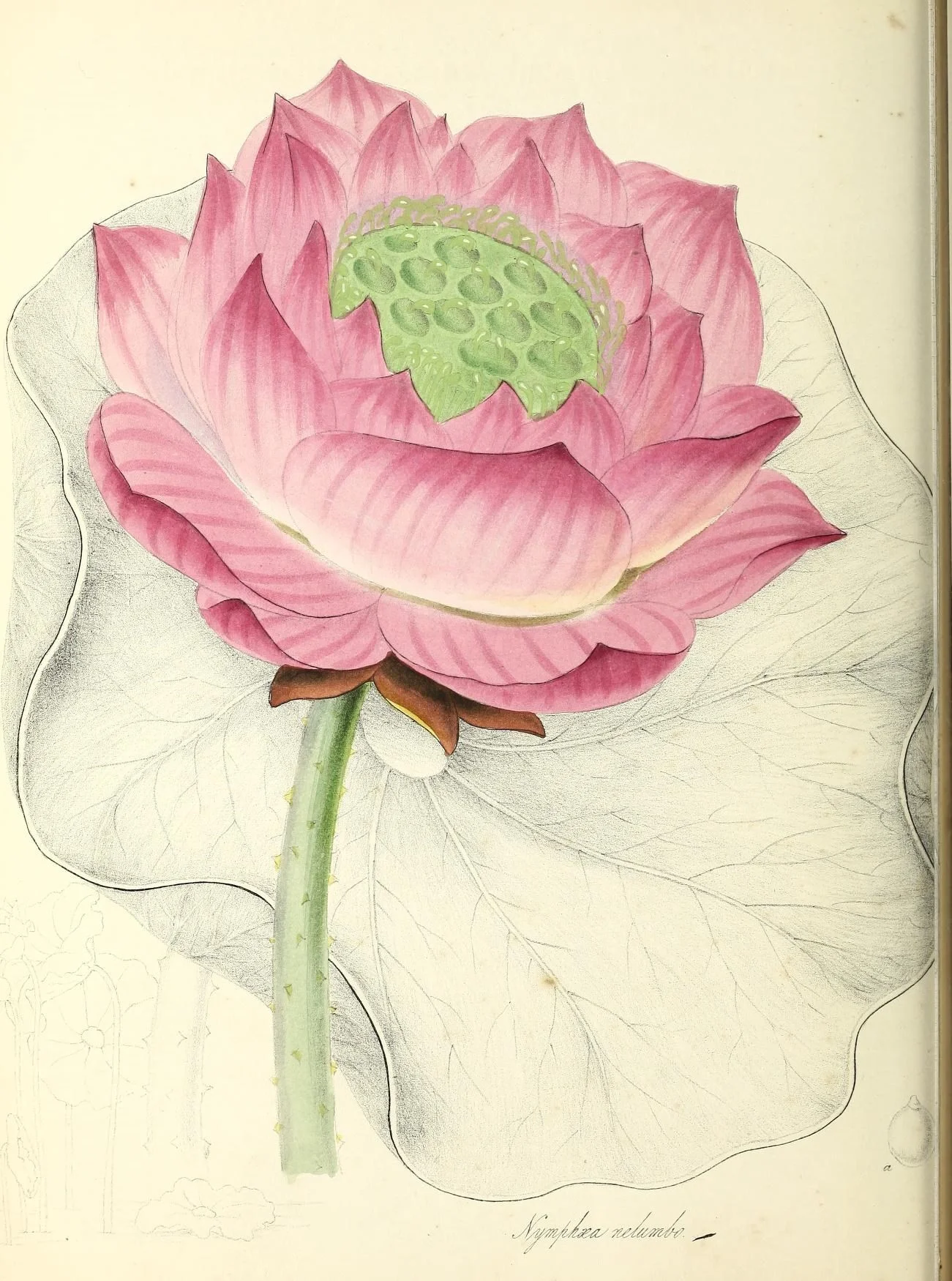
Botanical illustration
Фото: BioDivLibrary / Лицензия: Public Domain Mark
Morphology
The structural design of Nelumbo nucifera is a marvel of aquatic adaptation. Its thick, branching rhizomes can grow up to 20 meters in length, anchoring the plant deeply into the muddy bottom of ponds and slow-moving rivers. The internodes are swollen in the middle, functioning as major starch storage organs and containing specialized air channels for respiration.
The foliage displays a dramatic architectural presence above the water surface. Long, hollow petioles reaching up to 200 centimeters support large, circular, peltate leaves that can measure 80 to 100 centimeters in diameter. The leaf surface is covered in a specialized waxy coating that repels water and prevents dirt accumulation.
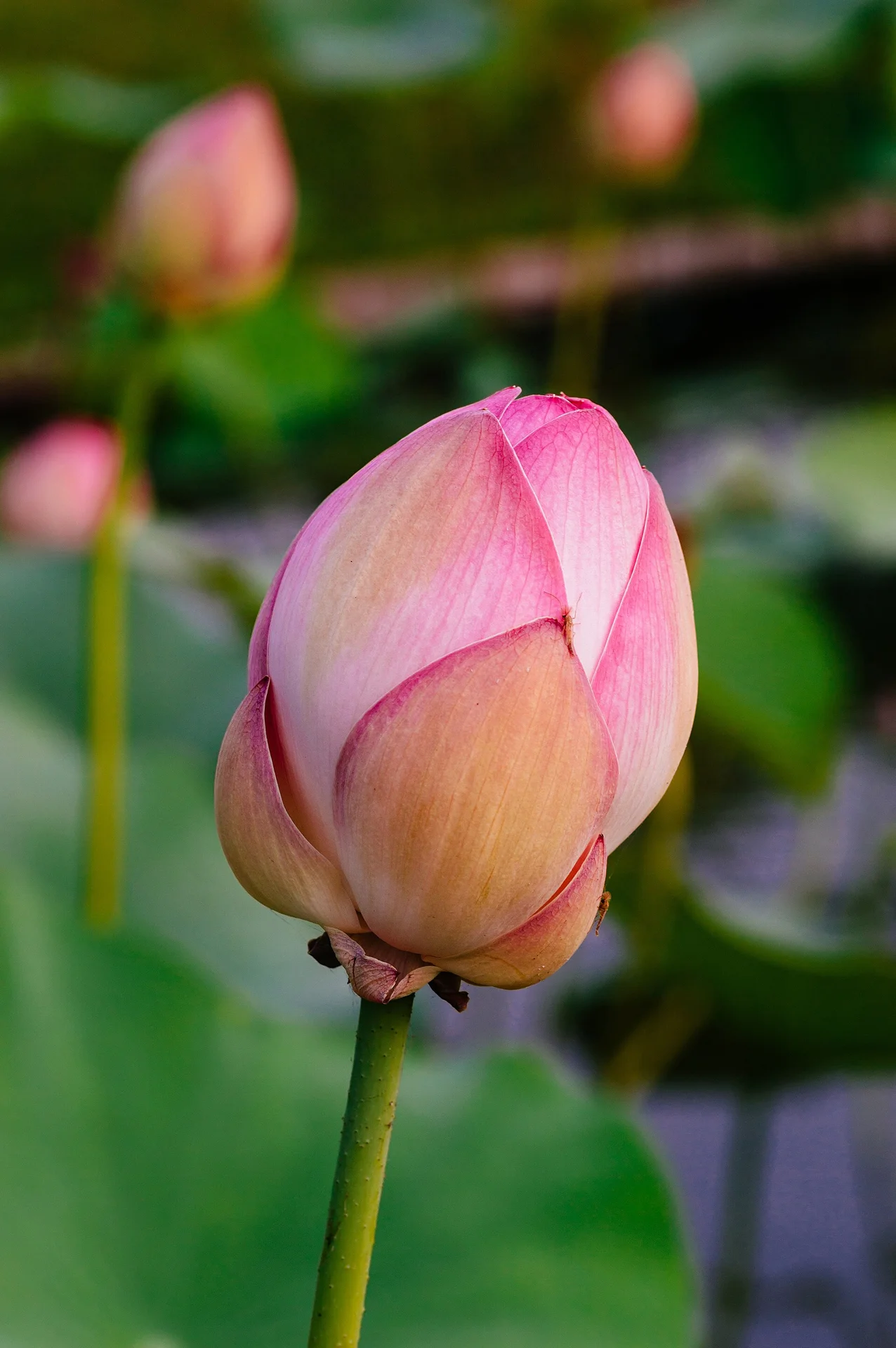
The spectacular flowers are held on thick, erect stems that rise well above the leaves. Key floral characteristics include:
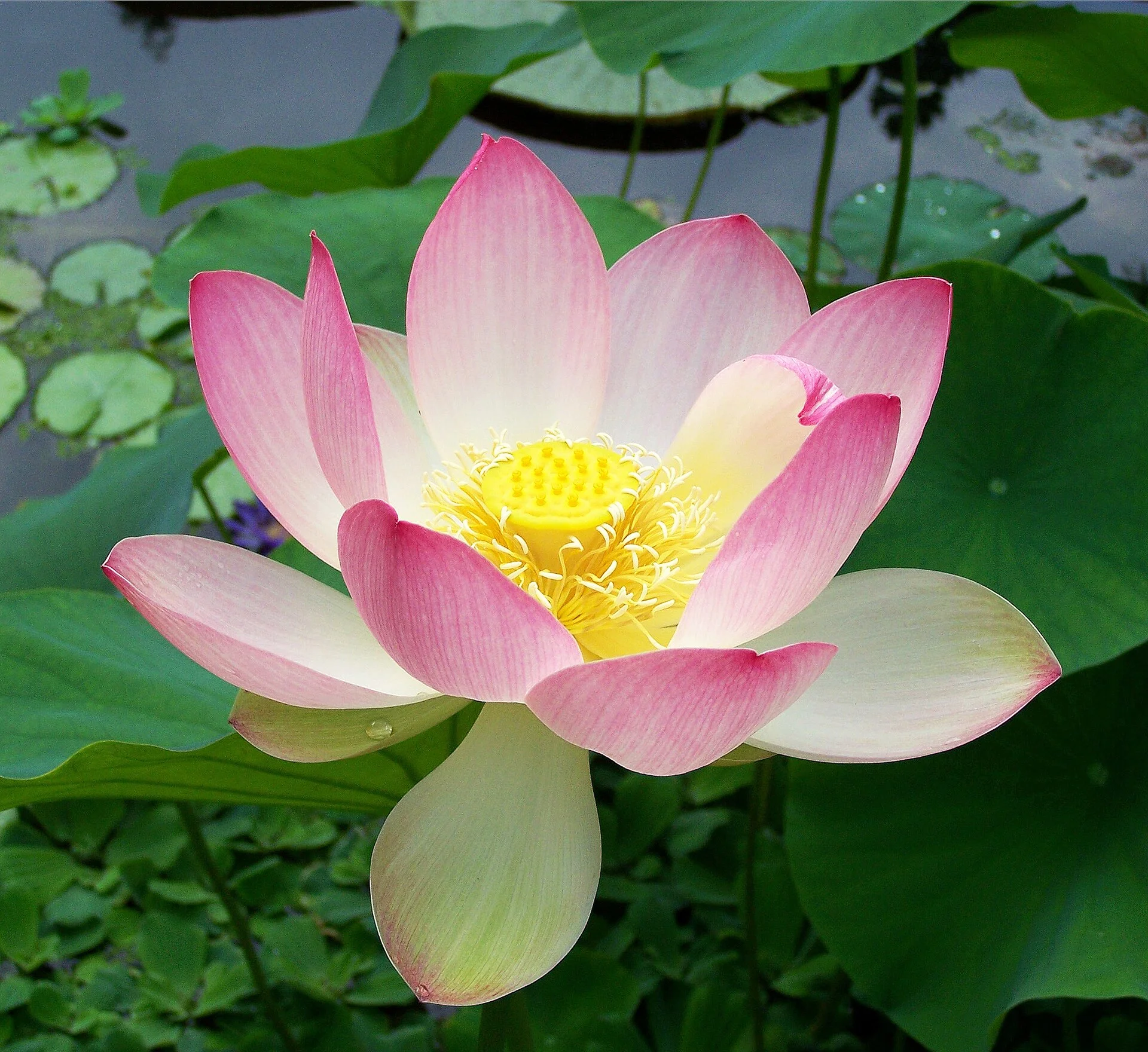
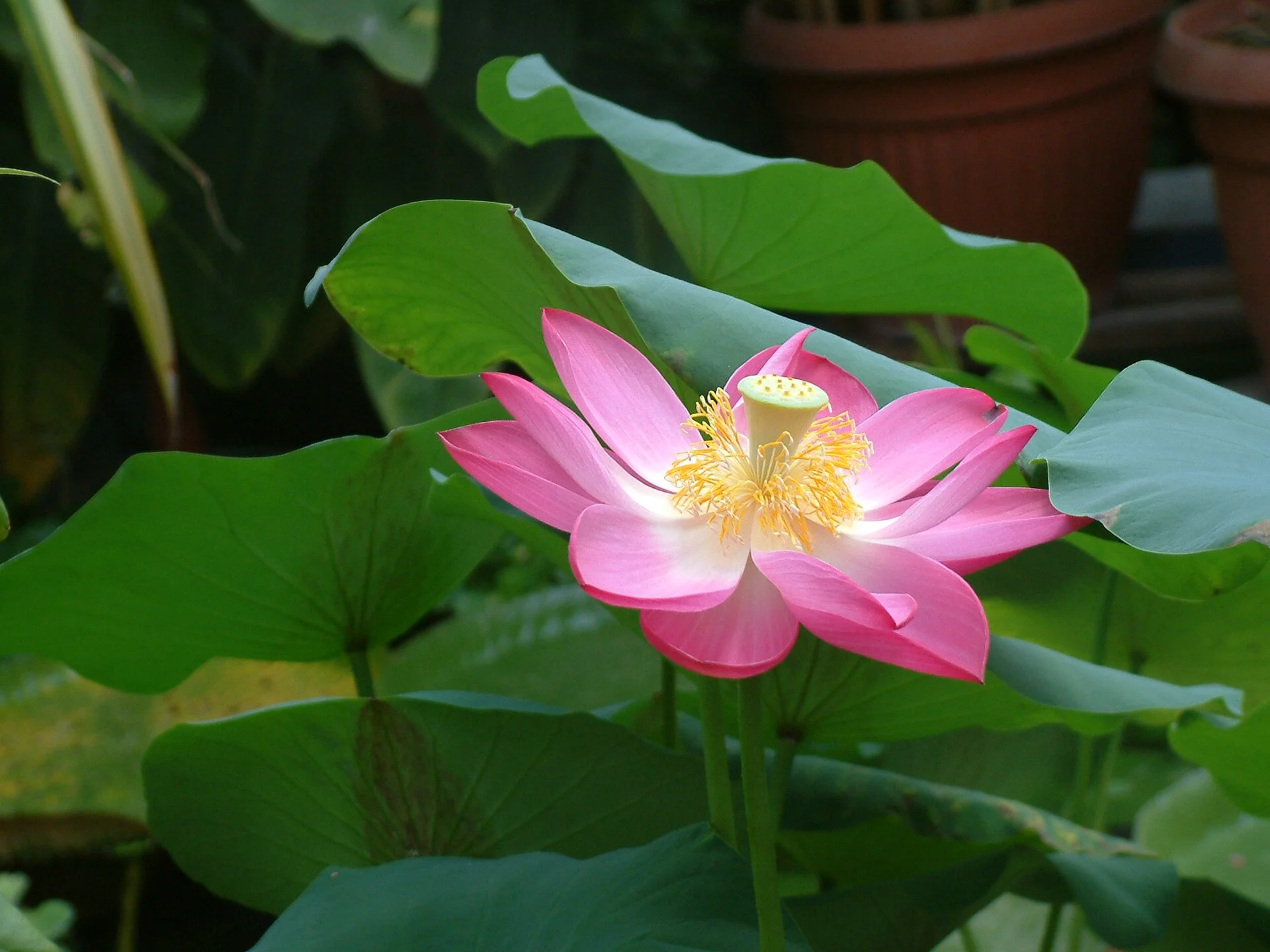
Floral Size: Blossoms can reach up to 35 centimeters in diameter, displaying shades of pink, red, white, or yellow.
Petal Multiplicity: Wild types have single petals, while ornamental cultivars can bear between 2,000 and 5,000 petals on a single flower.
Thermogenesis: The flowers can actively regulate their temperature to 30–35 °C (86–95 °F) to attract pollinators even when ambient temperatures drop.
Fruit and Seeds: The central receptacle develops into a woody, watering-can-like pod housing 10 to 30 ovoid, hard-coated seeds.
Flowering season
Blooms primarily in late spring and summer, typically from June to August.
Jan
Feb
Mar
Apr
May
Jun
Jul
Aug
Sep
Oct
Name
Dec
Care parameters
Light
Requires full sun and high warmth during the growing season. In winters with low light levels, the plant enters a period of dormancy.
Watering
Grows submerged in water 30 cm to 2.5 m deep. The water level is typically kept low initially to support early growth and increased as the plant grows.
Temperature
Requires average daytime temperatures of 23–27 °C (73–81 °F) during the growing season and germinates above 13 °C (55 °F). Tubers can overwinter underwater in USDA zones 6–11, but must be stored in a frost-free location if removed from the water.
Humidity
High humidity is preferred since it is an aquatic plant, and it naturally thrives in wet, flooded environments.
Toxicity
Non-toxic and entirely edible, including rhizomes, seeds, and leaves. However, consuming them raw carries a risk of transmitting the parasite Fasciolopsis buski, so cooking is highly recommended.
Applications
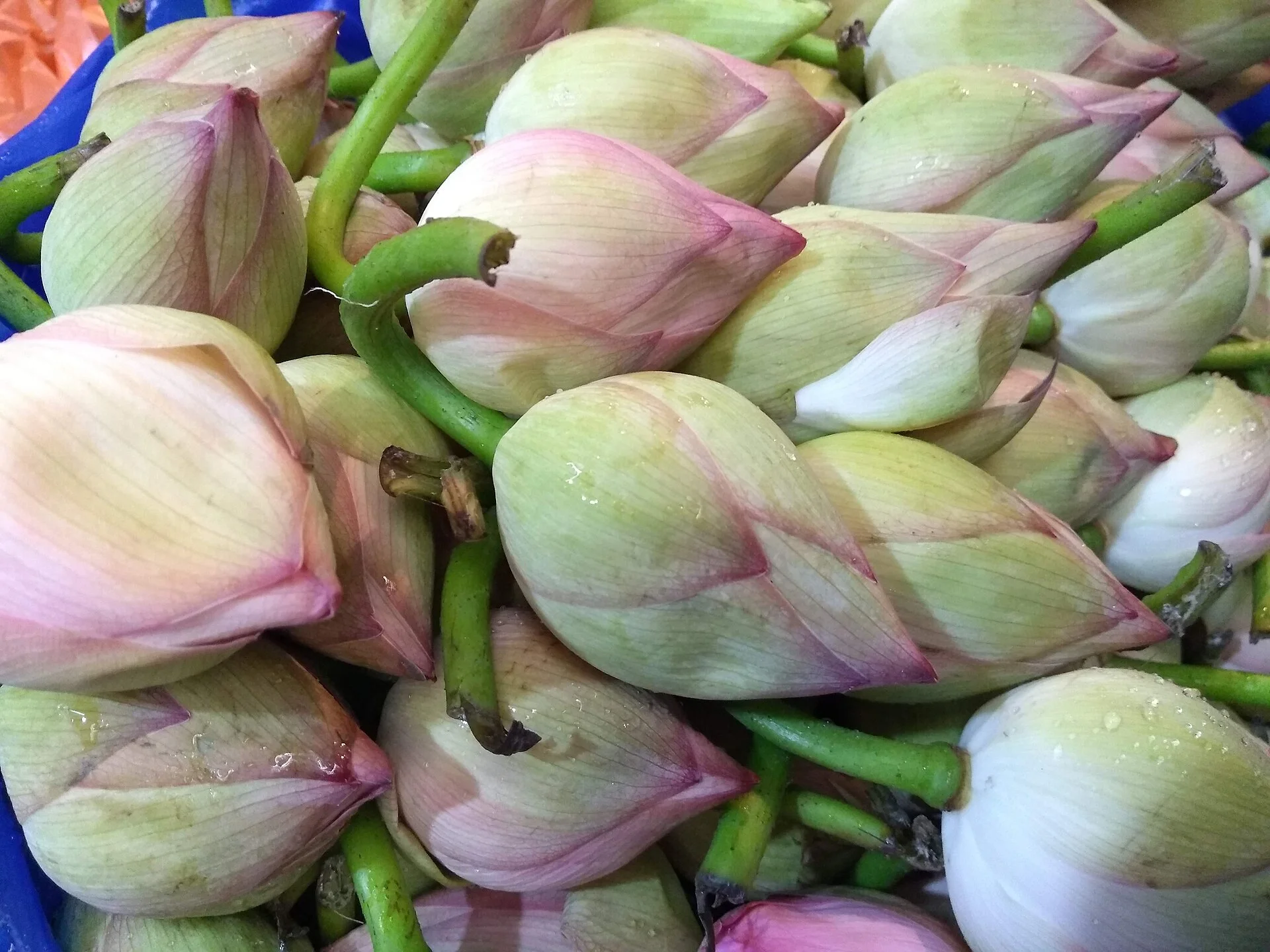
Every part of Nelumbo nucifera has found utility in human society, ranging from culinary applications to advanced environmental biotechnology. The starch-rich rhizomes are a staple vegetable in Asian cuisines, consumed fried, boiled in stews, or pickled in vinegar. Edible seeds are eaten fresh, dried, or ground into sweet paste for traditional pastries like moon cakes, while the leaves serve as aromatic food wraps.
In traditional medicine systems, the plant is highly revered for its therapeutic properties. The alkaloids like nuciferine and various flavonoids in the leaves and embryos are studied for their antihypertensive, anti-diabetic, and antioxidant effects. The stamens and petals are also dried to produce fragrant herbal teas.
Beyond nutrition and health, the species plays a crucial role in modern ecological engineering. Major applications include:
Wastewater Phytoremediation: The plant is used to treat eutrophic waters by absorbing excessive nitrogen and phosphorus, and its root system can filter out up to 96% of copper and 85% of cadmium.
Biomimetic Materials: The self-cleaning mechanism of its leaves, known as the "lotus effect," inspired the development of superhydrophobic paints, coatings, and pressure sensors.
Textile Production: In Cambodia and Myanmar, the strong fibers harvested from the leaf stems are woven into rare, luxurious lotus silk used for ceremonial robes.
Interesting facts
The cultural history of Nelumbo nucifera is rich with legends, botanical anomalies, and spiritual devotion. In Hindu iconography, the goddess Lakshmi is depicted sitting or standing upon a blooming blossom, representing wealth, beauty, and prosperity, while the god Vishnu is often shown holding a flower. In Buddhism, the plant's ability to rise clean out of murky water symbolizes the journey of the soul toward enlightenment.
Botanists have discovered astonishing physiological traits that set this species apart from most other plants. Key historical and scientific facts include:
Millennial Seed Longevity: The hard seed coat allows the embryos to survive dry conditions for centuries, with the oldest successfully germinated seed dated to approximately 1,300 years old.
Thermoregulatory Warmth: The flower operates as a natural heater, maintaining a warm microclimate of 30–35 °C to protect pollinators from the cold.
Petal Records: Specialized ornamental cultivars, such as the "strange lotus" from Japan, can develop up to 5,000 petals on a single blossom, which is the highest number recorded in the plant kingdom.
Military Formations: The ancient Indian epic Mahabharata describes a complex military strategy called "Padmavyuha" or "Chakravyuha," which was designed in the shape of a multi-tiered blooming lotus.
Varieties and cultivars
Cultivars of Nelumbo nucifera are categorized into three main production groups depending on their agricultural focus. Rhizome cultivars are bred for high starch yield and crisp texture, seed cultivars are optimized for large, nutrient-rich seeds, and flower cultivars are grown for ornamental beauty. Miniaturized cultivars called bowl lotuses are specifically bred to grow in small containers.
Several notable varieties are widely cultivated across Asia and Oceania:
Rhizome Cultivars: Popular Chinese varieties include 'Elian 1', 'Elian 4', 'Elian 5', and '9217', while 'Tenno' and 'Bitchu' are commonly grown in Japan and Australia.
Seed Cultivars: Prominent selections include 'Cunsanlian', 'Xianglian 1', 'Ganlian 62', 'Taikong 36', as well as the 'Green Jade' and 'Vietnam-Red' varieties recommended for Australian agriculture.
Ornamental Cultivars: The miniature 'Wanlian' (bowl lotus) grows between 5 and 8 centimeters in size, while the massive 'qian ban lian' (thousand petals lotus) produces thousands of petals per blossom.