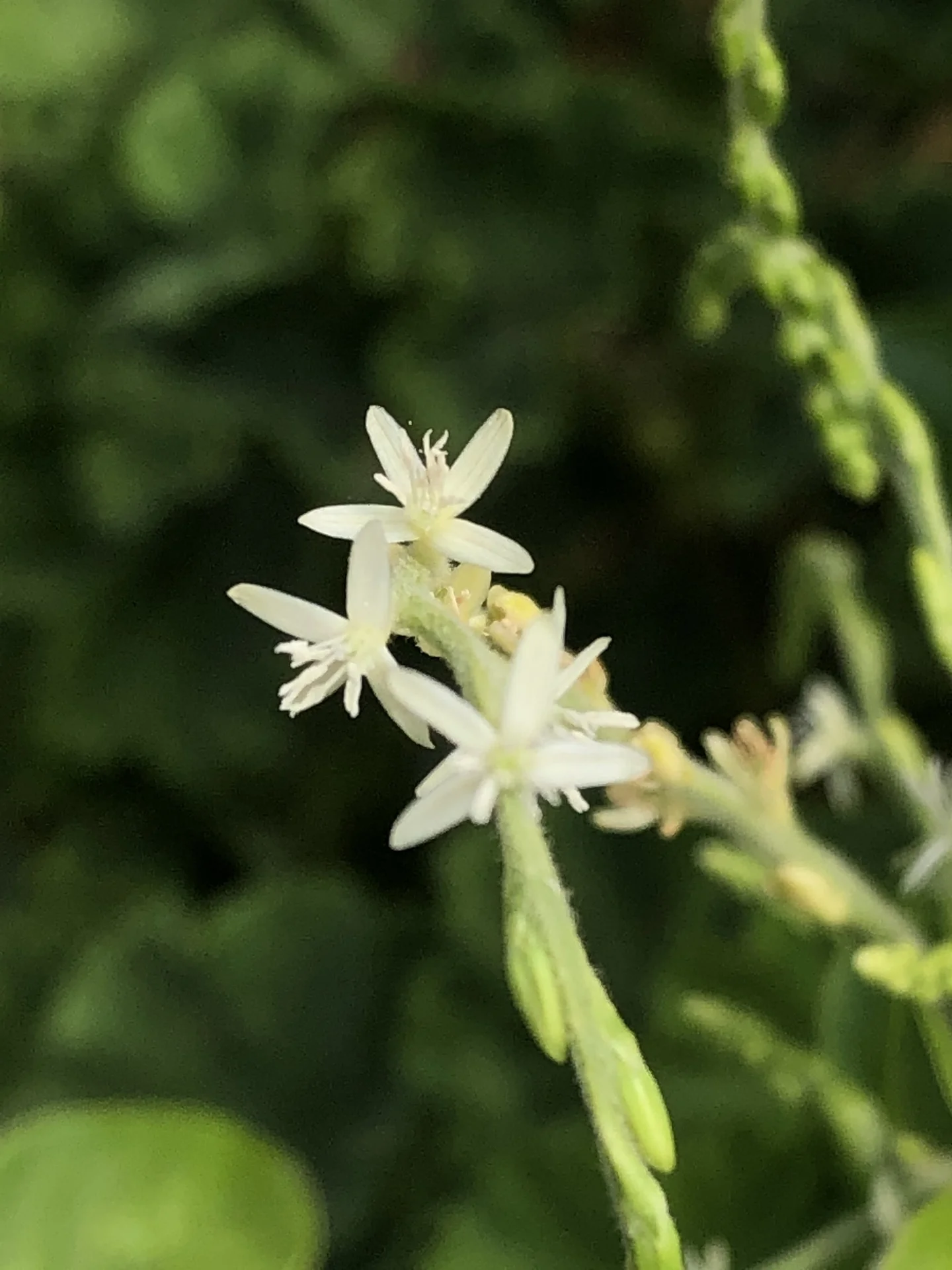
Petiveria Genus: Botanical Characteristics and Uses
Distributed widely across tropical and subtropical regions of the Americas, the genus Petiveria is a monotypic taxon in the family Petiveriaceae. The single accepted species, Petiveria alliacea, is native to regions spanning from the southern United States through Central America and the Caribbean to South America. Introduced populations of this deeply rooted perennial shrub have also established themselves in parts of tropical Africa, including Benin and Nigeria.
Plants in the genus Petiveria are deeply rooted, herbaceous perennial shrubs that grow up to 1 meter in height. The simple leaves are arranged alternately along the stems, featuring pinnate primary venation and reticulate secondary venation.
Key reproductive and morphological characteristics include:
Odor: All vegetative parts, particularly the roots and leaves, emit a strong, acrid, garlic-like scent when crushed.
Foliage: Simple, alternate leaves with entire margins and distinct venation patterns.
Flowering season
Peaks from July to January in Central America and from September to October in Mexico, though it can reproduce year-round.
Jan
Feb
Mar
Apr
May
Jun
Jul
Aug
Sep
Oct
Name
Dec
Applications
The chemical compounds found in Petiveria make it useful as a natural bat and insect repellent. It is also employed in traditional herbal practices across its native range.
However, caution is required because the plant can contaminate the milk and meat of grazing livestock with its garlic-like odor. Additionally, high nitrate levels in the foliage can cause toxicosis in cattle.
Interesting facts
The root system of Petiveria contains unique cysteine sulfoxide derivatives, including petiveriins A and B. These compounds act as precursors to antimicrobial thiosulfinates and a lachrymatory agent similar to the one that causes tearing in onions.
This plant is known by an extraordinary variety of vernacular names throughout Latin America and the Caribbean. Some of the most common names include guinea henweed, guiné in Brazil, anamú in Cuba, and mapurite in Trinidad.