Bitterwood Tree
Picrasma
A genus of deciduous trees and shrubs known for their extremely bitter bark and medicinal …
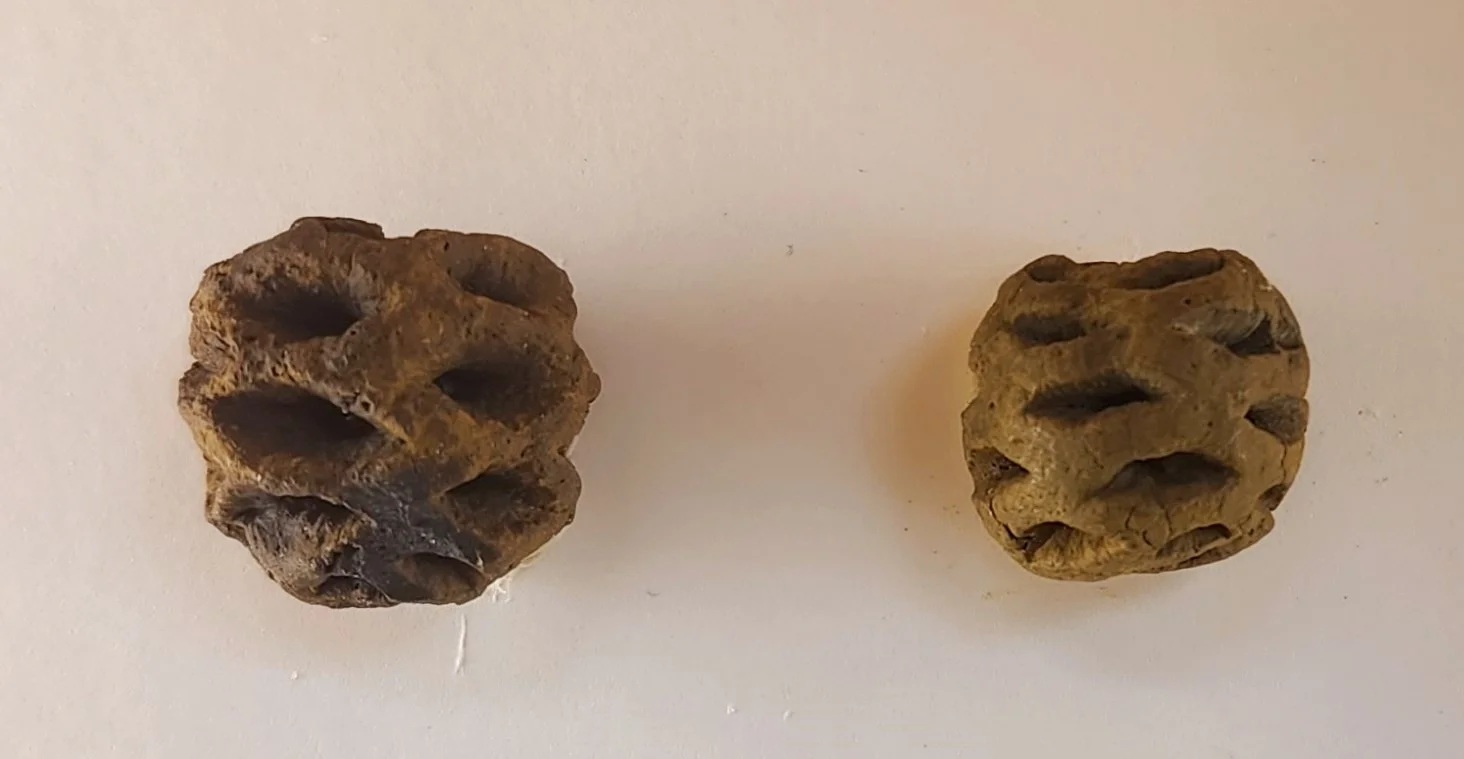
Excavated from the famous Hell Creek Formation of North Dakota, Sequoia dakotensis represents a critical evolutionary link in the late Mesozoic coniferous flora. First described by Roland W. Brown in 1935, this species has generated significant taxonomic debate regarding its generic placement. Recent findings suggest a potential affinity with the deciduous genus Parataxodium rather than true redwoods.
Fossilized seed cones of this species range from 1.5 to 4 cm in length, with a diameter between 1.2 and 3 cm. Each cone contains approximately 30 scales arranged in two spirals along the central axis, displaying wedge-shaped peduncles. Associated foliage specimens show needles arranged in a single plane or helically, suggesting a deciduous habit suited for lowland swamps.
The initial scientific description relied on ferruginous mud casts formed after the organic cones decayed, leaving detailed cavities. Re-evaluations of the species have linked several distinct fossil forms, including Juniperites gracilis, under a single whole-plant concept. These reconstructions depict a tree that thrived in ancient riparian floodplains alongside Cretaceous dinosaurs.
Picrasma
A genus of deciduous trees and shrubs known for their extremely bitter bark and medicinal …
Araucaria humboldtensis
A small, critically endangered coniferous tree native strictly to the high-altitude mountain peaks of southern …
Araucaria sect. Araucaria
Araucaria sect. Araucaria is a botanical section of evergreen conifers native to South America. It …
Araucaria
Araucaria is a genus of majestic, evergreen coniferous trees native to the Southern Hemisphere. Known …