Sorocea sprucei subsp. saxicola: Chacoan Rock-Dwelling Tree Profile
Sorocea sprucei subsp. saxicola is a tough, drought-tolerant shrub or small tree native to the seasonally dry woodlands and rocky hills of central South America, spanning parts of Bolivia, southwestern Brazil, Paraguay, and northern Argentina. Its subspecific epithet saxicola comes from the Latin words for "rock-dweller," pointing directly to its preference for limestone and sandstone outcrops where few other woody plants can anchor their roots.
First described by German botanist Emil Hassler in 1907 as a distinct species (Sorocea saxicola) from specimens collected in Paraguay, it was reclassified in 1985 by Cornelis Christiaan Berg as a southern subspecies of Sorocea sprucei.
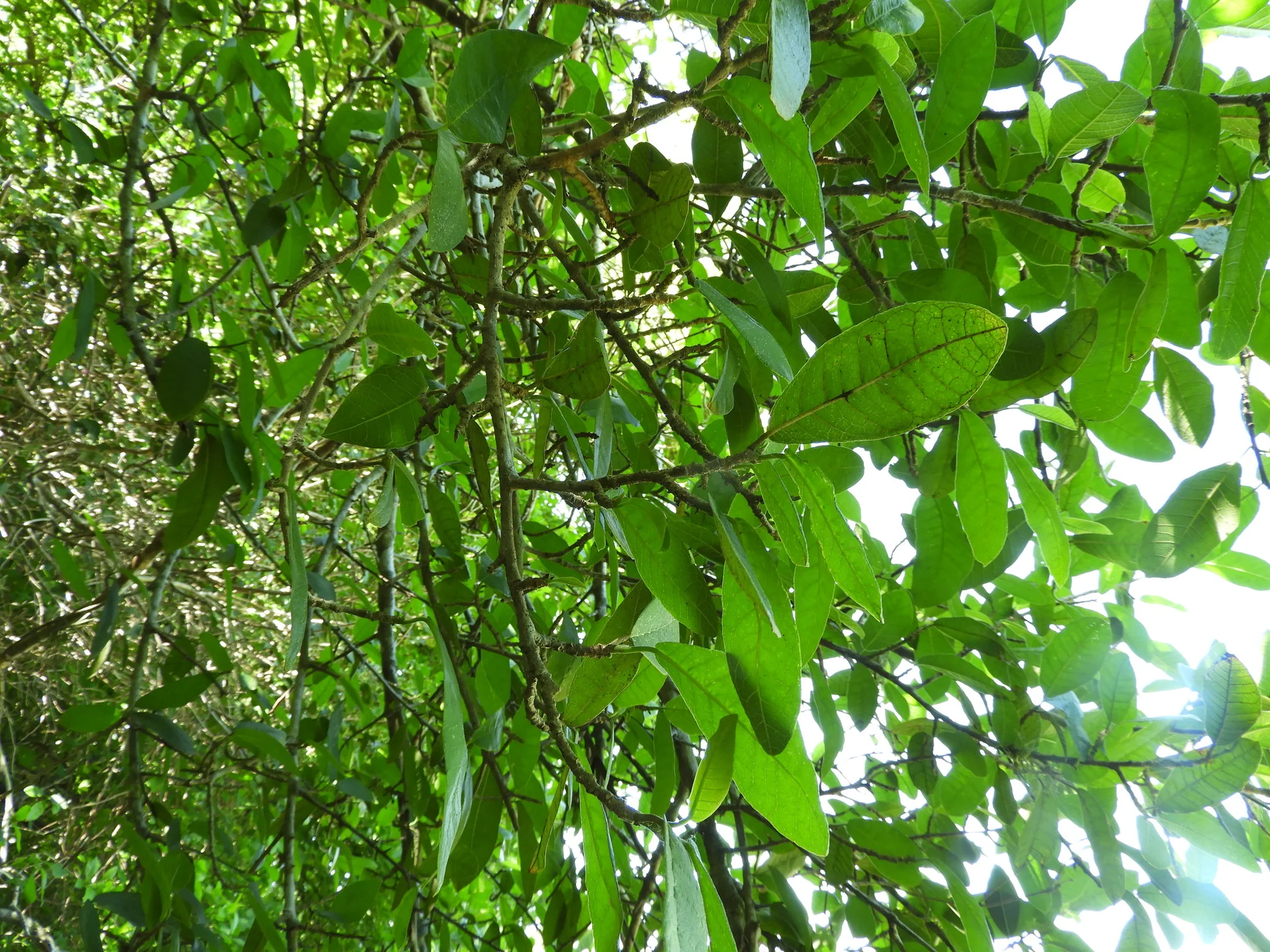
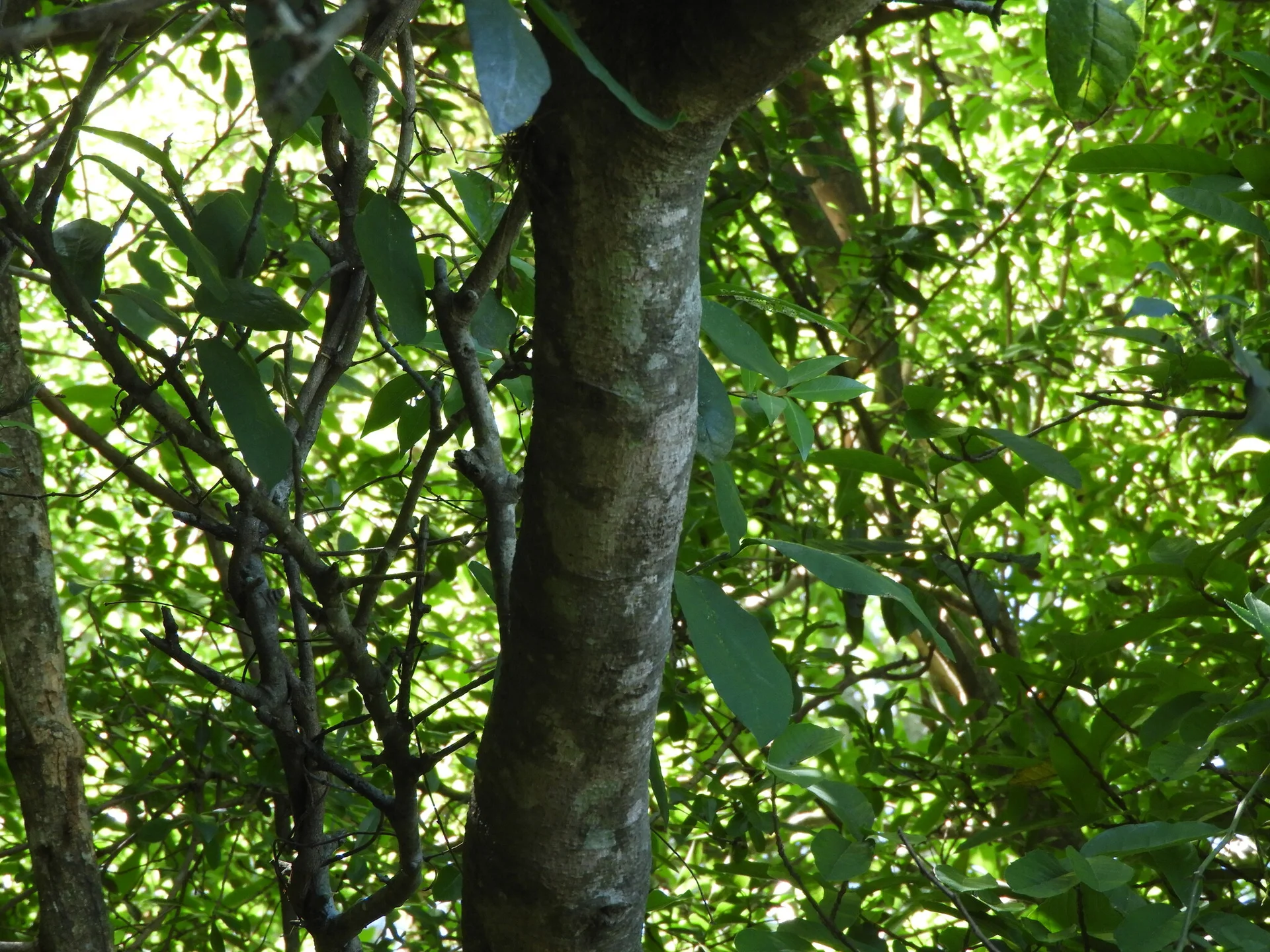
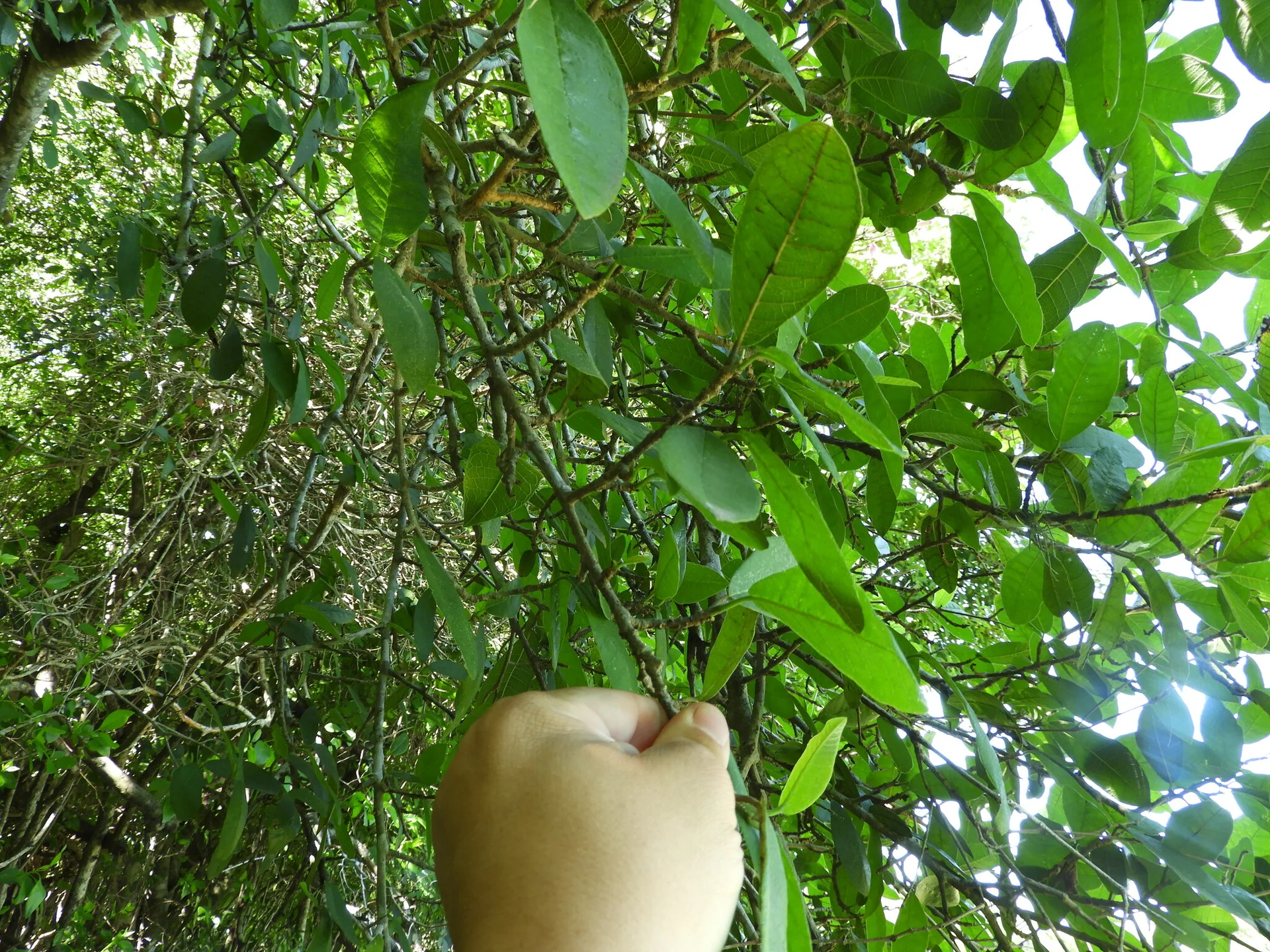
Depending on soil depth and moisture availability, this taxon grows as a densely branched shrub from 1.5 meters tall or as a small tree reaching 6 to 10 meters in height. Its bark is smooth and pale gray, releasing a sparse, milky to watery latex—an emulsion of protective rubbery compounds—when twigs are cut or bruised.
Foliage
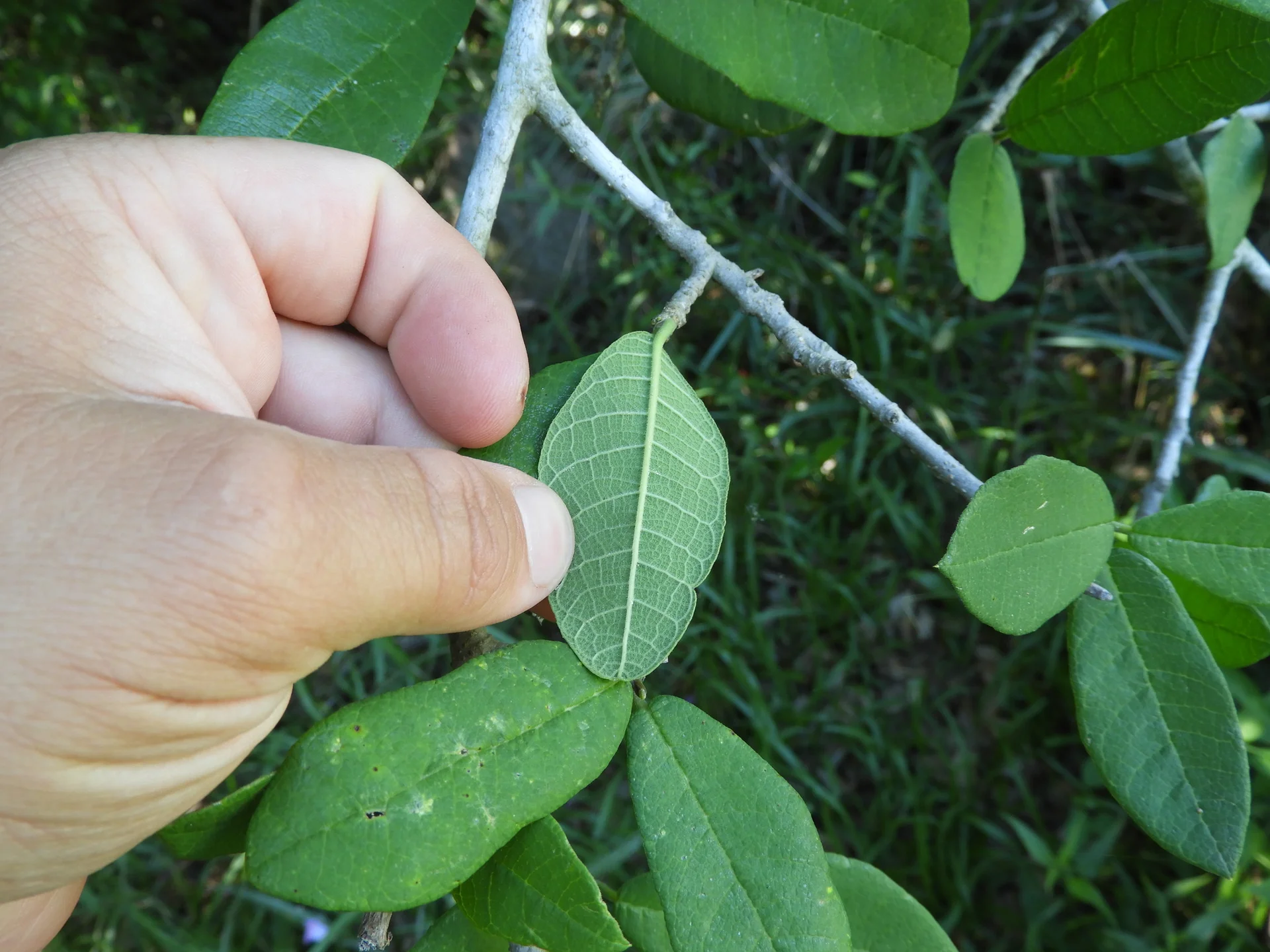
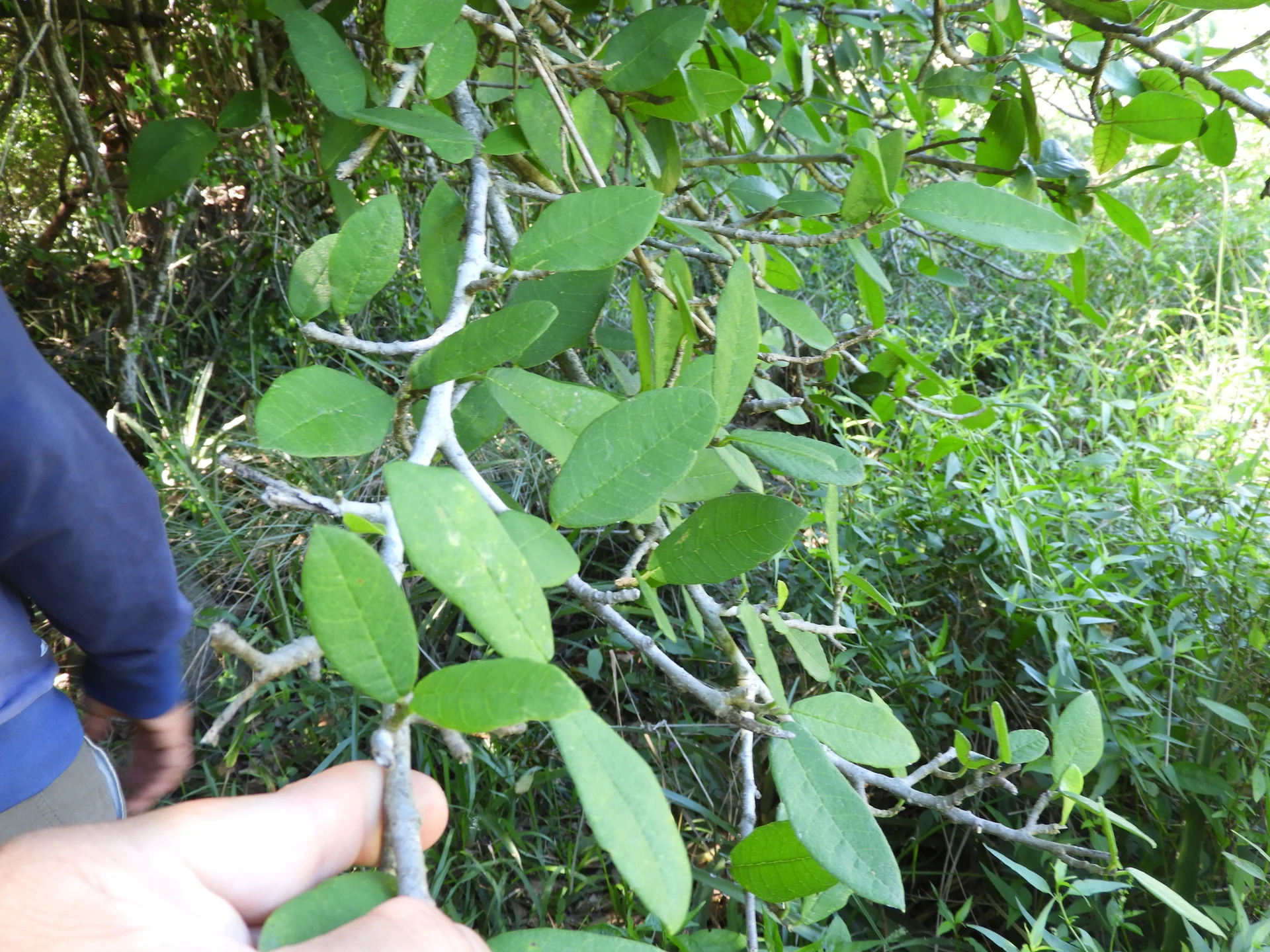
The leaves are arranged alternately in two flattened ranks along the twigs and feature short petioles accompanied by small, early-shedding stipules—paired scale-like appendages that protect emerging leaf buds. Compared to the typical northern subspecies of Sorocea sprucei, the leaf blades of subsp. saxicola are more firmly coriaceous (leathery in texture), elliptic to oblong, measuring 3 to 12 centimeters long with distinctly spinulose-dentate (prickly-toothed) margins and a rough upper surface.
Inflorescences and fruits
Dioecious catkins and racemes: Male and female flowers develop on separate plants in short axillary spikes or racemes, with minute, four-parted perianths that rely on wind and small insects for pollination.
Fleshy fruiting perianth: After pollination, the floral envelope surrounding each female ovary swells into a globose, berry-like structure about 8 to 10 millimeters across that turns dark red to purplish-black at maturity, sitting atop a slightly thickened pedicel.
Flowering season
Southern hemisphere late winter to spring (August to November)
Jan
Feb
Mar
Apr
May
Jun
Jul
Aug
Sep
Oct
Name
Dec
Interesting facts
Anatomical armor for life on sun-baked limestone
While most members of the genus Sorocea inhabit the humid, shaded understories of lowland Amazonian and Andean rainforests, Sorocea sprucei subsp. saxicola occupies the opposite ecological extreme along the rugged margins of the Gran Chaco and Pantanal. Here, plants growing on exposed calcareous ledges face months of seasonal drought, intense solar radiation, and heavy browsing pressure from dry-forest herbivores when surrounding herbaceous vegetation withers.
To survive in this harsh microhabitat, the subspecies combines rigid, holly-like leaf margins with mineralized epidermal cells known as cystoliths—microscopic deposits of calcium carbonate embedded inside specialized cells of the upper leaf surface. Together, these traits function as an integrated mechanical and physiological shield: the stiff, waxy cuticle and compact palisade tissue prevent leaf wilting and cellular collapse during dry spells, while the abrasive silica-and-calcium grit inside the blade and the sharp marginal teeth wear down the mandibles of insects and deter browsing mammals.
Calcium recycling on limestone: By sequestering excess calcium absorbed from alkaline limestone crevices into epidermal cystoliths, the plant turns a potentially toxic mineral surplus into structural leaf reinforcement.
Two-tone visual signaling for birds: When the fruiting perianth matures, it turns glossy black against a contrasting red-tinted stalk and rachis, creating a high-contrast visual target that attracts frugivorous birds to disperse its seeds across isolated rocky hills.