
Cacao Tree
Theobroma cacao
Theobroma cacao, commonly known as the cacao or cocoa tree, is a tropical evergreen species …
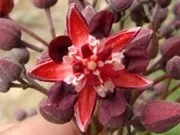
Characterized by the distinctive bluish-grey undertones of its foliage, Theobroma glaucum thrives in the humid evergreen forests of the upper Amazon basin. This medium-sized tree forms part of the rich understory layer in pristine rainforests.
The striking appearance of its leaves makes it easily identifiable among other wild relatives of the cocoa plant. It contributes to the local biodiversity by offering shelter and food to various tropical birds and mammals.
Growing to a height of about 8 meters, the tree features slender branches covered with rusty-brown hairs. The leaves are simple, oblong-elliptic, and covered underneath with a glaucous, waxy layer that gives them a pale, bluish cast.
Its small flowers are borne in clusters on the branches, showing yellow or purple-brown petals. The fruit is an oblong, woody pod up to 10 centimeters long, featuring a hard, brownish-green shell when mature.
Inside the pod, the seeds are surrounded by an abundant, acidic, white pulp that releases a strong, fruity aroma. The seed coat is relatively hard compared to cultivated cacao species.
The tree typically blooms late in the year, with peak flowering observed from September to December.
Local communities harvest the wild pods to extract the acidic pulp, which is used to make juices, jellies, and desserts. The pleasant acidity provides a refreshing flavor in tropical climates.
The seeds are occasionally used to extract fats for local cosmetic applications or folk medicine. Due to its unique leaf color, it holds potential as an ornamental plant in tropical botanical gardens.
The German botanist Hermann Karsten first described the species in 1857. The name glaucum refers to the glaucous, waxy coating on the underside of its leaves.
A notable botanical synonym is Theobroma caleodesme, described by German botanist Ludwig Diels in 1939. Unlike commercial cacao, this species has not been domesticated, remaining entirely wild.
Theobroma cacao
Theobroma cacao, commonly known as the cacao or cocoa tree, is a tropical evergreen species …

Theobroma grandiflorum
A tropical rainforest tree related to cacao, native to the Amazon basin. It is widely …

Theobroma bicolor
Theobroma bicolor, commonly known as the mocambo or jaguar tree, is a wild and cultivated …

Theobroma mammosum
A tall tropical forest tree from Central America known for its unique cylindrical-oblong fruits with …