
Wild Cocoa Butter vs. Theobroma Cacao Seed Butter: Elixir of Botanical Lipids
Discover how wild cocoa butter from Theobroma sylvestre elevates traditional Theobroma cacao seed butter formulations for profound skin barrier repair.
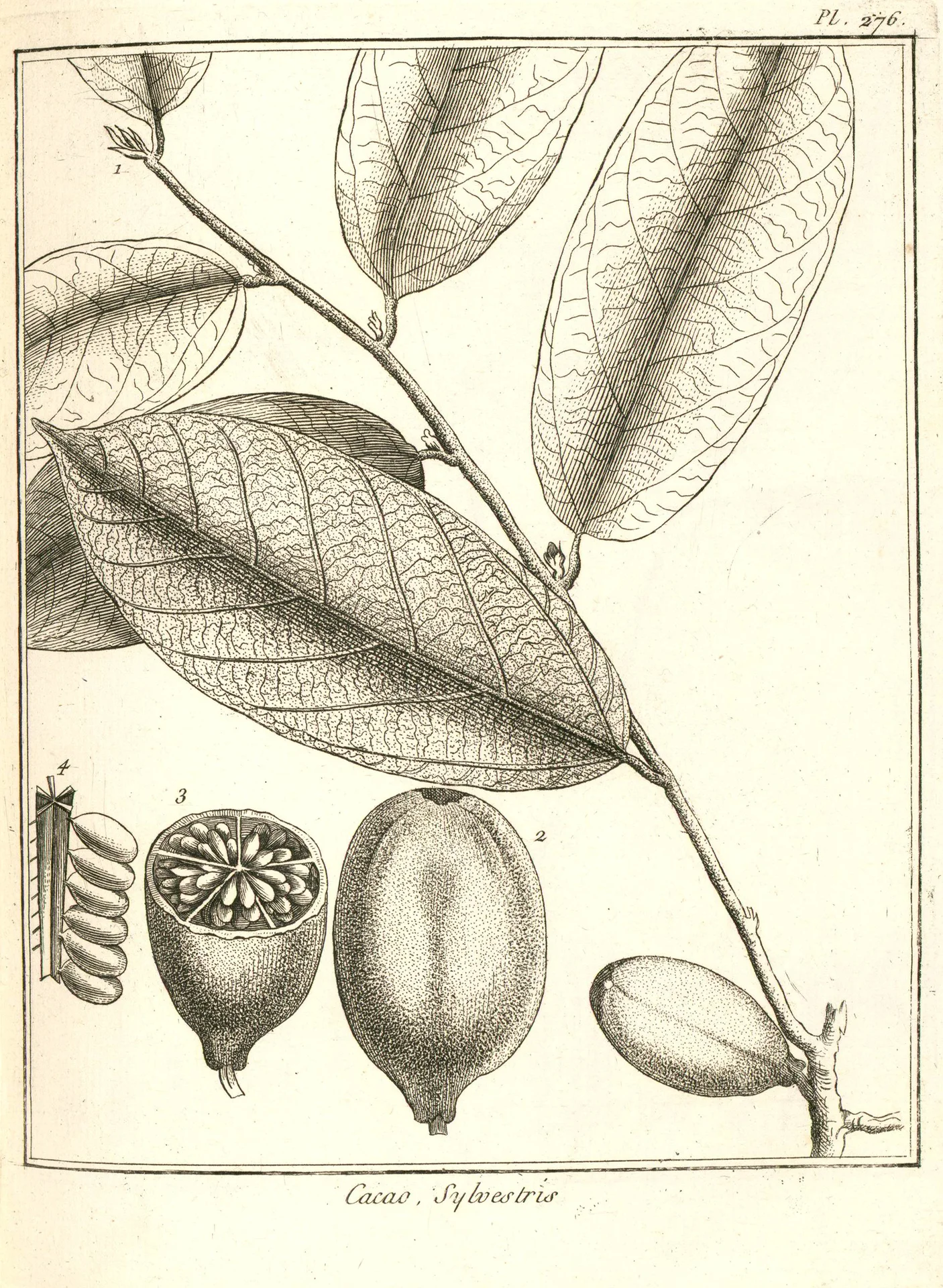
Reaching heights of up to 12 meters, Theobroma sylvestre grows in the understory of the Brazilian Amazon and surrounding regions. This evergreen tree thrives on elevated, relatively dry ground and frequently appears in secondary forest stands. Local communities harvest the plant from the wild for its edible fruits and seeds.
This evergreen tree features large, alternate, simple leaves and a canopy that integrates into the forest understory. The seeds of Theobroma sylvestre possess a very short viability window and require high humidity to remain viable. They exhibit no dormancy, frequently germinating while still enclosed within the fruit pod.
Its fruits consist of woody pods containing seeds surrounded by a sweet, white pulp that lacks a strong aroma.
Local communities utilize both the fruit pulp and seeds of this tree for food and traditional medicine. The primary applications include:
The seeds of Theobroma sylvestre are known to germinate directly inside the pod if they are not harvested quickly. This lack of seed dormancy is a specialized adaptation to the warm, wet floor of the Amazon rainforest. In the cosmetics industry, the emollient butter extracted from its seeds is valued for skin-softening formulations.
Discover how wild cocoa butter from Theobroma sylvestre elevates traditional Theobroma cacao seed butter formulations for profound skin barrier repair.

Theobroma cacao
Theobroma cacao, commonly known as the cacao or cocoa tree, is a tropical evergreen species …

Theobroma grandiflorum
A tropical rainforest tree related to cacao, native to the Amazon basin. It is widely …

Theobroma bicolor
Theobroma bicolor, commonly known as the mocambo or jaguar tree, is a wild and cultivated …

Theobroma mammosum
A tall tropical forest tree from Central America known for its unique cylindrical-oblong fruits with …