
Cacao Tree
Theobroma cacao
Theobroma cacao, commonly known as the cacao or cocoa tree, is a tropical evergreen species …
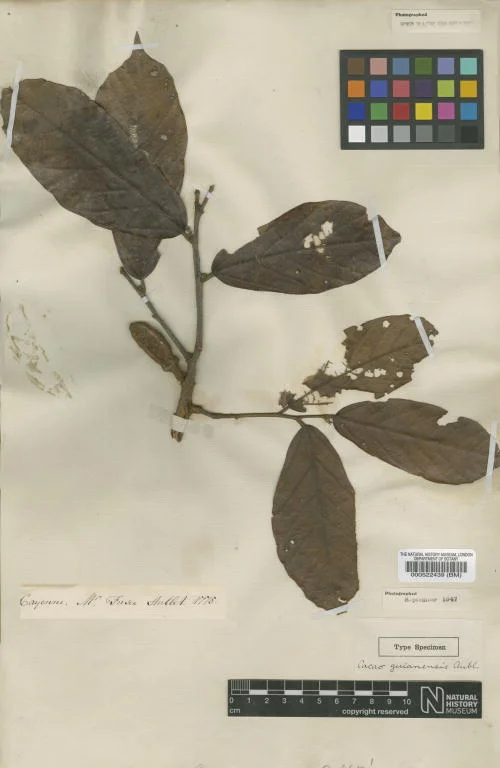
Thriving in the non-flooded upland forests of the Guiana Shield and northern Brazil, this neotropical tree is a close wild relative of the cultivated cacao. Theobroma velutinum stands out in its native habitat due to its striking dark red, lemon-scented flowers and velvety foliage. The species plays a fascinating role in forest ecology, having historical ties to ancient seed dispersal mechanisms.
This small tree grows up to 10 to 14 meters in height, featuring a distinctive grey bark speckled with white patches and cream-colored wood. The large foliage and cauliflorous flowering structure define its primary physical characteristics.
Key morphological features include:
April, September, October, and November
The primary use of this wild tree is food sourcing within its native range. The sweet and flavorful pulp surrounding the seeds in the yellow pods is gathered from wild populations and eaten raw.
Historically, the seeds have also been consumed fresh or prepared similarly to traditional cacao, though it is not cultivated on a commercial scale.
Botanical records suggest that this species was originally dispersed by the now-extinct Pleistocene megafauna, which could swallow the large pods whole. Additionally, it was first described in detail in 1775 by the famous French botanist Fusée-Aublet under the name Cacao guianensis, noting that the pulp was highly appreciated by the local indigenous communities.
Theobroma cacao
Theobroma cacao, commonly known as the cacao or cocoa tree, is a tropical evergreen species …

Theobroma grandiflorum
A tropical rainforest tree related to cacao, native to the Amazon basin. It is widely …

Theobroma bicolor
Theobroma bicolor, commonly known as the mocambo or jaguar tree, is a wild and cultivated …

Theobroma mammosum
A tall tropical forest tree from Central America known for its unique cylindrical-oblong fruits with …