Agathis robusta subsp. robusta (Queensland Kauri): Taxonomy and Ecology
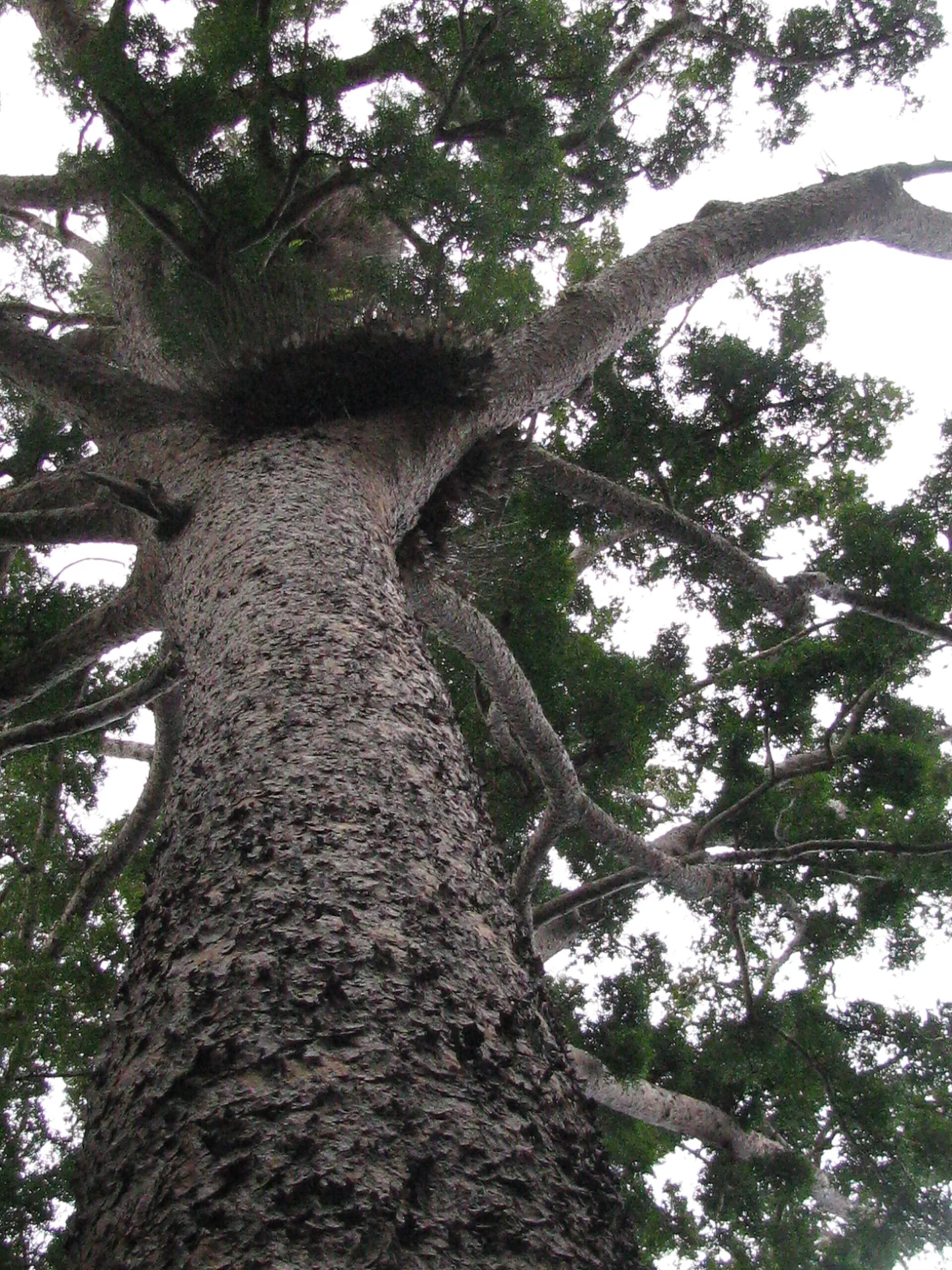
Towering above the dense canopy of Australian tropical rainforests, Agathis robusta subsp. robusta commands attention with its massive, columnar trunk. Commonly known as the Queensland Kauri, this ancient conifer is a prominent feature in the remnant forests of the region. It forms part of a primitive lineage that traces back to the Gondwanan supercontinent.
The species exhibits remarkable growth rates for a conifer, rapidly emerging through the forest sub-canopy to reach the sunlight. Its ecological presence is heavily concentrated in specific climatic pockets that provide the necessary rainfall and well-drained soils. Botanists revere this tree not only for its size but also for its evolutionary significance.
Taxonomy
∟царствоPlantae
∟divisionTracheophytes(Vascular Plants)
∟subdivisionSpermatophytes(Seed plants)
∟superclassGymnospermae(Gymnosperms)
∟divisionPinophyta(Conifers)
∟subclassCupressidae
∟orderAraucariales(Southern pines and monkey-puzzles)
The mature Queensland Kauri boasts a spectacularly straight and cylindrical bole, which can reach immense diameters without tapering significantly. The bark is relatively smooth, shedding in large circular or irregular scales that create a distinctive mottled appearance on the lower trunk. This shedding mechanism helps the tree rid itself of epiphytes and climbing vines.
The foliage comprises broadly lanceolate to ovate leaves, which are surprisingly broad for a coniferous species. These leaves are arranged sub-oppositely and feature fine, parallel veins. The reproductive biology involves large, spherical seed cones that disintegrate upon maturity to release winged seeds into the wind.
Applications
The exceptional quality of its timber made Agathis robusta subsp. robusta a major target for logging operations during early European settlement. The pale, easily workable wood was prized for cabinet making, boat building, and high-end joinery. Today, mature stands are mostly protected within national parks and World Heritage areas.
Interesting facts
Early loggers often had to build extensive tramway systems to extract the massive logs of the Queensland Kauri from the dense rainforest.
The tree produces a high-quality resin that was occasionally harvested for making varnishes and linoleum.
Some individual trees are estimated to be over a thousand years old, serving as living archives of past climatic conditions.