
Tall Tree of Heaven
Ailanthus excelsa
A fast-growing, large deciduous tree native to India and Sri Lanka, highly valued for its …
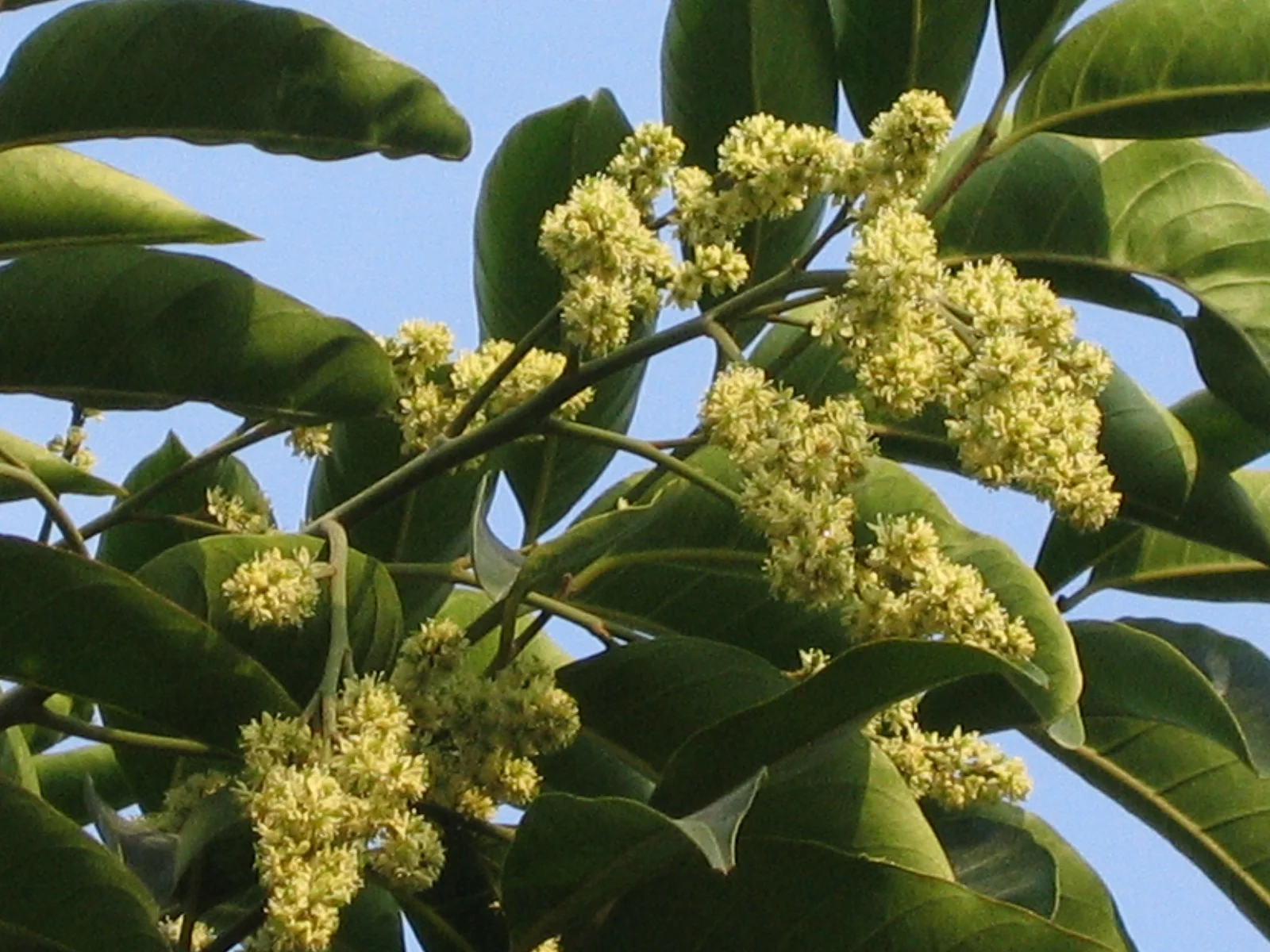
Inhabiting the evergreen broad-leaved forests of Southern China and Hong Kong, this rare tree stands as a symbol of regional botanical conservation. It shows a preference for sunny slopes and valleys at elevations ranging from 300 to 600 meters above sea level.
Due to its restricted native range and habitat fragmentation, it has become a species of high conservation priority. Government initiatives in Hong Kong actively protect wild populations from disturbance.
Ailanthus fordii is a medium-sized evergreen tree that grows up to 10 to 15 meters in height. The bark is smooth and greyish-brown, while the young branchlets are stout and densely lenticellate.
Flowering occurs in the spring, typically from April to May, and fruits mature in late summer, from July to September.
Due to its rare and protected status, the tree is not commercially harvested for timber. It is primarily used in ecological restoration and urban landscaping within its native region, where its evergreen foliage and attractive form make it a desirable ornamental tree for parks.
This species is named after Charles Ford, the first superintendent of the Hong Kong Botanic Gardens, who collected specimens in the late 19th century. In Hong Kong, it is legally protected under the Forestry Regulations (Cap. 96A), making it illegal to damage or uproot wild specimens.
Ailanthus excelsa
A fast-growing, large deciduous tree native to India and Sri Lanka, highly valued for its …

Ailanthus kurzii
A tall tropical evergreen tree native to South and Southeast Asia, known for its winged …

Ailanthus vilmoriniana
A large deciduous tree native to western China, characterized by its deep red, finely pubescent …

Ailanthus triphysa
A tall evergreen rainforest tree native to Asia and Australia, famous for its aromatic halmaddi …