
Syncarpous coral vine
Ercilla syncarpellata
A species of climbing plant in the Phytolaccaceae family, endemic to specific regions of Chile.
Characterized by its distinct spiked inflorescences, Ercilla spicata grows natively in the temperate ecosystems of Chile, particularly in the Maule and Los Lagos regions. This member of the Phytolaccaceae family functions as a vigorous climber in its natural forest habitat. The species utilizes specific structural adaptations to anchor itself and ascend towards the canopy.
First described by Carlo Luigi Giuseppe Bertero and later formally classified by Horace Bénédict Alfred Moquin-Tandon, the taxon holds a recognized position within South American botany. It remains a subject of study regarding liana ecology in temperate rainforests.
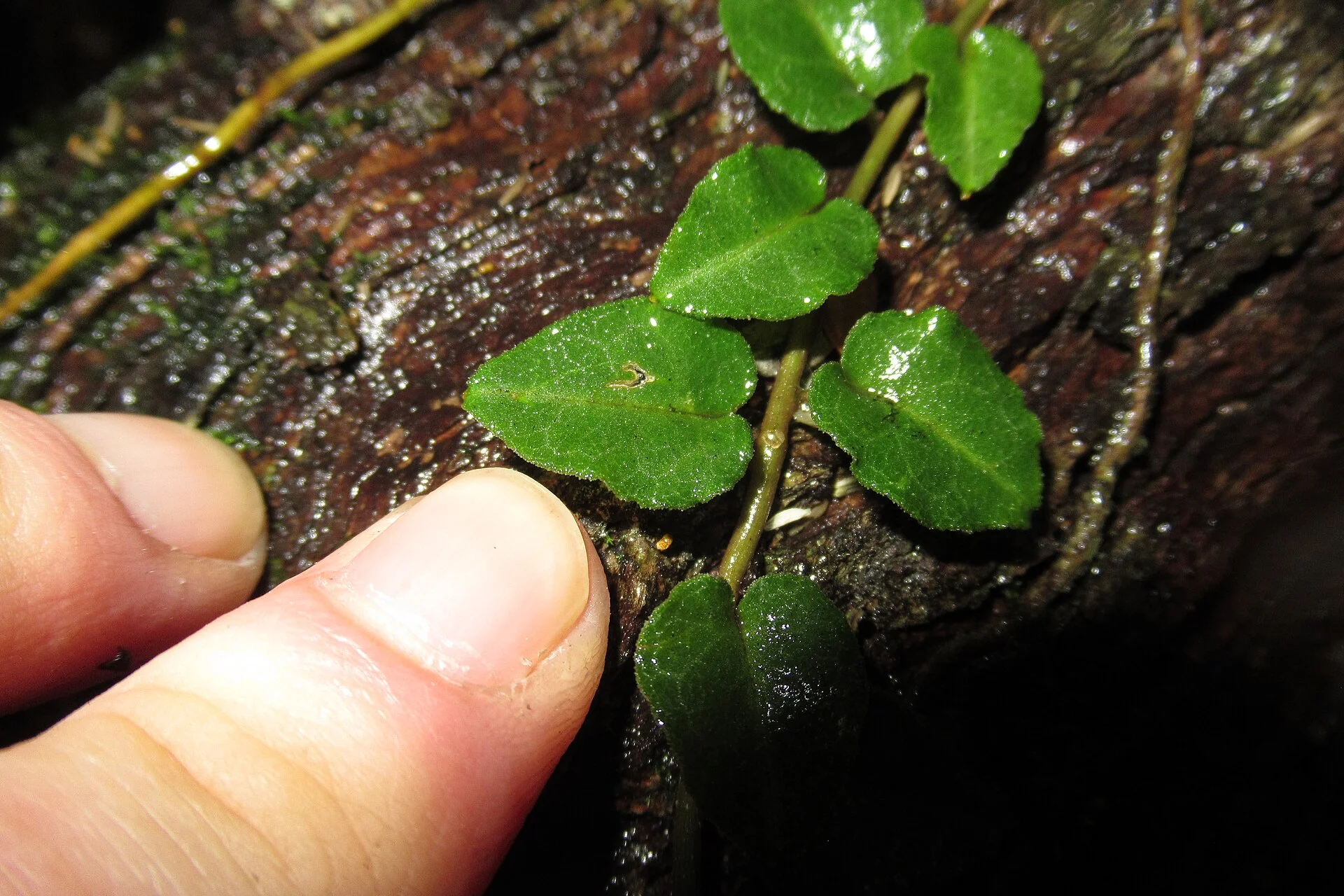
The physical structure of Ercilla spicata demonstrates strong adaptations for a climbing, forest-dwelling existence. The plant develops vigorous woody vines covered with alternate, ovate leaves that maintain a leathery texture throughout the year. The most defining reproductive feature is the elongated spike inflorescence, which distinguishes it visually during the reproductive phase.
Following successful pollination, these inflorescences mature into compound fleshy fruits. The overall architecture of the plant allows it to efficiently capture sunlight in highly competitive canopy environments.
The specific epithet spicata directly refers to the plant's distinctive spike-like inflorescences, distinguishing its floral arrangement from other taxa. Herbarium specimens often highlight these dense flower clusters as a primary diagnostic feature for field identification.
Ercilla syncarpellata
A species of climbing plant in the Phytolaccaceae family, endemic to specific regions of Chile.

Ercilla volubilis
An evergreen climbing shrub native to South American temperate rainforests, known for its distinctive adhesive …

Picrasma
A genus of deciduous trees and shrubs known for their extremely bitter bark and medicinal …

Araucaria humboldtensis
A small, critically endangered coniferous tree native strictly to the high-altitude mountain peaks of southern …