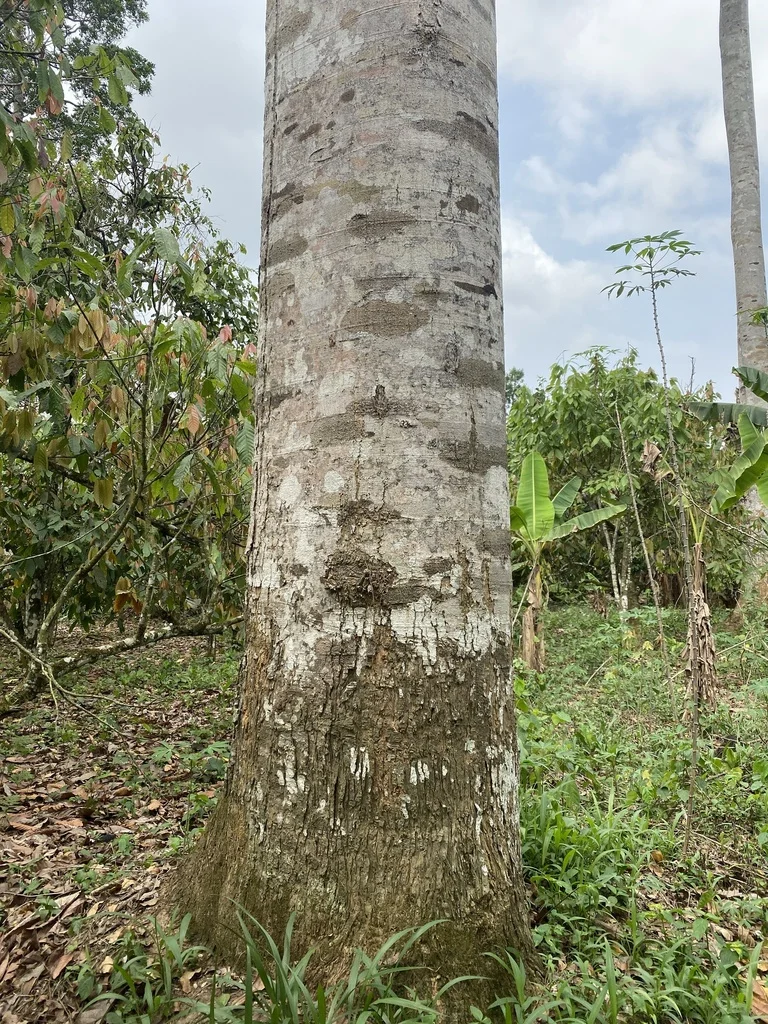
Hannoa: Characteristics, Uses, and Taxonomy of the African Shrub
Distributed widely across the tropical regions of the African continent, Hannoa encompasses a diverse array of trees, shrubs, and low-growing shrublets. These adaptable plants form an important part of the local flora in numerous Central and Western African ecosystems. Beyond their ecological presence, certain members of this taxonomic group have garnered significant attention for their long-standing role in regional traditional healing practices.
Members of the Hannoa genus display imparipinnate leaves composed of oppositely or alternately arranged leaflets. Their reproductive structures consist of either unisexual or bisexual flowers, which gather in axillary or terminal panicles.
These flowers are characterized by six to nine overlapping petals and possess between ten and fourteen stamens. Upon successful pollination, the plants produce distinct seed capsules that eventually split into one to three mericarps.
Applications
Certain species within this genus hold considerable value in the regional pharmacopeia. Specifically, Hannoa klaineana and Hannoa chlorantha have been utilized extensively in the traditional medicine of Central African nations to combat persistent fevers and alleviate severe symptoms associated with malaria.
Interesting facts
The scientific classification of this group has historically been quite complex.
Botanists have frequently debated the taxonomic boundaries of the genus, sometimes merging its species into closely related groups like Quassia or Odyendea.
A highly distinctive morphological feature of their flowers is a thick, fleshy central disk that is prominently ribbed or lobed.