
Red spider lily
Lycoris radiata
Lycoris radiata, commonly known as the red spider lily, is a bulbous perennial famous for …
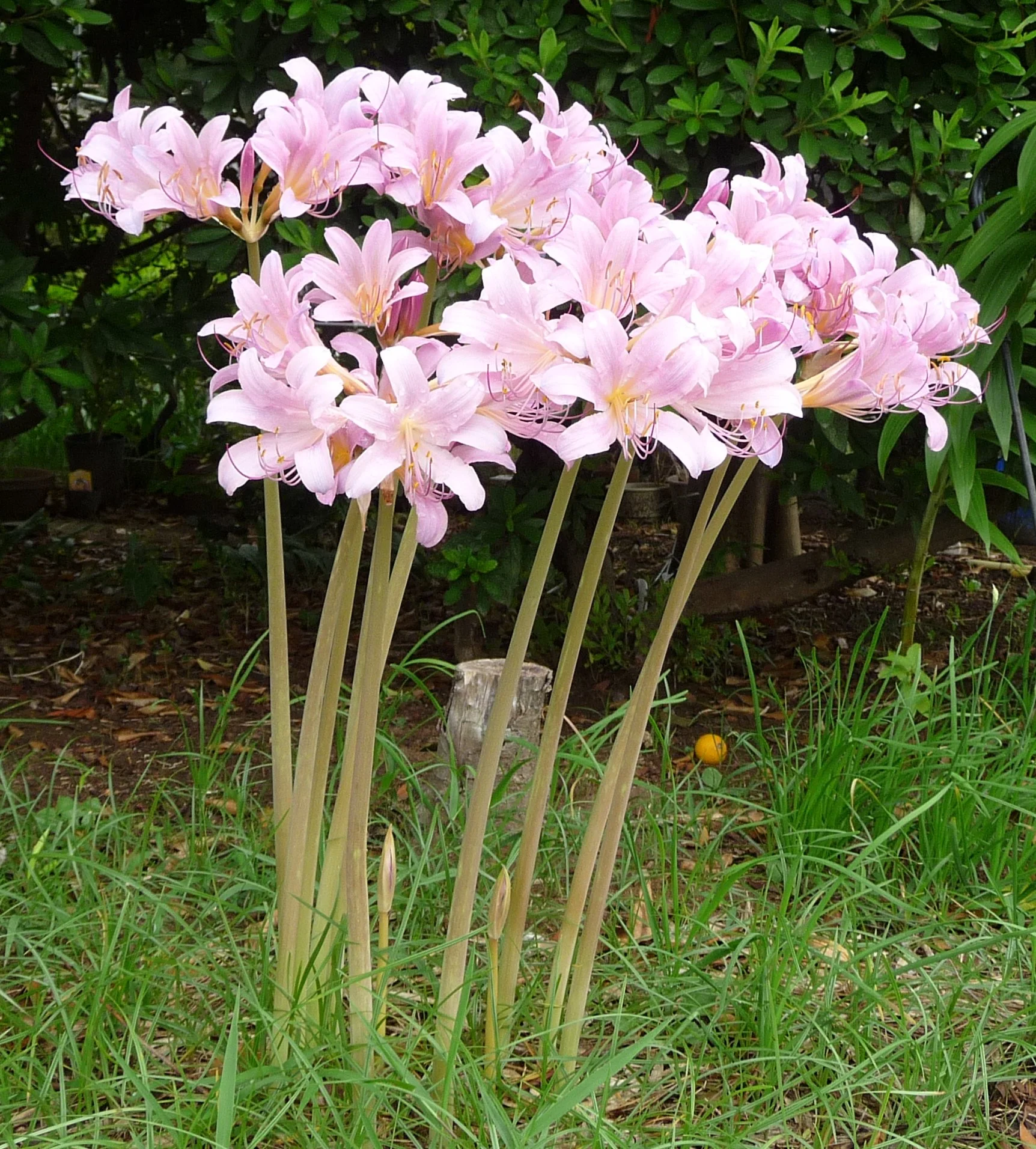
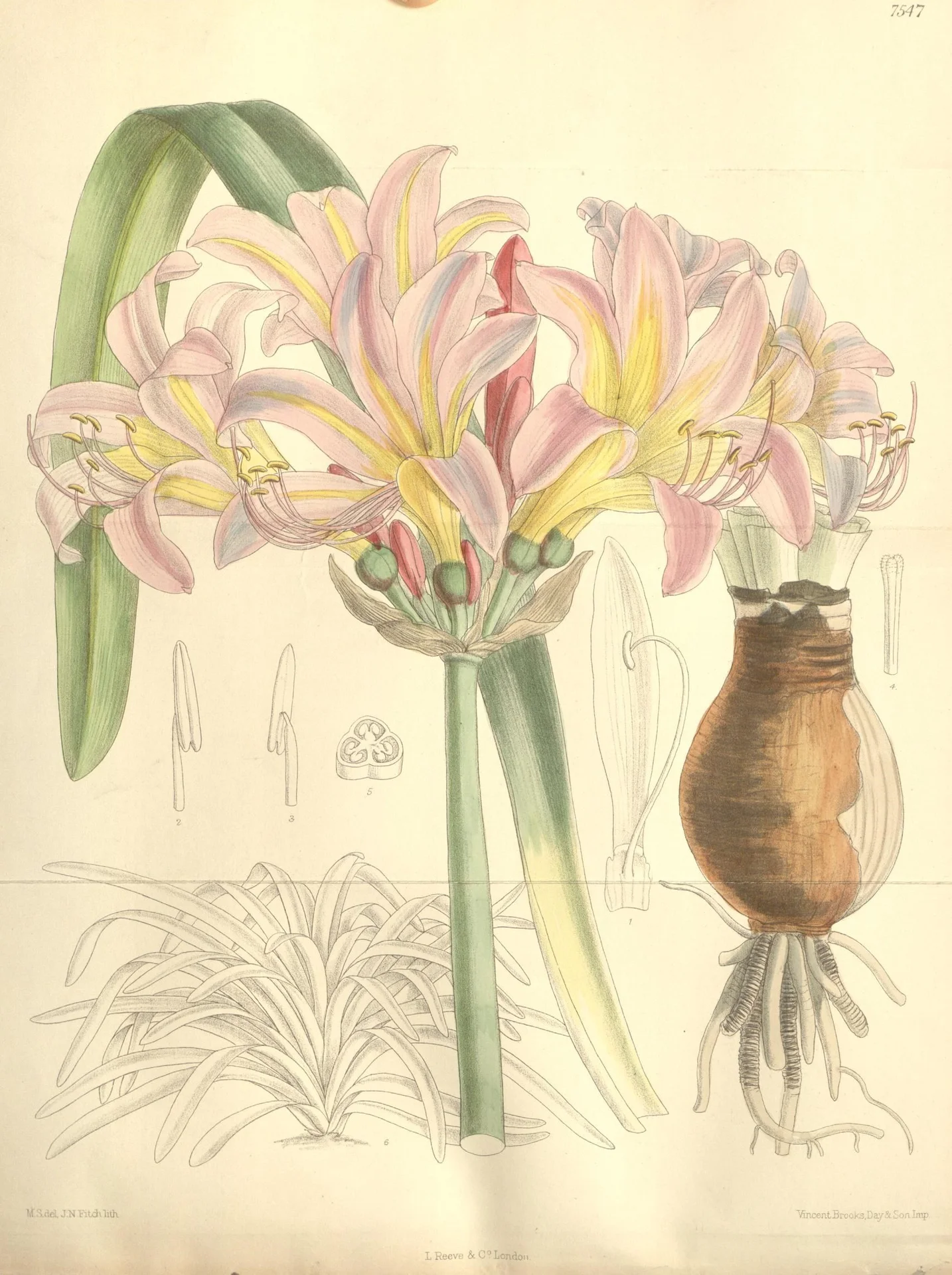
Emerging like a sudden midsummer illusion from the baked, bare earth, these blossoms surprise onlookers with their sudden and dramatic arrival. The fragrant pink trumpets of Lycoris squamigera burst into bloom within mere days, leaving no trace of their spring foliage behind.
This striking habit of flowering without leaves has earned the plant whimsical names such as naked ladies and magic lily. Historically cherished in East Asian landscapes, it continues to captivate gardeners worldwide with its ephemeral beauty.
The physical structure of Lycoris squamigera is characterized by a distinct separation between its vegetative and reproductive growth phases:
Late summer, typically blooming in July and August.
Cultivated primarily as a striking ornamental plant, Lycoris squamigera is highly valued in landscape design for borders, container planting, and as a source of elegant cut flowers. Its ability to thrive in various soil types makes it an excellent choice for low-maintenance ground cover.
From a pharmacological perspective, the species serves as a valuable source of galantamine, an alkaloid extracted from the bulbs and used in modern medicine to treat mild to moderate Alzheimer's disease. In traditional Chinese medicine, the bulbs are sometimes used under strict professional guidance for their anti-inflammatory and diuretic properties, although their inherent toxicity requires extreme caution.
The unique lifecycle of Lycoris squamigera has inspired rich cultural lore and scientific interest across its native range:
Lycoris radiata
Lycoris radiata, commonly known as the red spider lily, is a bulbous perennial famous for …

Lycoris sanguinea
An orange-flowered deciduous perennial native to East Asia, famous for its toxic bulbs and synchronized …

Lycoris caldwellii
A rare sterile triploid perennial from China, prized for its pale yellow late-summer blooms.

Lycoris aurea
A stunning bulbous perennial native to East and Southeast Asia, featuring brilliant golden-yellow flowers.