Lycoris (Spider Lily) – Genus Overview and Legends
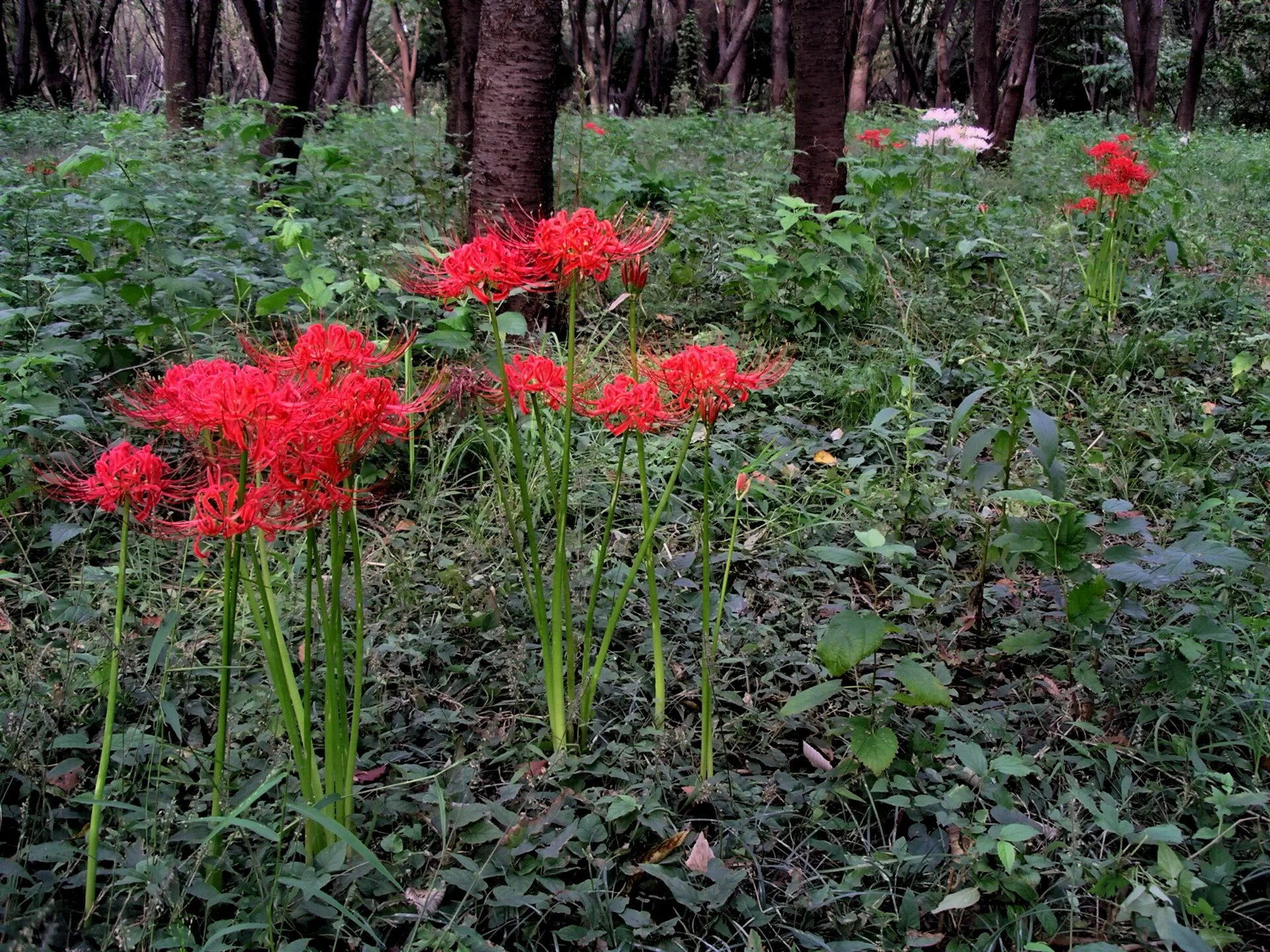
Rising like skeletal crimson lanterns from the damp soils of eastern Asian temple grounds, the striking blossoms of the spider lily signal the sudden arrival of autumn. These unique geophytes burst into vibrant colors when their leaves are completely absent, creating a dramatic display along forest edges and rice paddies. Throughout their native range, they have captured the human imagination, inspiring countless legends and cultural traditions.
The genus Lycoris comprises over twenty species of bulbous perennials famed for their late-season eruption of white, yellow, orange, or red flowers. They thrive across warm-temperate and subtropical regions of Asia, from the valleys of Nepal to the islands of Japan. Their unusual growth cycle, where flowers and foliage never meet, remains one of their most fascinating biological traits.
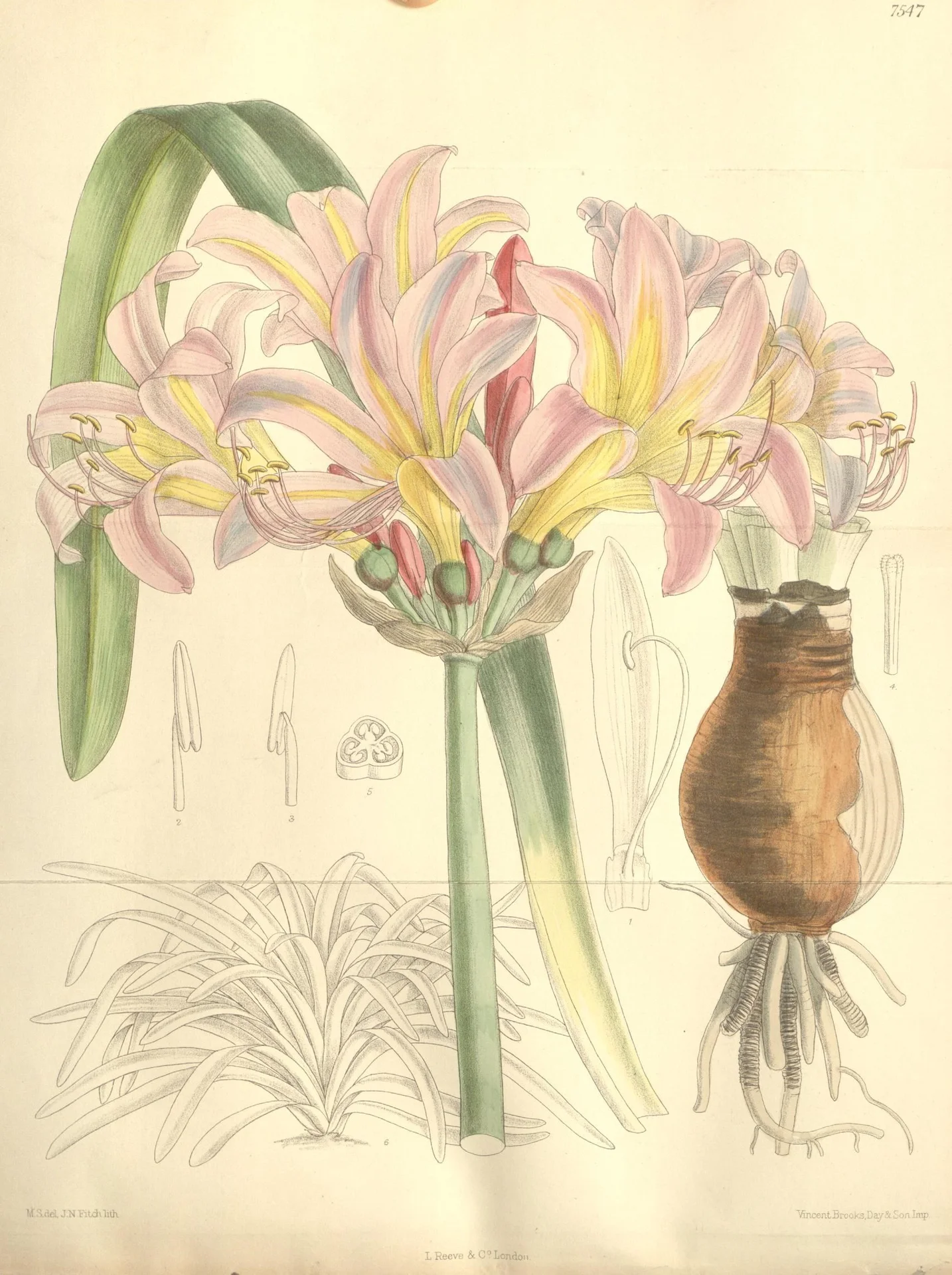
Members of this genus are perennial geophytes that arise from subglobose or ovoid tunicate bulbs wrapped in dark brown to blackish scales. The leaves are characteristically linear, measuring up to 60 centimeters in length and only 0.5 to 2 centimeters in width. Depending on the species, these slender leaves appear either in autumn or spring, but they always wither completely before the flower scapes emerge.
The erect, solid flower scape reaches heights of 30 to 70 centimeters, bearing a terminal umbel of four to eight showy flowers protected by a two-valved spathe. Each flower features six tepals fused at the base into a distinct perigonial tube, which can vary from very short to prominently elongated. The margins of the oblanceolate tepals are frequently undulated or strongly recurved, lending the blossoms their signature spider-like appearance.
Botanists divide the genus into two distinct subgenera based on the length of their reproductive organs. Subgenus Lycoris is characterized by extremely long, filamentous stamens that extend up to three times the length of the tepals, as seen in the red spider lily. In contrast, subgenus Symmanthus features shorter stamens that barely exceed the tepals, resulting in more regular, trumpet-shaped blooms.
Flowering season
Flowering occurs in late summer and early autumn, typically from August to September.
Jan
Feb
Mar
Apr
May
Jun
Jul
Aug
Sep
Oct
Name
Dec
Applications
Due to their exceptional visual appeal, these plants are extensively cultivated as ornamentals in temperate and subtropical gardens worldwide. In Japan, they are traditionally planted along the earthen banks of rice paddies to stabilize the soil and deter burrowing pests. The high concentration of toxic alkaloids in the bulbs acts as a natural deterrent against mice, rats, and insects.
Beyond landscaping, the vibrant flower stalks are popular choices for festival decorations, autumnal celebrations, and cut flower arrangements. In local cultures, their striking appearance adds a dramatic flair to gardens, especially when massed under deciduous trees where they receive filtered sunlight. Their ability to naturalize easily makes them ideal for low-maintenance woodland borders.
Interesting facts
The stark botanical phenomenon where flowers bloom only after the foliage has died gave rise to the evocative Japanese name Higanbana, meaning the flower of the autumn equinox. Because they bloom near cemeteries around this sacred time, Buddhist traditions associate them with guiding departed souls toward reincarnation. This connection to the afterlife has led to their widespread use in funerals and ancestral rites.
A poignant East Asian legend explains this separation through two spirits, Manju and Saka, who guarded the flowers and leaves respectively. Defying the gods to meet, they fell deeply in love, only to be cursed to never look upon each other again. Consequently, the flower is often called Manjusaka, symbolizing the sorrow of tragic lovers destined to remain apart.
In the southeastern United States, these plants have earned the nickname hurricane lilies because their sudden blooming period coincides with the peak of the tropical storm season. Their rapid emergence from dry ground after heavy rains never fails to surprise onlookers, adding to their mystical reputation.